Minnesota Cannabis Packaging Requirements in 2026:
A Complete Guide to Packaging and Labeling Laws
Minnesota’s cannabis industry is entering a new stage of development, bringing new opportunities and regulatory responsibilities for cannabis brands, manufacturers, and retailers.
As the state continues to establish its adult-use cannabis market, understanding Minnesota cannabis packaging requirements is essential for businesses planning to sell cannabis products in the state.
In 2026, several important legislative changes took effect, updating packaging standards, labeling requirements, and product-specific rules.
From child-resistant packaging and tamper-evident features to PFAS restrictions and FDA-compliant food-contact materials, cannabis brands must consider multiple factors when selecting packaging.
This guide explains Minnesota marijuana packaging laws, highlights the latest regulatory updates, and explores how custom paper cannabis packaging can help brands balance product protection, regulatory requirements, and brand presentation

1. Minnesota Cannabis Packaging Laws: Who Regulates Them and Which Products Are Covered?
The Minnesota Office of Cannabis Management (OCM) is the primary state agency responsible for regulating Minnesota’s adult-use cannabis, medical cannabis, and regulated hemp-derived cannabinoid markets.
Cannabis packaging and labeling requirements are primarily established under:
- Minnesota Statutes, Section 342.62 – Packaging.
- Minnesota Statutes, Section 342.63 – Labeling.
- Minnesota Rules, Parts 9810.1400–9810.1403 – Packaging and labeling requirements.
These regulations apply to several categories of regulated products, including:
- Cannabis Flower and Pre-Rolls: Dried cannabis flower, pre-rolls, and other products consisting of cannabis plant material.
- Cannabis Products: Edibles, concentrates, vape products, beverages, and other manufactured cannabinoid products.
- Lower-Potency Hemp Edibles (LPHE): Hemp-derived gummies, beverages, tinctures, and other edible products that meet Minnesota’s legal definition of lower-potency hemp edibles.
- Hemp-Derived Consumer Products: Certain regulated products made with hemp-derived cannabinoids or hemp plant parts.
Although these products fall under Minnesota’s regulatory framework, their specific packaging and labeling requirements are not identical.
Businesses should identify the exact product category before selecting packaging materials, closures, and labeling layouts.
For the latest regulatory information, refer to the Minnesota Office of Cannabis Management’s official packaging and labeling resources.
2. What Changed Under Minnesota’s Cannabis Packaging Laws in 2026?
One of the most important developments for Minnesota cannabis businesses was the cannabis omnibus legislation signed into law on May 26, 2026.
Several changes became effective August 1, 2026, under Laws of Minnesota 2026, Chapter 123.
Here are the major updates that cannabis brands should understand.
Removal of the Plain Packaging Requirement
Previously, Minnesota required cannabis packaging to meet plain packaging standards in addition to other safety requirements.
Effective August 1, 2026, the general plain packaging requirement was removed.
This gives cannabis brands greater flexibility to develop custom-branded packaging, including printed paperboard boxes, premium rigid boxes, and other customized packaging formats.
However, removing the plain packaging requirement does not mean that all packaging designs are permitted.
Minnesota still prohibits packaging that resembles non-cannabis commercial products or is designed to appeal to individuals under 21.
Updated Prepackaging Requirements
Minnesota now requires cannabis products, lower-potency hemp edibles, and hemp-derived consumer products to be prepackaged in compliant packaging before being sold to customers.
Cannabis flower must also be prepackaged unless the retailer holds the appropriate cannabis flower packaging endorsement for deli-style sales.
For brands and packaging suppliers, these changes make packaging selection and production planning particularly important.
Revised Cannabis Labeling Requirements
The 2026 legislation also changed certain product labeling requirements.
For example:
- Adult-use cannabis products are no longer required to display cultivator information because this information is tracked through the state’s seed-to-sale system.
- Lower-potency hemp edible labels may provide specified cultivator and manufacturer information through an accurate and active scannable barcode.
- LPHE products containing only approved nonintoxicating cannabinoids and no THC are exempt from the universal THC symbol requirement.
- Hemp-derived topical products containing THC must be labeled accordingly.
Another upcoming change concerns ratio hemp-infused cannabis products.
Beginning January 1, 2027, these products must include the statement: “This product contains nonintoxicating cannabinoids derived from hemp.”
Cannabis brands should review the latest OCM guidance before finalizing packaging artwork or ordering printed boxes.
3. Minnesota Cannabis Packaging Requirements at a Glance
The following table summarizes several important Minnesota cannabis packaging requirements effective in 2026.
| Requirement | What Cannabis Brands Need to Know |
|---|---|
| Prepackaging | Required for specified regulated product categories |
| Child-resistant packaging | Required for cannabis products, LPHEs, and hemp-derived consumer products, subject to exceptions |
| Tamper-evident packaging | Required for the product categories covered by the statutory packaging rule |
| Opaque packaging | Required for the product categories covered by the statutory packaging rule |
| Serving-size identification | Required for multi-serving products |
| Resealable packaging | Required for multi-serving edible cannabis products and LPHEs |
| PFAS-free packaging | No PFAS in or coating regulated packaging |
| Food-contact materials | Edible cannabis products and LPHEs must use FDA-approved food-packaging materials |
| Packaging design | Must not resemble prohibited non-cannabis products or appeal to individuals under 21 |
Important distinction: Minnesota Statutes Section 342.62 treats cannabis flower separately from other cannabis products when describing prepackaging and child-resistant requirements.
Flower must be prepackaged unless the appropriate endorsement applies.
Businesses should verify the applicable requirements for their specific flower packaging with OCM rather than automatically applying the rules for other product categories.
4. Child-Resistant, Tamper-Evident, and Opaque Cannabis Packaging Requirements
Child-resistant packaging is an important part of Minnesota cannabis packaging compliance.
Under Minnesota Statutes Section 342.62, cannabis products, lower-potency hemp edibles, and hemp-derived consumer products generally must be prepackaged in containers that are child-resistant, tamper-evident, and opaque.
Child-Resistant Cannabis Packaging Requirements
Child-resistant packaging is designed to make it difficult for young children to open a product while remaining accessible to adults.
For cannabis brands, potential packaging solutions include:
- Child-resistant paperboard boxes.
- Push-button locking boxes.
- Slide-out boxes with locking mechanisms.
- Child-resistant paper tubes.
- Compliant inner containers combined with custom outer cartons.
However, an ordinary paper box with a locking tab should not automatically be considered child-resistant.
The complete packaging system must meet the applicable child-resistance requirements and be supported by appropriate testing documentation.
For brands exploring paper-based solutions, custom child-resistant paper packaging can provide an opportunity to combine product security with customized branding.

A custom pink cannabis vape box featuring an embossed logo and a convenient slide-out feature for easy product access.
Tamper-evident packaging helps consumers identify whether a package has been opened or altered before purchase.
Depending on the packaging system, this may involve:
- Tamper-evident adhesive seals.
- Breakable tabs.
- Security seals.
- Tear-away opening features.
- Other visible indicators of unauthorized access.
The selected feature should be evaluated as part of the complete packaging system rather than treated as an independent decorative element.
Opaque Cannabis Packaging: Protecting Product Visibility
Opaque packaging prevents the contents from being visible through the packaging.
Paperboard boxes are naturally opaque and can provide an effective exterior packaging format for products that require this feature.
Brands should pay particular attention to transparent windows, cutouts, and other display features.
If the applicable product category requires opaque packaging, these design elements must not undermine that requirement.
Exceptions for Lower-Potency Hemp Edible Beverages
Minnesota provides an exception to the child-resistant packaging requirement for lower-potency hemp edibles intended to be consumed as beverages.
However, this exception does not automatically remove the other applicable packaging requirements, including tamper evidence and opacity.
Multi-serving LPHE beverages placed in resealable child-resistant containers are subject to additional requirements, discussed in the next section.
5. Multi-Serving Cannabis Edible Packaging and Serving-Size Requirements
Multi-serving cannabis edible packaging requires special attention because consumers must be able to identify individual serving sizes.
Under Minnesota Statutes Section 342.62, when a cannabis product, LPHE, or hemp-derived consumer product contains multiple servings, each serving must be indicated through scoring, wrapping, or another suitable indicator.
For edible cannabinoid products intended to be mixed with food or beverages before consumption, acceptable serving-size identification methods include:
- Individual serving packaging.
- Scoring or another indicator on the product.
- A calibrated dropper, measuring spoon, or similar measuring device.
Resealable Packaging Requirements
Edible cannabis products and lower-potency hemp edibles containing more than one serving must be packaged in resealable packaging or containers.
This requirement is particularly relevant to brands selling:
- THC gummies.
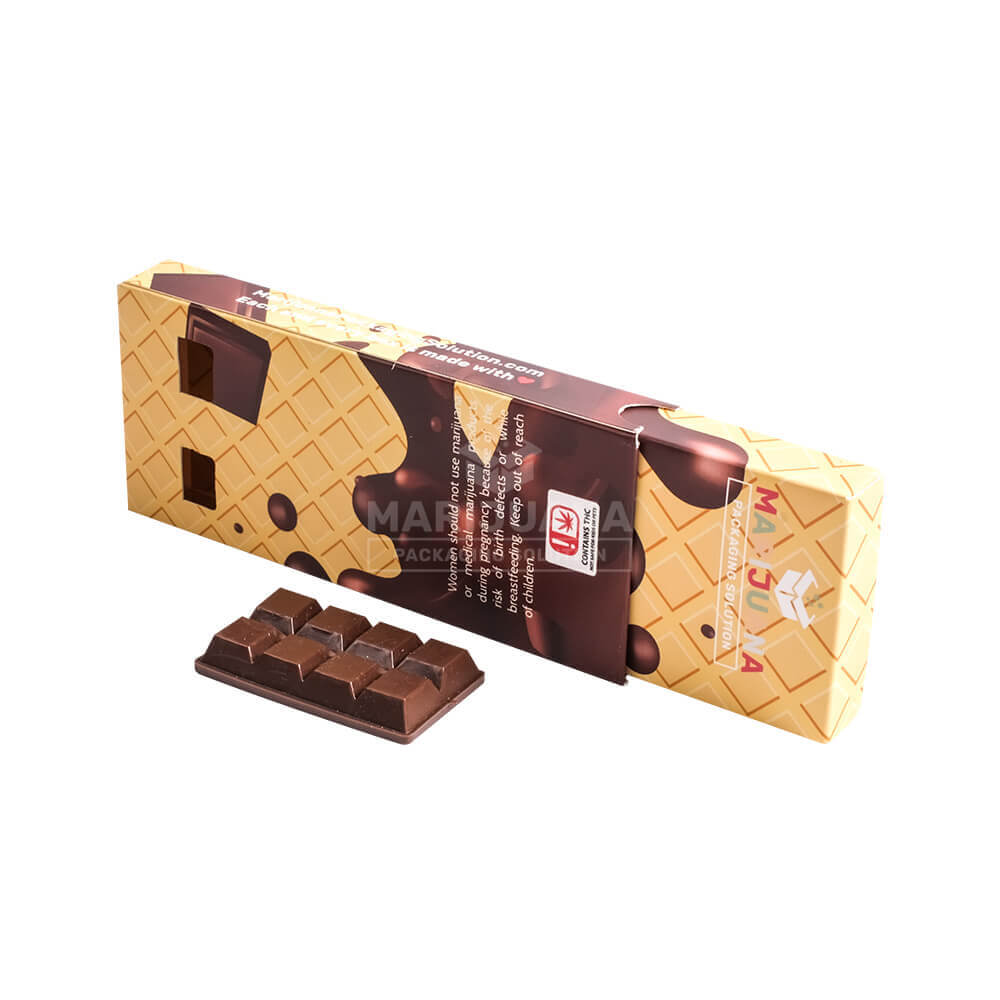
- Cannabis chocolates.
- Multi-serving edible products.
- Hemp-derived edible products.
- Cannabis-infused food products.
A custom paperboard box can serve as an exterior branded package, while the inner packaging provides the necessary product containment and resealability.
Special Rules for Multi-Serving Hemp Beverages
Minnesota also establishes specific requirements for multi-serving LPHE beverages.
A qualifying multi-serving beverage container must:
- Have a minimum volume of 750 ml.
- Contain no more than 17 servings.
- Contain no more than 5 mg of Delta-9 THC per serving.
- Meet the applicable cannabinoid limits.
- Use a resealable, child-resistant container.
These requirements should be considered when designing beverage packaging, multipacks, and secondary paperboard cartons.
For brands selling cannabis-infused food products, custom cannabis edible packaging boxes can provide an additional branding layer while accommodating product-specific packaging configurations.
6. Minnesota Cannabis Packaging Design Restrictions
Although Minnesota removed its general plain packaging requirement in 2026, cannabis packaging designs must still comply with restrictions intended to prevent confusion with ordinary commercial products and reduce their appeal to individuals under 21.
No Resemblance to Non-Cannabis Commercial Products
Cannabis packaging must not reasonably resemble commercially available products that do not contain cannabinoids.
This restriction applies even if the original commercial product does not have a registered trademark or registered trade dress.
For example, cannabis brands should avoid packaging that closely imitates conventional candy, snack, or beverage products.
No Packaging Designed to Appeal to Individuals Under 21
Minnesota specifically identifies several types of prohibited design elements, including:
- Images depicting toys or robots.
- Fruit or vegetable images, except when accurately describing ingredients or flavors contained in the product.
- Images resembling characters or phrases commonly used to advertise to children.
- Brand names or close imitations of candy, cereal, sweets, chips, or other food products typically marketed to children.
This does not mean cannabis brands must abandon creative packaging or use plain designs.
Brands can still develop distinctive visual identities through custom typography, sophisticated color combinations, premium paper stocks, embossing, debossing, foil stamping, and other finishing techniques, provided the final design complies with applicable restrictions.
For paper packaging manufacturers, the challenge is to help brands achieve strong shelf presentation without creating prohibited similarities or youth-oriented designs.
7. PFAS-Free Cannabis Packaging and Material Safety Requirements
PFAS-free cannabis packaging is another important requirement under Minnesota marijuana packaging laws.
PFAS stands for per- and polyfluoroalkyl substances, a large group of synthetic chemicals that have been used in various industrial and consumer applications.
Under Minnesota Statutes Section 342.62, packaging for cannabis flower, cannabis products, lower-potency hemp edibles, and hemp-derived consumer products must not contain or be coated with PFAS.
For paper packaging manufacturers, this requirement makes material selection particularly important.
Choosing PFAS-Free Paperboard, Coatings, and Adhesives
When sourcing paper packaging materials, brands should pay attention to more than just the base paper.
Important components to review include:
- Paperboard and specialty paper stocks.
- Water-resistant and grease-resistant coatings.
- Lamination films.
- Adhesives and bonding materials.
- Printing inks and other surface treatments.
- Functional barrier materials.
Some specialty coatings are designed to provide grease resistance, moisture resistance, or other protective properties.
Their chemical composition should be reviewed to ensure they meet applicable requirements.
How to Verify PFAS-Free Packaging Materials
Brands should request appropriate documentation from their packaging suppliers, such as:
- Material composition declarations.
- Supplier statements regarding intentionally added PFAS.
- Relevant third-party testing reports, where appropriate.
- Documentation covering coatings, adhesives, and other packaging components.
It is important to remember that paperboard is not automatically PFAS-free simply because it is made from paper.
For businesses considering sustainable cannabis packaging, choosing suitable paper-based materials can help support a more environmentally conscious packaging strategy while maintaining the required product protection and functionality.
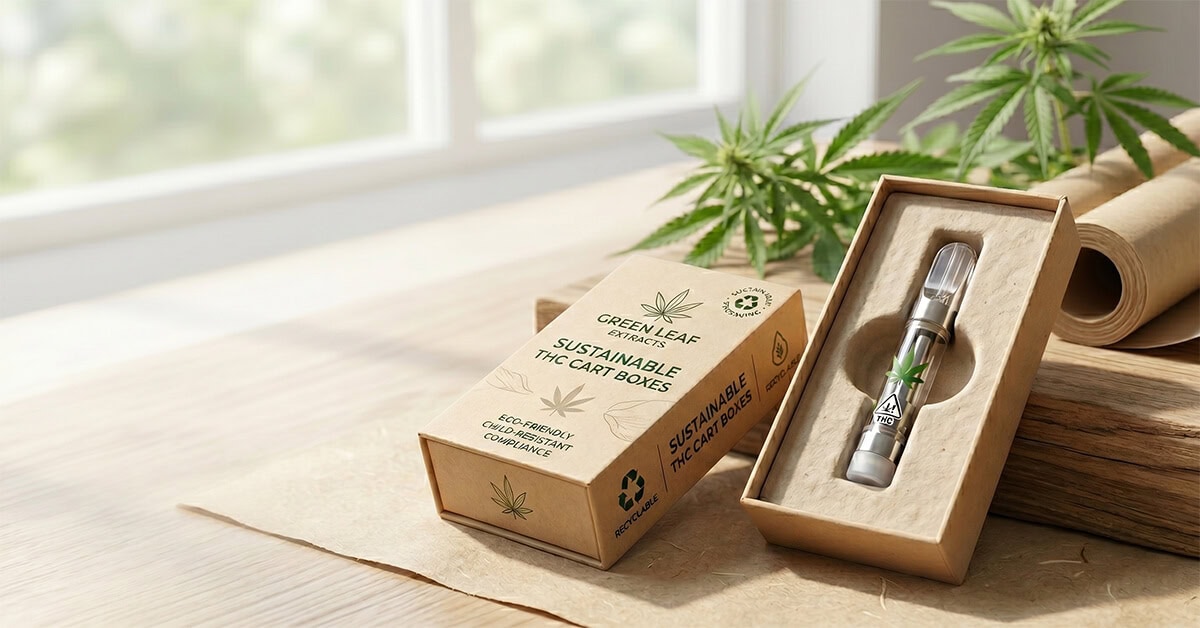
Image generated with Google Gemini
8. FDA Food-Contact Requirements for Cannabis Edible Packaging
Minnesota requires edible cannabis products and lower-potency hemp edibles to be packaged in materials approved by the United States Food and Drug Administration (FDA) for use in food packaging.
This requirement is particularly relevant to manufacturers of THC gummies, cannabis chocolates, infused snacks, and other edible products.
FDA Requirements for Cannabis Edible Packaging Materials
FDA food-contact regulations address substances used in materials that may come into contact with food.
Depending on the intended use, relevant federal regulations may include:
- 21 CFR Part 175 – Adhesives and Components of Coatings.
- 21 CFR Part 176 – Paper and Paperboard Components.
- 21 CFR Part 177 – Polymers.
- 21 CFR Part 178 – Adjuvants, Production Aids, and Sanitizers.
The FDA evaluates food-contact material compliance based on individual substances, their intended applications, and applicable conditions of use.
This is why brands should not rely on a generic claim that an entire packaging box is FDA-certified.
Instead, they should request appropriate documentation confirming that the materials used in the intended food-packaging application meet applicable FDA requirements.

Food-Contact Paperboard, Coatings, and Adhesives
For cannabis edible packaging, brands may use a combination of:
- Food-contact-compliant inner packaging.
- Paperboard exterior cartons.
- Custom printed folding boxes.
- Protective paper inserts.
- Suitable coatings and adhesives.
For example, a sealed inner pouch may contain the edible product, while a custom printed paperboard box provides exterior protection and branding.
The material compliance of the complete packaging configuration should be reviewed according to its intended use.
Brands should confirm with their regulatory advisers whether the specific outer carton, inner packaging, and other components fall within the applicable requirements.
For additional guidance, refer to the FDA’s Food Contact Material Regulatory Guidance.
9. Minnesota Cannabis Labeling Requirements: What Must Be on the Package?
Packaging and labeling serve different purposes.
Packaging protects and contains the product, while labeling communicates essential product information, cannabinoid content, usage instructions, and required safety warnings.
Minnesota cannabis labeling requirements vary depending on the product category.
General Cannabis Labeling and Placement Requirements
One important concept under Minnesota Rules Part 9810.1400 is the marketing layer.
The marketing layer refers to the outermost, predominantly visible layer of a retail packaging container, such as an exterior paperboard box or retail bag.
Required information must be clearly visible and must not be obscured by other packaging elements.
For brands using custom paper boxes, this means that the packaging artwork should reserve sufficient space for regulatory information before the design is finalized.
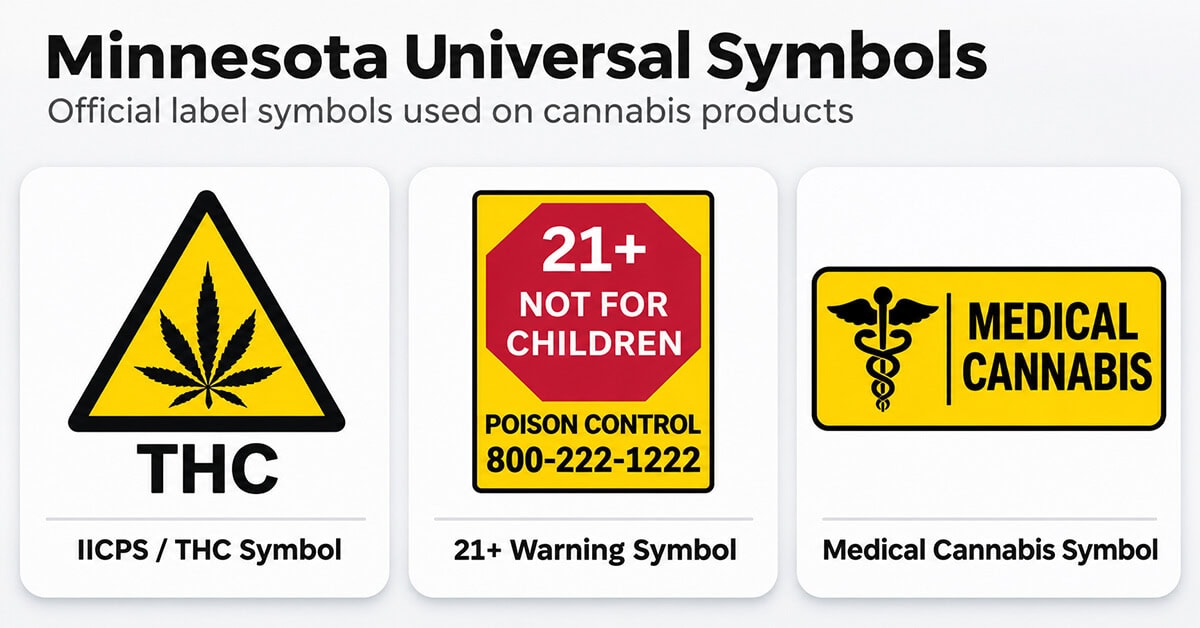
Required THC Symbols and Warning Labels
Minnesota requires specific universal symbols and warning information on applicable cannabis product labels.
Two important symbols are:
1. International Intoxicating Cannabinoid Product Symbol (IICPS)
This symbol identifies products containing intoxicating cannabinoids.
Key design requirements include:
- The ASTM D8441 symbol with the letters THC underneath.
- A minimum size of 0.5 × 0.5 inches.
- Warning Signal Yellow (Pantone 109 C).
- A black border, with additional yellow bordering when displayed on a dark background.
2. 21+ Warning Symbol
The 21+ warning symbol includes:
- 21+ NOT FOR CHILDREN.
- POISON CONTROL 800-222-1222.
- A red octagonal warning element.
- A yellow background and black border.
The minimum symbol size is 0.75 inches tall by 0.6 inches wide.
The required warning statement must also appear on the marketing layer in a font size of at least 6 points:
“Keep this product out of reach of children. This product may be unlawful outside the state of Minnesota.”
Some non-THC LPHE products and certain hemp-derived topical products have specific symbol exemptions.
Product-Specific Labeling Requirements
Different product categories require different information.
Cannabis Flower and Pre-Rolls
Labels generally include:
- Cultivator name and license number.
- Net weight.
- Batch number.
- Cannabinoid profile.
- Universal cannabis symbol.
- Testing verification.
- Product type and usage directions.
- Required warning symbol and statements.
Additional requirements include strain or cultivar information and a use-by date.
Cannabis Edibles and Other Cannabinoid Products
Labels generally include:
- Manufacturer information.
- Net weight.
- Product type and usage directions.
- Batch number.
- Serving size.
- Cannabinoid profile per serving and in total.
- Ingredient list.
- Universal cannabis symbol.
- Required warning symbol.
- Testing verification.
Additional rules address expiration dates, major allergens, and other product-specific information.
Vape Cartridges and Concentrates
Concentrate product labels have additional requirements, including:
- Product manufacturer’s name.
- Manufacturing date.
- Concentrate quantity per serving and per package.
- Extraction method.
- Ingredient list.
- Major allergens.
- Expiration date.
- The warning statement “Do Not Eat.”
For brands selling vape cartridges, custom vape cartridge packaging boxes can provide a branded exterior while accommodating the required product information.
Lower-Potency Hemp Edibles (LPHE)
LPHE labels generally require:
- Cultivator information.
- Manufacturer information.
- Net weight.
- Batch number.
- Serving size.
- Cannabinoid profile.
- Ingredient list.
- Required symbols and warning information.
- Testing verification.
- Directions for use.
Under the updated 2026 rules, specified cultivator and manufacturer source information may be provided through an accurate and active scannable barcode.
QR Codes and the 2026 Cannabis Labeling Updates
The 2026 legislation introduced additional flexibility for certain LPHE labeling information.
In particular, a scannable barcode may be used to provide the required cultivator and manufacturer source information for LPHE products.
However, this does not mean that all mandatory label information can be moved to a QR code.
Other required information must remain properly displayed on the package according to the applicable rules.
For paperboard packaging manufacturers, this makes it important to reserve sufficient space for mandatory symbols, warnings, cannabinoid information, and other label elements.
10. How Custom Paper Cannabis Packaging Boxes Can Support Minnesota Compliance
For cannabis brands operating in Minnesota, packaging must do more than simply look attractive.
It must protect the product, accommodate required information, and work with the appropriate safety features.
Custom paper packaging offers several options for brands looking to create distinctive packaging while addressing these practical requirements.
Custom Folding Cartons and Rigid Boxes for Cannabis Products
Custom folding cartons and rigid boxes are widely used for cannabis products because they offer flexible structural and printing options.
Depending on the product and its packaging requirements, brands can consider:
- Custom printed folding cartons.
- Premium rigid boxes.
- Paperboard sleeves.
- Custom die-cut inserts.
- Paper tubes.
- Multi-component packaging systems.
These formats can accommodate product-specific dimensions, branding, and regulatory label layouts.
Child-Resistant Paper Boxes and Tubes
For product categories requiring child-resistant packaging, brands can explore paperboard structures designed around tested locking mechanisms.
Potential options include:
- Child-resistant slide-out boxes.
- Push-button paper boxes.
- Locking paper tubes.
- Custom paperboard boxes with compliant inner packaging systems.
The final packaging must be evaluated and tested as a complete system. A visually attractive structure alone does not establish child-resistant compliance.
Designing Compliance-Ready Cannabis Packaging
When developing custom cannabis packaging boxes, brands should consider regulatory requirements from the beginning of the design process.
A practical packaging development process should include:
- Confirm the product category and applicable Minnesota packaging rules.
- Determine whether child-resistant, tamper-evident, and opaque features are required.
- Select suitable paperboard and other packaging materials.
- Reserve sufficient space for mandatory labels and warning symbols.
- Check the visibility and readability of all required information.
- Review the complete packaging structure and obtain necessary testing documentation.
- Approve the final artwork and physical sample before mass production.
Planning these elements early can help reduce artwork revisions, production delays, and unnecessary packaging costs.
Choosing a Custom Cannabis Packaging Manufacturer
Working with an experienced paper packaging manufacturer can help cannabis brands turn their packaging concepts into production-ready products.
At Marijuana Packaging Solution (MPS), we specialize in custom paper packaging for cannabis brands, including folding cartons, rigid boxes, paper tubes, and child-resistant paper packaging solutions.
Our manufacturing capabilities include custom dimensions, printed artwork, paper inserts, structural customization, and various surface finishes.
Whether you need packaging for flower, edibles, concentrates, or vape cartridges, our team can help develop paper-based packaging tailored to your product specifications.
Explore our custom cannabis packaging solutions to discover different packaging styles and customization possibilities.
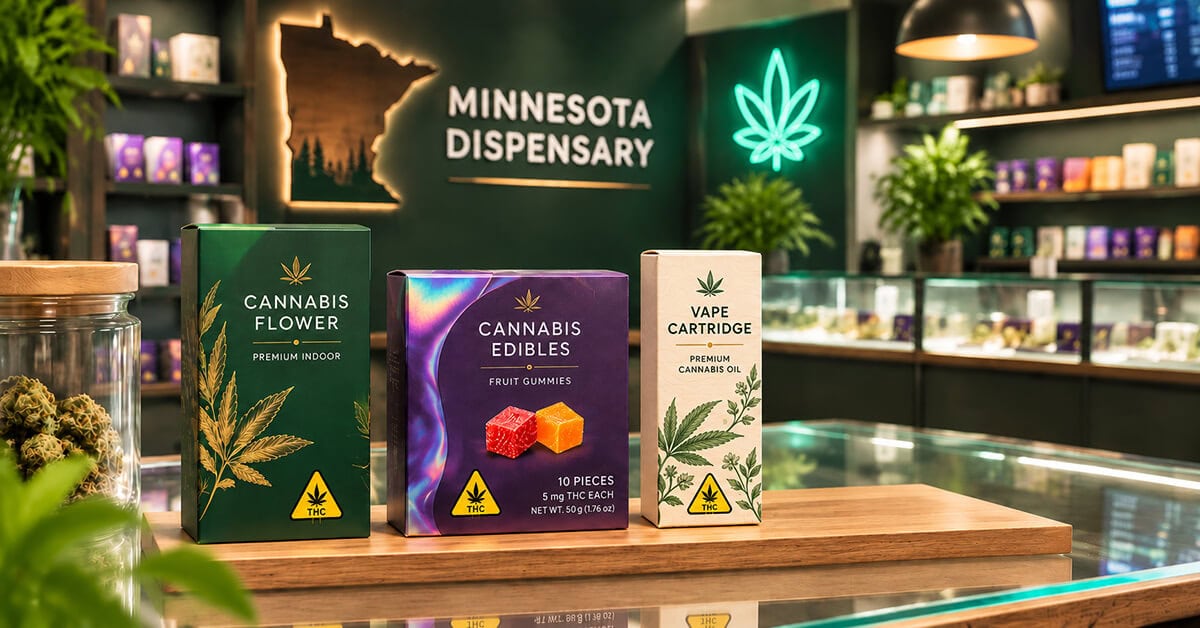
[IMAGE 8 – MPS PRODUCT PORTFOLIO: A real factory-produced collection featuring cannabis folding cartons, rigid boxes, child-resistant paper boxes, vape cartridge boxes, and edible packaging.]Suggested image alt text: MPS custom cannabis paper packaging boxes and child-resistant packaging solutions.
11. Minnesota Cannabis Packaging Compliance Checklist for Brands
Before placing a custom packaging order for the Minnesota market, cannabis brands should review the following checklist:
Identify the exact product category and applicable regulations.
Confirm prepackaging requirements.
Verify child-resistant packaging requirements and applicable exceptions.
Confirm tamper-evident and opacity requirements.
Check serving-size identification for multi-serving products.
Verify resealable packaging requirements.
Confirm that packaging materials contain no PFAS.
Review FDA food-packaging material compliance for edible products and LPHEs.
Reserve sufficient space for mandatory label information and warning symbols.
Verify the visibility and readability of all required information on the marketing layer.
Obtain relevant material declarations and packaging test documentation.
Review the latest OCM guidance before approving production artwork.
Taking these steps before production can help brands reduce compliance risks and avoid costly packaging redesigns.
12. Frequently Asked Questions About Minnesota Cannabis Packaging
Does Minnesota Require Child-Resistant Cannabis Packaging?
Yes. Minnesota generally requires cannabis products, lower-potency hemp edibles, and hemp-derived consumer products to use child-resistant, tamper-evident, and opaque packaging.
Cannabis flower has a separate prepackaging rule, and lower-potency hemp edible beverages are exempt from the child-resistant requirement.
Is Plain Cannabis Packaging Still Required in Minnesota?
No. Minnesota removed its general plain packaging requirement effective August 1, 2026. Brands can use custom printed packaging, but designs must still comply with restrictions on commercial product resemblance and appeal to individuals under 21.
Does Minnesota Prohibit PFAS in Cannabis Packaging?
Yes. Minnesota Statutes Section 342.62 prohibits packaging for cannabis flower, cannabis products, lower-potency hemp edibles, and hemp-derived consumer products from containing or being coated with PFAS.
Are Cannabis Edible Packaging Materials Required to Meet FDA Standards?
Yes. Minnesota requires edible cannabis products and lower-potency hemp edibles to be packaged in materials approved by the FDA for food packaging. Brands should verify the compliance of materials according to their intended application and conditions of use.
Can Cannabis Brands Use Custom Printed Paper Boxes in Minnesota?
Yes. Custom printed paper boxes are permitted, provided the packaging complies with applicable product-specific requirements, including safety features, material restrictions, design restrictions, and labeling rules.
What Information Must Appear on Minnesota Cannabis Packaging Labels?
Required information depends on the product category. Common label elements include product identification, net weight, batch number, cannabinoid content, serving size, ingredients, required warning symbols, and testing verification. Some products have additional requirements.
13. Official Minnesota Cannabis Packaging Resources
Cannabis packaging laws and administrative guidance may change as Minnesota continues developing its regulated cannabis industry.
For the most accurate and up-to-date information, businesses should consult the following official resources:
- Minnesota Office of Cannabis Management – Packaging and Labeling Requirements
- Minnesota Statutes Section 342.62 – Packaging
- Minnesota Statutes Section 342.63 – Labeling
- Minnesota Rules Part 9810.1400 – Packaging and Labeling Requirements
- Minnesota Rules Part 9810.1401 – Packaging and Labeling Requirements for Retail Sale
- FDA – Determining the Regulatory Status of Components of a Food Contact Material
- Minnesota Laws 2026, Chapter 123 – Cannabis Omnibus Legislation
Final Note: This article provides general information about Minnesota cannabis packaging requirements and is not legal advice.
Packaging requirements may vary according to product type, license category, and intended use.
Cannabis businesses should verify their packaging and labeling designs against current Minnesota statutes, rules, and OCM guidance before production and sale.