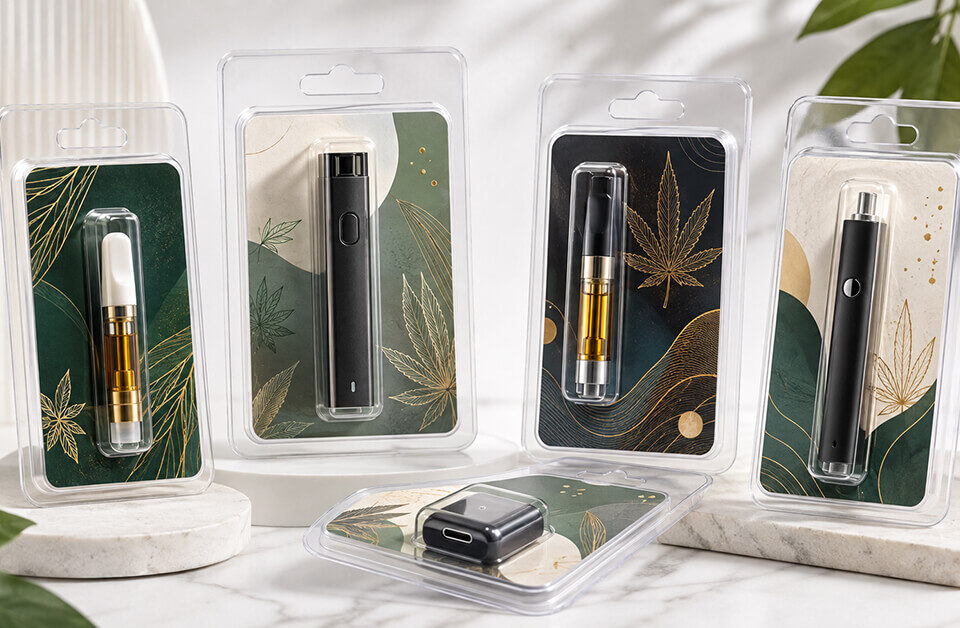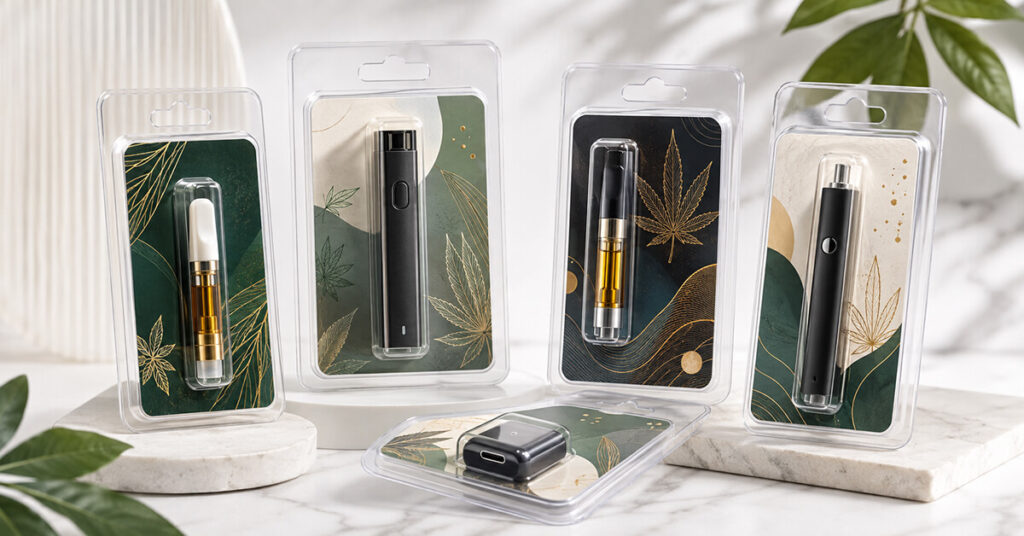

Protective packaging plays an essential role in the cannabis industry because every product—from pre-rolls to vape cartridges—requires secure, organized, and compliant presentation.
As cannabis brands continue to elevate their packaging strategies, many face the same question: should they rely on cardboard inserts for packaging or choose foam inserts instead?
Both insert types offer structural support, but they differ significantly in sustainability, aesthetics, cost, and performance.
Understanding these differences helps cannabis businesses select packaging that aligns with their brand identity, quality expectations, and environmental goals.
What Are Cardboard Inserts for Packaging?
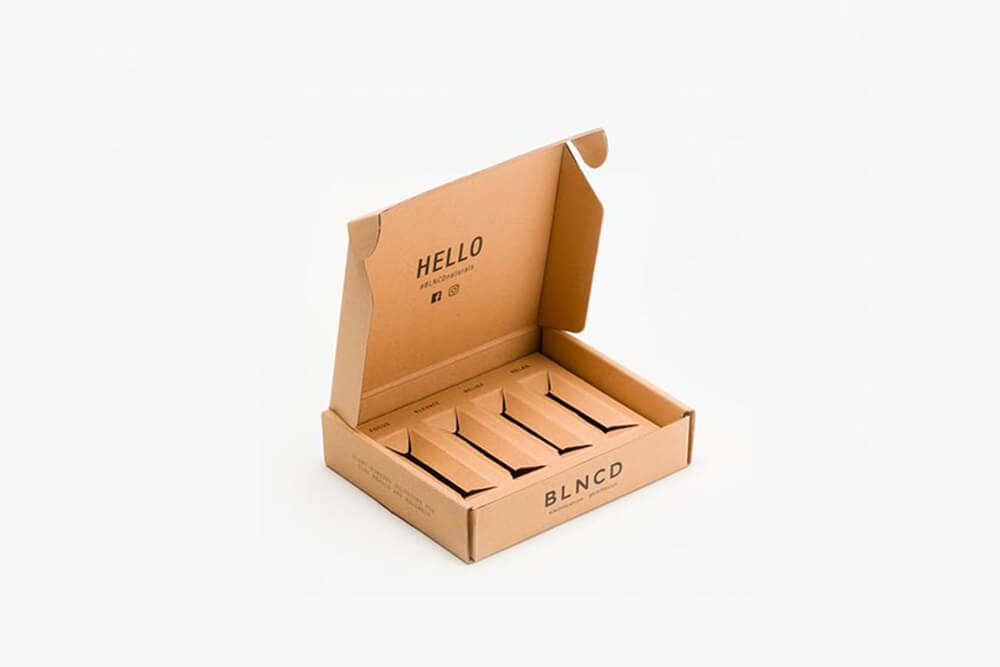
Cardboard inserts for packaging refer to custom-cut paperboard or corrugated structures designed to hold cannabis products securely inside their outer box.
These inserts use durable, eco-friendly materials that provide structure without adding unnecessary weight.
Cannabis brands rely on cardboard inserts for packaging because they support everything from pre-rolls to tincture bottles while also enhancing the unboxing experience.
These inserts offer a smooth surface for printing, die-cut customization, and branded details that strengthen the overall visual appeal of cannabis packaging.

What Are Foam Inserts?
Foam inserts are molded or die-cut materials—such as EVA, PE, or PU foam—designed to cushion and stabilize products.
These inserts provide high shock absorption, making them suitable for delicate cannabis accessories like glass rigs or luxury vape devices.
Foam inserts perform well when brands need structured cavities that maintain their shape under pressure.
Although foam insert technology remains popular in specialty packaging, it often lacks the sustainability and customization flexibility that many cannabis brands now prioritize.

Image Credit: Lumin | Unsplash
Protection & Structural Performance Comparison
Cardboard inserts for packaging deliver reliable strength for most cannabis product categories.
They hold jars, pre-rolls, cartridges, and edibles in place, preventing movement inside the box.
The die-cut structure ensures each product fits securely.
Foam inserts outperform cardboard when maximum shock absorption is necessary, especially for fragile glass pieces.
However, foam inserts cannot match the aesthetic and branding versatility that cardboard offers.
In many cannabis applications, cardboard inserts for packaging provide ample protection while offering additional benefits that foam cannot.
Sustainability & Environmental Impact
Sustainability is a major driving force in the cannabis market.
Many brands choose cardboard inserts for packaging because they are fully recyclable, biodegradable, and often made from post-consumer materials.
These eco-friendly qualities align well with modern cannabis consumers who prioritize responsible packaging.
Foam inserts, in contrast, use petroleum-based materials that do not decompose and are rarely recyclable.
The environmental disadvantage of foam pushes many cannabis companies toward cardboard inserts for packaging as a long-term sustainable solution.

Cost Comparison
Cardboard inserts for packaging offer excellent cost efficiency, especially when brands produce medium to high order volumes.
Paperboard and corrugated materials are less expensive than molded foam, and cardboard inserts do not require complex tooling.
Foam inserts typically involve higher production costs due to custom molds and material expenses.
For most cannabis products, cardboard inserts for packaging provide a more affordable choice without sacrificing structural integrity or aesthetics.
Customization & Branding Potential
One of the strongest advantages of cardboard inserts for packaging is their design versatility.
Brands can print logos, patterns, dosage information, or color branding directly on the insert.
Die-cutting allows unlimited shape customization that suits unique cannabis products.
Foam inserts lack this branding potential because they cannot be printed in detail, and their appearance is limited to solid colors.
For cannabis brands focused on premium presentation and storytelling, cardboard inserts for packaging deliver superior flexibility and visual impact.

Cannabis Product Compatibility
Pre-Rolls
Cardboard inserts for packaging hold single or multiple pre-rolls neatly, preventing movement and offering a clean, organized look. Foam is unnecessary for such lightweight products.
Glass Jars and Tinctures
Foam inserts provide stronger shock protection for delicate glass, but many brands still use reinforced cardboard inserts for packaging to balance sustainability and stability.
Vape Cartridges
Cardboard inserts provide clean alignment and branding opportunities, while foam inserts offer firmer grip and impact protection. Brands choose based on priority: presentation or protection.
Edibles
Edible packaging benefits from cardboard inserts for packaging because they organize small containers or pouches without adding extra weight or cost.
Premium Gift Sets
Luxury cannabis kits sometimes use foam for a rigid, upscale look, but many high-end brands now prefer cardboard inserts for packaging to match eco-friendly values.
Compliance & Retail Requirements
Cardboard inserts for packaging support compliance by keeping products upright and clearly separated, which simplifies labeling and tamper-evident design.
Many cannabis regulations require secure presentation, product stability, and clear visibility—criteria that cardboard inserts meet easily.
Foam inserts also support compliance, but without the same branding advantages or eco-friendly appeal that cardboard provides.
When to Choose Cardboard Inserts for Packaging
Cannabis brands should choose cardboard inserts for packaging when they prioritize:
- Sustainable packaging
- Lower cost and efficient production
- Custom printing and branding opportunities
- Lightweight product categories (pre-rolls, vape carts, edibles)
- A cleaner, more premium unboxing presentation
These benefits make cardboard inserts for packaging the superior option for most cannabis product lines.
When to Choose Foam Inserts
When to Choose Foam Inserts
- Packaging extremely fragile glass pieces
- Protecting high-impact accessories or hardware
- Creating ultra-rigid cavities for luxury gift sets
- Maximum shock absorption is required
If the product category demands intense cushioning, foam inserts may still be the preferred choice.
Final Recommendation
Both insert styles serve valuable purposes, but cardboard inserts for packaging offer broader benefits for modern cannabis brands.
They support sustainability, enhance branding, reduce cost, and provide reliable protection for most cannabis products.
Foam inserts still serve niche applications, especially for glass-heavy premium items.
Ultimately, the best choice depends on your product needs, brand identity, and environmental goals.
Cannabis brands that aim for eco-friendly packaging and a refined consumer experience benefit most from choosing cardboard inserts for packaging.