
The legal landscape of the cannabis industry is evolving at an unprecedented rate, and with it, the strict regulations governing how products are presented and protected.
As a packaging specialist, I observe firsthand how these rapid legislative shifts dictate the physical requirements of product containers.
For brands, staying ahead of these changes is not merely a matter of legal adherence; it is a critical component of brand survival and consumer safety.
Welcome to this deep dive into the future of compliant packaging.
At the core of these regulations is the need for safe, reliable compliant packaging.
This standard goes far beyond simple containment.
Today’s compliant packaging must achieve a delicate balance: guaranteeing child resistance to prevent accidental ingestion, preserving product freshness, and providing ample space for strict labeling transparency.
As the industry matures, the expectations placed on these custom packaging solutions will only intensify.
The Current Regulatory Baseline for Cannabis Packaging
Currently, the baseline mandates for compliant cannabis packaging are rigorous.
Standard requirements universally dictate that containers must be opaque, feature tamper-evident seals, and utilize specific material thicknesses to ensure structural integrity.
These foundational elements are non-negotiable for any brand bringing a product to market, serving as the first line of defense in consumer protection and legal liability.
Historically, the industry has relied heavily on plastics—such as pop-top drams and mylar bags—to meet these safety standards.
However, this reliance has created a significant environmental challenge.
There is now a growing, undeniable push from both eco-conscious consumers and environmental regulatory bodies to transition away from single-use plastics, driving the market toward sustainable, paper-based alternatives that still fulfill all safety criteria.
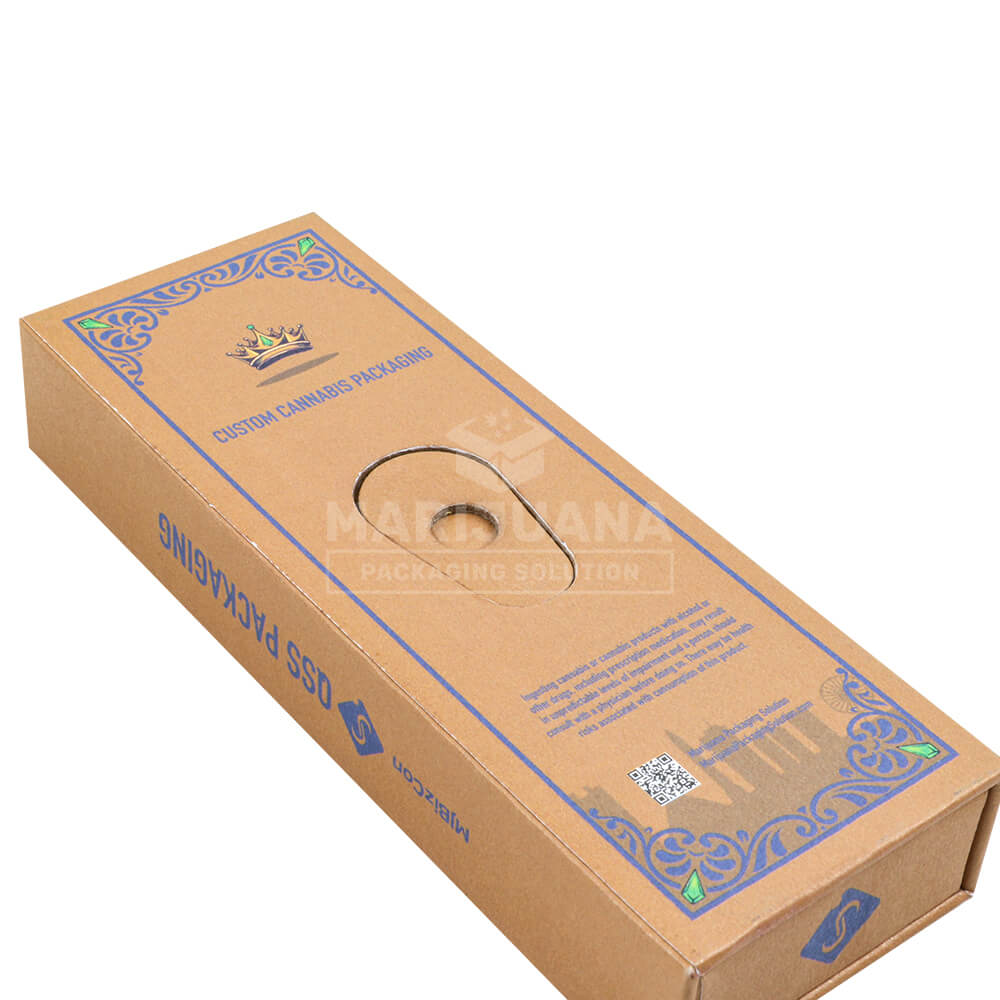
Display your brand’s unique identity with high-quality printing on your compliant child proof packaging.
Anticipated Federal Shifts and Standardization
Looking to the future, the industry must prepare for the likely transition from a fragmented patchwork of state laws to unified, national guidelines.
Federal oversight will inevitably introduce standardized testing protocols for child-resistant mechanisms and labeling conventions.
Brands that proactively engineer their custom structures now will be best positioned to navigate this transition smoothly without facing costly redesigns or inventory obsolescence.
As federal agencies become more involved, the blueprint for FDA compliant packaging will likely mirror the stringent requirements currently seen in the pharmaceutical sector.
Packaging specialists are already designing with this in mind, creating robust paperboard structures capable of passing the highest levels of child-resistant certification testing to ensure complete readiness for a nationally regulated market.
Until federal standardization occurs, cannabis brands must navigate the complex maze of state-by-state regulations.
Scaling across state lines presents a significant logistical challenge, as each region maintains distinct rules regarding warning symbols, font sizes, and structural requirements.
What qualifies as compliant packaging in one state may result in a costly product recall in another.
To overcome these jurisdictional hurdles, forward-thinking brands are adopting highly adaptable structural designs.
By utilizing versatile custom paper packaging templates, the core child-resistant structure remains universally effective, while the printed dielines can be easily and cost-effectively swapped.
This strategic approach ensures seamless compliance with localized state compliant cannabis packaging rules without having to re-engineer the entire box for every new market.
The Evolution of Materials: Sustainable Paper Solutions
The most significant evolution in cannabis compliant packaging is the rapid shift toward sustainable, recyclable paperboard solutions.
Brands are actively seeking alternatives to plastic that align with corporate sustainability goals and resonate with environmentally aware consumers.
Investing in custom paper packaging is no longer just an aesthetic choice; it is rapidly becoming an industry mandate.
Transitioning to paper does not mean compromising on safety.
Modern, high-density paperboard is specifically engineered to withstand rigorous use and successfully pass comprehensive child-resistant certification testing.
This allows brands to achieve a critical green balance: fulfilling their environmental responsibilities while strictly maintaining the robust structural integrity required for compliant packaging.
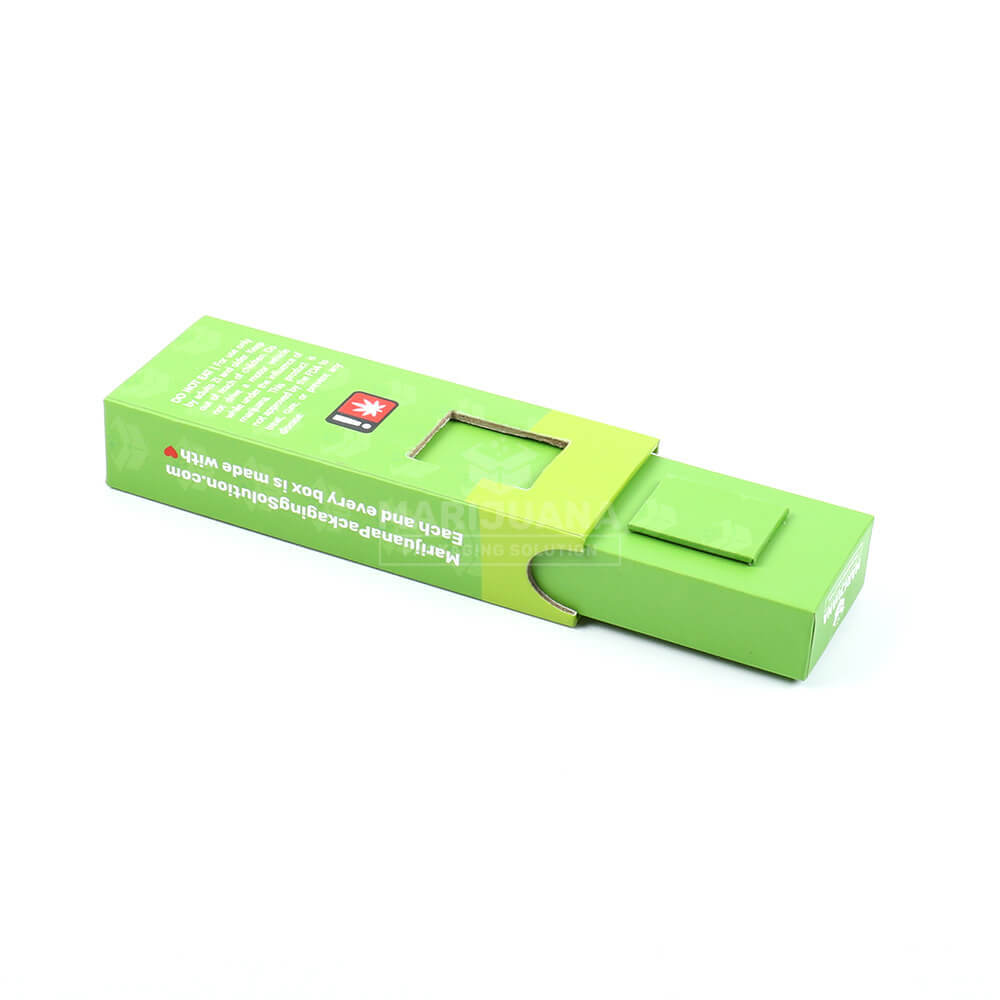
Technological Innovations in Child-Resistant Paper Mechanisms
The push for paper has sparked remarkable technological innovations in structural engineering.
Child-resistant locking mechanisms are now being seamlessly integrated directly into custom paperboard designs.
Innovations such as hidden release buttons, dual-action slide trays, and pinch-and-pull tear mechanisms provide robust security without the need for supplementary plastic components or inserts.
The true test of these paper mechanisms is their long-term durability.
It is absolutely essential that these structures maintain their integrity and child-resistance over the entire lifespan of the product.
From the dispensary shelf to the consumer’s home, the locking features must function flawlessly with repeated use to ensure continuous, reliable compliant packaging.
Balancing Premium Branding with Strict Regulations
A frequent challenge in designing compliant packaging is balancing mandatory regulatory text with compelling brand storytelling.
Paper boxes offer a distinct advantage by maximizing the printable surface area.
Expert structural design ensures that essential warning labels and dosage information are clearly displayed on designated panels without cluttering the brand’s primary visual identity.
Compliance does not have to come at the expense of luxury.
Brands can utilize professional printing techniques—such as spot UV coating, elegant embossing, or metallic foil stamping—on their custom paperboard to communicate premium quality.
When executed correctly, these aesthetic enhancements elevate the unboxing experience, while the underlying child-resistant mechanisms quietly ensure compliant packaging.

Image generated with Google Gemini
Conclusion
The trajectory of the cannabis industry clearly indicates that legislation and packaging technology are evolving in tandem.
As regulations become more unified and environmentally focused, the reliance on advanced, paper-based structural engineering will only grow.
Staying ahead of these trends is essential for operational success and maintaining consumer safety.
Ultimately, investing in forward-thinking, adaptable, and high-quality materials is a critical strategy for brand longevity.
By prioritizing innovative compliant packaging, cannabis brands not only protect themselves from legal liabilities but also build deep, lasting trust with their consumers in an increasingly competitive and regulated marketplace.