Sustainability isn’t just a trend in cannabis—it’s a responsibility.
As a brand owner or designer, you’ve probably noticed that more customers are demanding eco-conscious solutions, right down to the packaging.
That’s exactly where compostable cannabis packaging comes in.
I’ve spent a lot of time digging into what makes packaging truly sustainable, and let me tell you—there’s more to it than just swapping plastic for paper.
In this post, I’ll walk you through everything I’ve learned about customizing compostable cannabis packaging
—from understanding the difference between compostable, biodegradable, and “eco-friendly” labels, to picking the right materials and print methods.
I’ll break down the legal compliance side, branding tips, common challenges, and even how to source reliable manufacturers.
Whether you’re just starting out or looking to refresh your brand with greener options, this guide covers all the essential steps to getting compostable cannabis packaging right.
Let’s get into the details that matter—not just for your brand, but for the planet too.
Why Compostable Cannabis Packaging Matters
With sustainability becoming more than just a buzzword, compostable cannabis packaging is gaining serious momentum.
More cannabis brands are realizing that their packaging choices have real environmental consequences—and customers are paying attention.
Compostable cannabis packaging offers a guilt-free, eco-friendly solution that aligns perfectly with the values of modern consumers.
From my perspective, the most powerful thing about using compostable cannabis packaging is that it makes an immediate impression.
It shows you’re committed to reducing waste and lowering your environmental footprint.
Plus, it helps differentiate your brand in a market full of traditional plastic-based packaging that ends up in landfills.
Image Credit: Patricia Nixon | Unsplash
The Difference Between Compostable, Biodegradable, and Eco-Friendly Packaging
People often confuse the terms compostable, biodegradable, and eco-friendly—but they’re not interchangeable.
Compostable cannabis packaging is designed to break down fully into non-toxic components in composting conditions, usually within 90 to 180 days.
Biodegradable packaging, on the other hand, may take years to break down and doesn’t always leave behind safe residues.
Eco-friendly cannabis packaging is a broader term that can include both compostable and biodegradable options, along with recyclable materials and reduced carbon footprints.
For brands serious about their green commitment, compostable cannabis packaging offers the most direct path to true sustainability.
Material Options for Compostable Cannabis Packaging
When I first started looking into compostable cannabis packaging, I was surprised at how many materials are available.
PLA (polylactic acid), which is made from fermented plant starch like corn or sugarcane, is one of the most common.
There’s also kraft paper with plant-based lamination, hemp-based materials, and even mushroom packaging that’s gaining traction.
The right material depends on what you’re packaging—whether it’s flower, pre-rolls, or edibles.
For example, kraft paper-based bags work well for dry cannabis products, while PLA or cellulose film is better for products that need moisture resistance.
Custom Printing Techniques for Compostable Packaging
Yes, you can customize compostable cannabis packaging just like traditional packaging—you just need to use compatible printing methods.
Water-based inks, soy-based inks, and even algae-based inks are all safe options that won’t interfere with the compostability of your packaging.
I like to keep designs minimal to complement the natural, rustic vibe of these materials.
Think matte finishes, soft tones, and clean typography. Compostable cannabis packaging doesn’t need to scream for attention—it wins customers over with quiet sustainability.
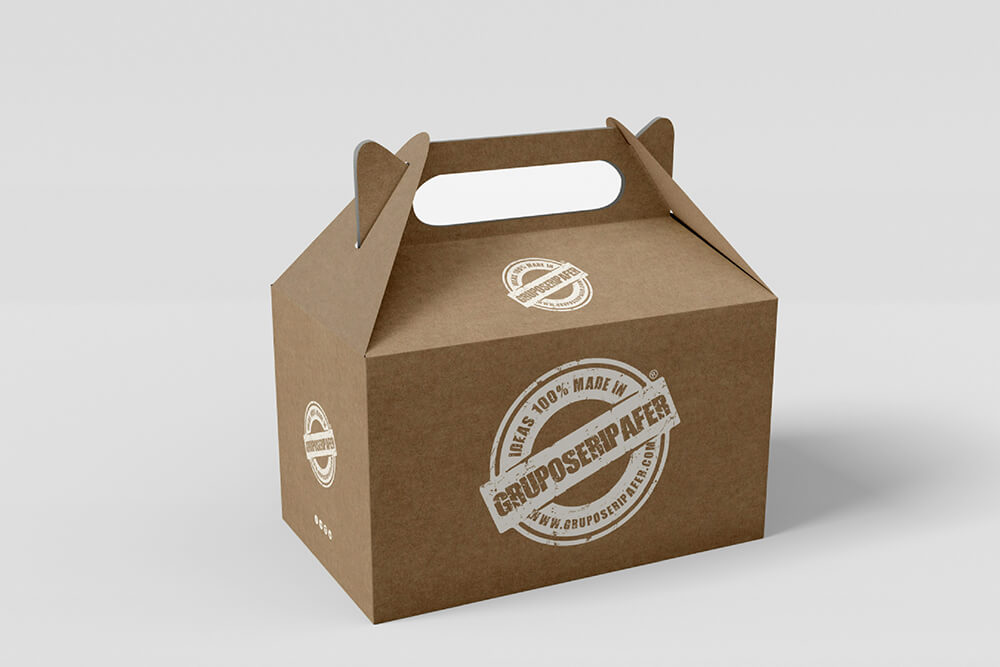
Image Credit: Grupo Seripafer | Unsplash
Branding Considerations for Sustainable Packaging
If you’re going to invest in compostable cannabis packaging, your branding should reflect that eco-conscious choice.
I always suggest including visual cues like leaf icons or “100% compostable” badges.
Transparency builds trust, so don’t be shy about showcasing your green packaging credentials on the label.
Also, think about storytelling. Your brand’s sustainable mission can become a major differentiator in a crowded marketplace.
Use your packaging to tell customers exactly how your packaging supports the planet.
Legal and Compliance Requirements
Just because you’re going green doesn’t mean you can skip the rules.
Your compostable cannabis packaging still needs to meet all local and national cannabis packaging laws.
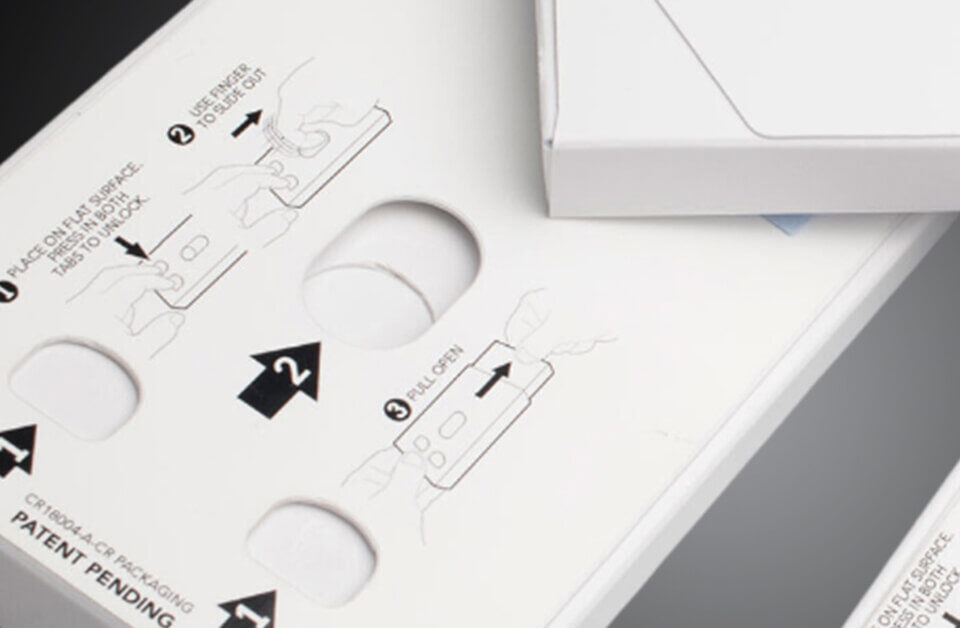
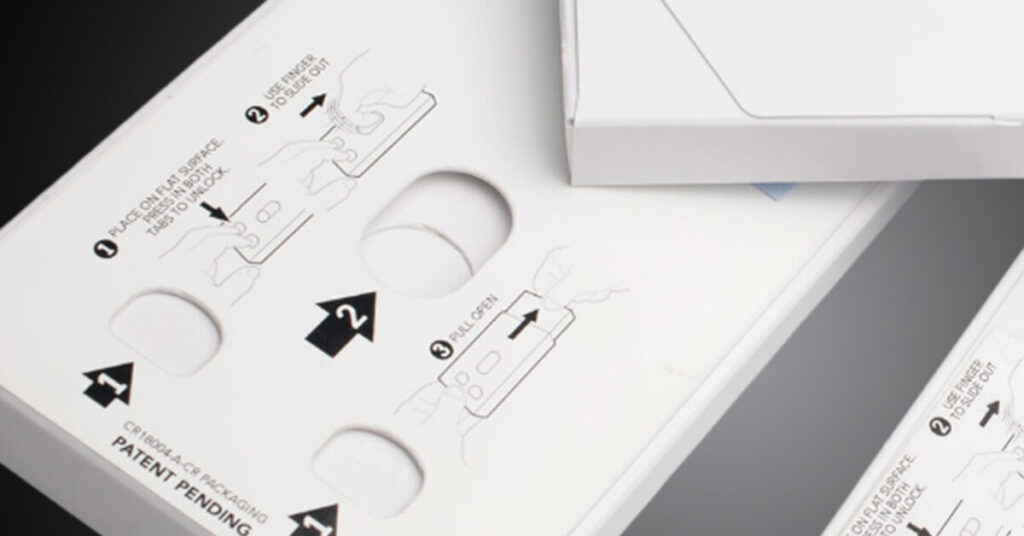
That includes child-resistant closures, tamper-evident seals, opaque materials in certain states, and clearly printed dosage info.
When I work on packaging design, I always double-check compliance before finalizing anything. That small step saves a ton of hassle later.
Custom Sizing and Packaging Formats
One of the coolest things about compostable cannabis packaging is that you don’t have to sacrifice design freedom.
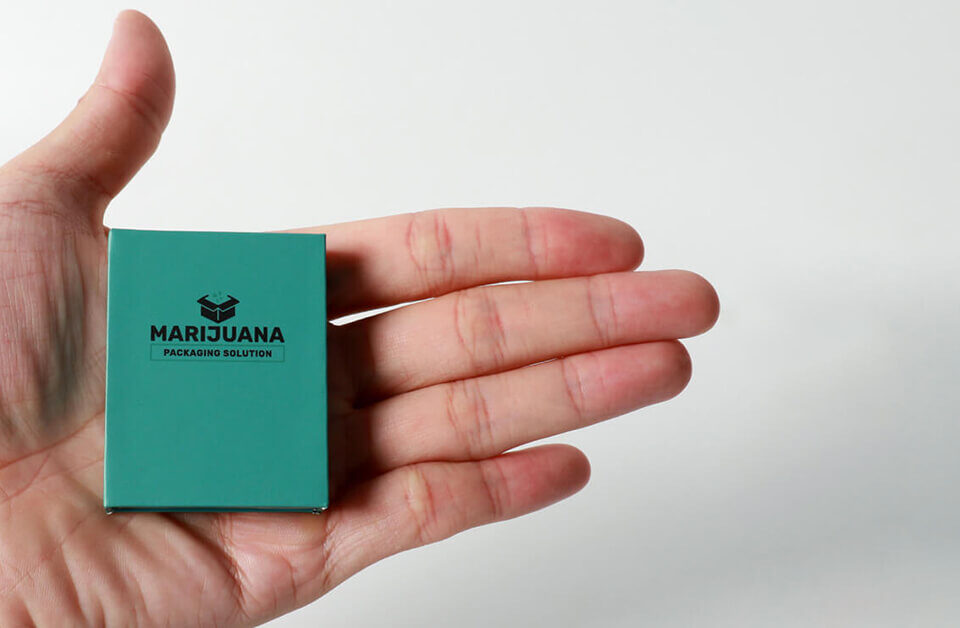
Whether you need stand-up pouches, folding boxes, or blister packs—there are compostable options for almost every format.
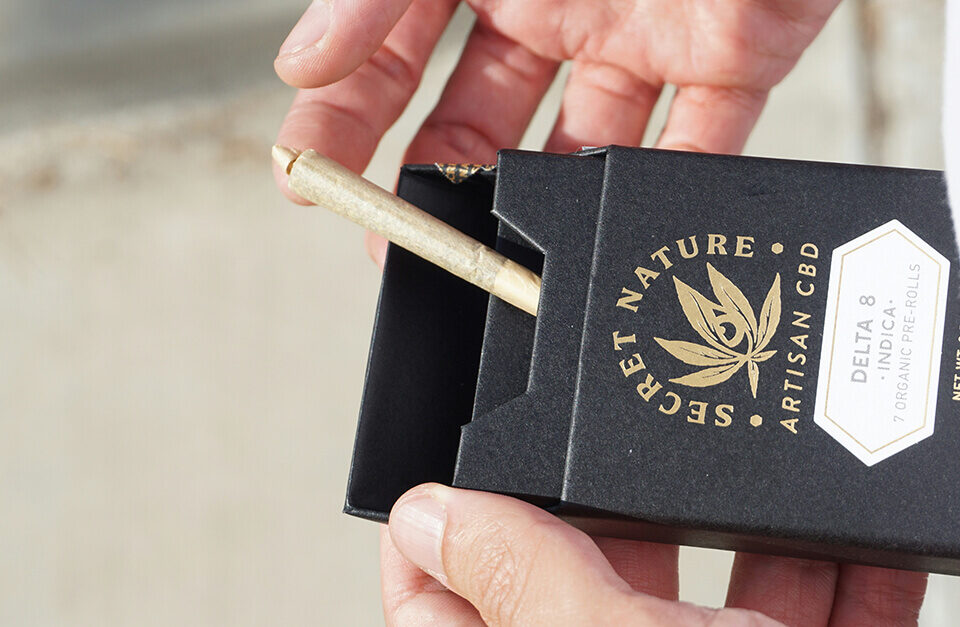
I’ve seen custom compostable packaging used beautifully for pre-rolls, tinctures, vape cartridges, and gummies.
You can request gusseted bags, zipper seals, and even die-cut windows (made with compostable films).
The possibilities are wider than most people think.
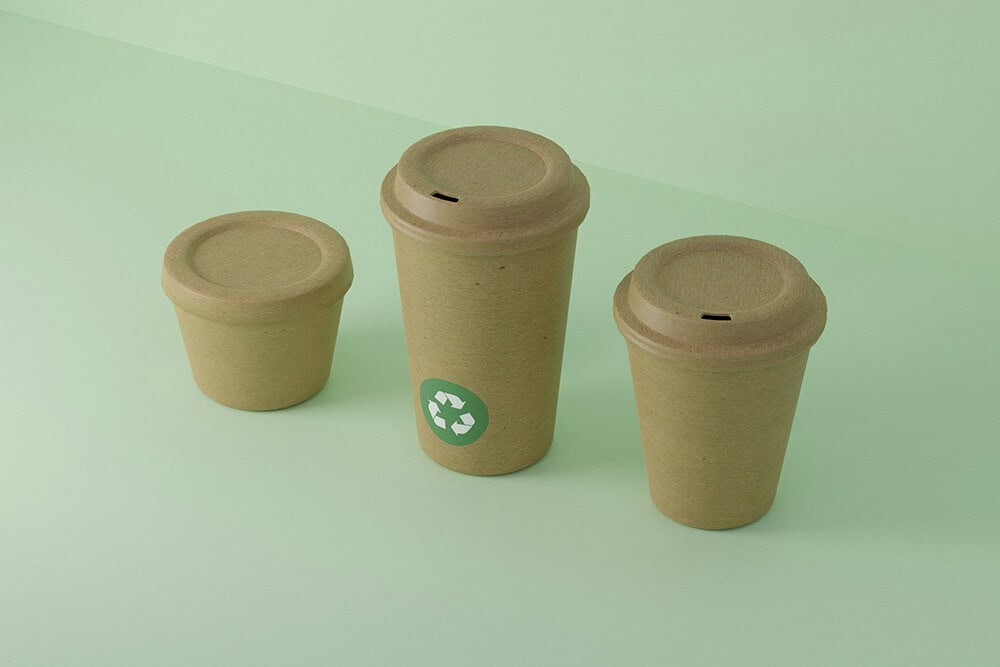
Image Credit: Chamfjord | Unsplash
Challenges and Limitations to Consider
Compostable cannabis packaging isn’t perfect. It has its challenges—especially around shelf life, cost, and durability.
Some materials aren’t ideal for long-term storage, especially in humid conditions.
You also need to educate customers about how to properly compost the packaging, which can be tricky if municipal composting isn’t available.
Still, these limitations don’t outweigh the benefits. With the right design and material pairing, I’ve seen compostable packaging hold up impressively well.
How to Source the Right Manufacturer
Not all packaging suppliers are created equal—especially when it comes to compostable cannabis packaging.
Look for vendors who specialize in sustainable materials and who can verify compostability certifications like ASTM D6400 or EN 13432.
I always recommend asking for material samples before placing a full order. This lets you test durability, print quality, and functionality.
Also, confirm lead times and ask if they support custom printing with eco-friendly inks.
Image Credit: Ochir Erdene | Unsplash
Final Thoughts: Making the Switch to Compostable Packaging
Switching to compostable cannabis packaging is more than a trend—it’s a smart business move.
It shows your brand is forward-thinking, eco-conscious, and genuinely invested in doing better for the environment.
Whether you’re launching a new product or rebranding an existing line, compostable packaging is worth the investment.
For me, it all comes down to creating packaging that looks great, performs well, and respects the planet.
And compostable cannabis packaging checks all those boxes.
Choosing compostable cannabis packaging isn’t just about going green—it’s about aligning your brand with values that today’s conscious consumers deeply care about.
From reducing environmental impact to standing out with meaningful design, compostable solutions allow you to package cannabis products responsibly without sacrificing quality or style.
After working with different sustainable materials and custom packaging options, I’ve seen how powerful the right choices can be—not only for the planet but also for building trust with customers.
If you’re ready to make the switch, start small, stay informed, and work with manufacturers who truly understand what compostable packaging means.