
The rapid expansion of the cannabis concentrate market has led to an increasing demand for high-quality, perfectly preserved extracts.
As producers perfect their extraction techniques, the conversation inevitably turns to how best to protect these delicate products from degradation.
A common dilemma faced by extractors and dispensaries is selecting the ideal primary container.
In this comprehensive guide, we will explore the scientific and operational differences between glass and silicone to help you optimize your overall crumble wax packaging strategy.
Understanding the Unique Demands of Crumble Packaging
Before selecting a primary container, it is essential to understand the specific environmental needs of your product.
Concentrates possess a delicate, honeycomb-like texture and highly volatile terpene profiles that require meticulous preservation.
This is especially true when designing THCA crumble wax packaging, where maintaining the structural and chemical integrity of the extract is paramount for efficacy and flavor.
Effective crumble packaging must protect the concentrate from UV light, oxidation, and moisture.
Failing to provide this protection can result in a loss of potency, ultimately damaging your brand’s reputation.
Therefore, every aspect of your crumble wax packaging ecosystem must be engineered with long-term preservation in mind.
The Case for Glass Jars
When evaluating primary containment, glass jars remain a premier choice for crumble wax packaging.
The most significant advantage of glass is its complete chemical inertness.
Glass does not interact with the delicate terpenes present in cannabis extracts, ensuring that the flavor and medicinal profile remain completely untainted from the laboratory all the way to the consumer’s dab rig.
Furthermore, glass inherently feels like a luxury material, providing a premium tactile presentation that justifies a higher retail price point.
However, producers must also factor in the logistical disadvantages; glass is fragile and carries a heavier shipping weight, which can increase transport costs and the risk of breakage if not properly secured during transit.
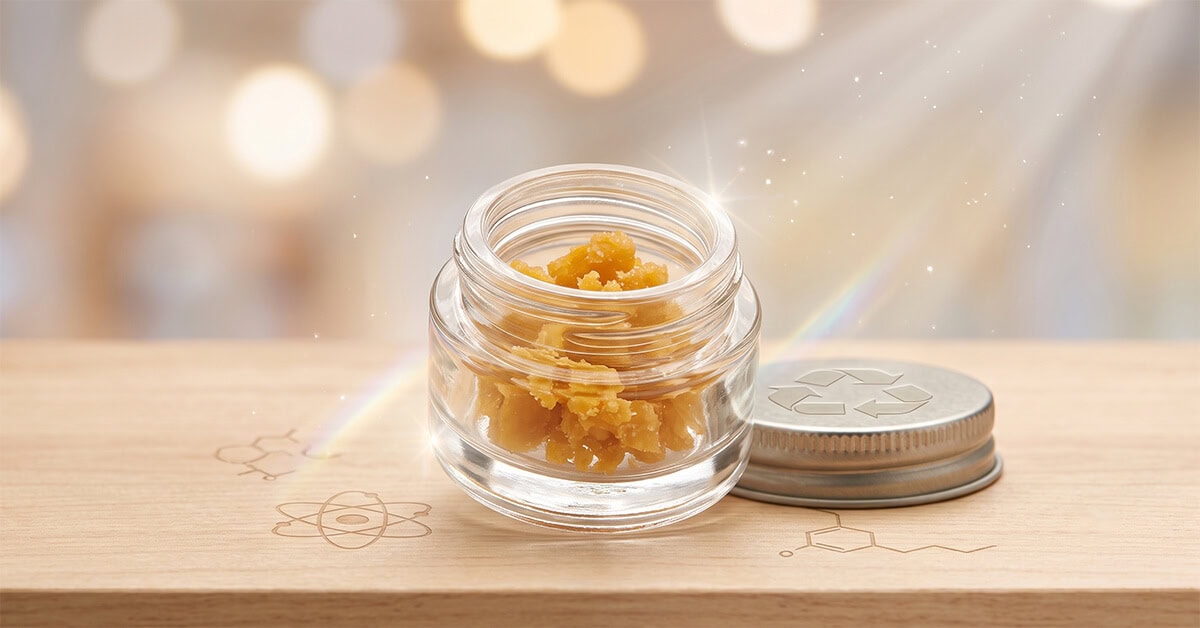
Image generated with Google Gemini
Silicone Containers: Flexibility and Functionality
On the other side of the material spectrum, silicone containers offer a very different set of functional benefits for crumble wax packaging.
Consumers highly favor silicone for its non-stick surface, which ensures that no sticky extract is left behind or wasted.
From an operational standpoint, silicone is shatter-proof, highly durable, and generally much more cost-effective when ordered at scale.
Despite these advantages, silicone has a notable drawback when it comes to long-term storage.
Certain highly volatile terpenes can act as natural solvents, which may cause terpene leaching when in prolonged contact with even medical-grade silicone.
For this reason, silicone is most often recommended for budget-friendly product lines or items meant for rapid consumption rather than long-term cellaring.
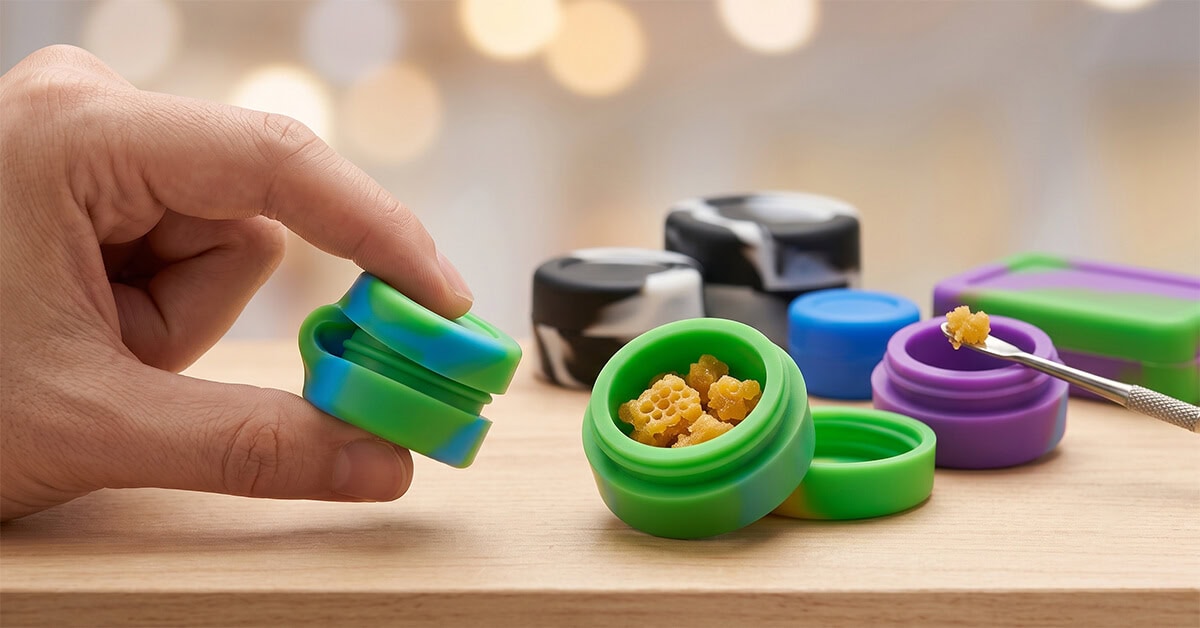
Image generated with Google Gemini
The Crucial Role of Crumble Wax Secondary Packaging
Regardless of whether a brand chooses the premium appeal of glass or the functional flexibility of silicone, the primary container cannot stand alone on a retail shelf.
This is where crumble wax secondary packaging becomes indispensable.
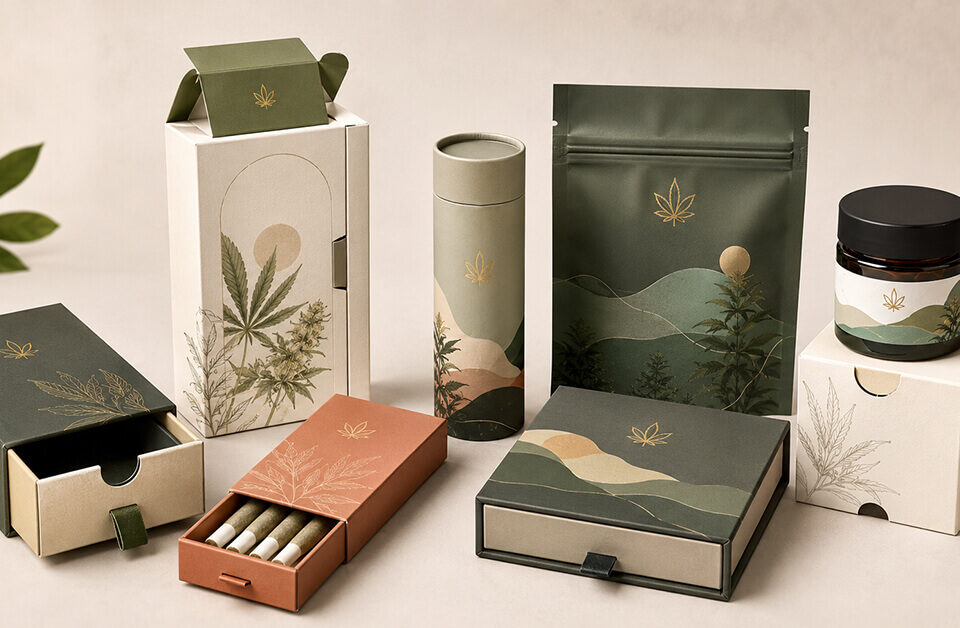
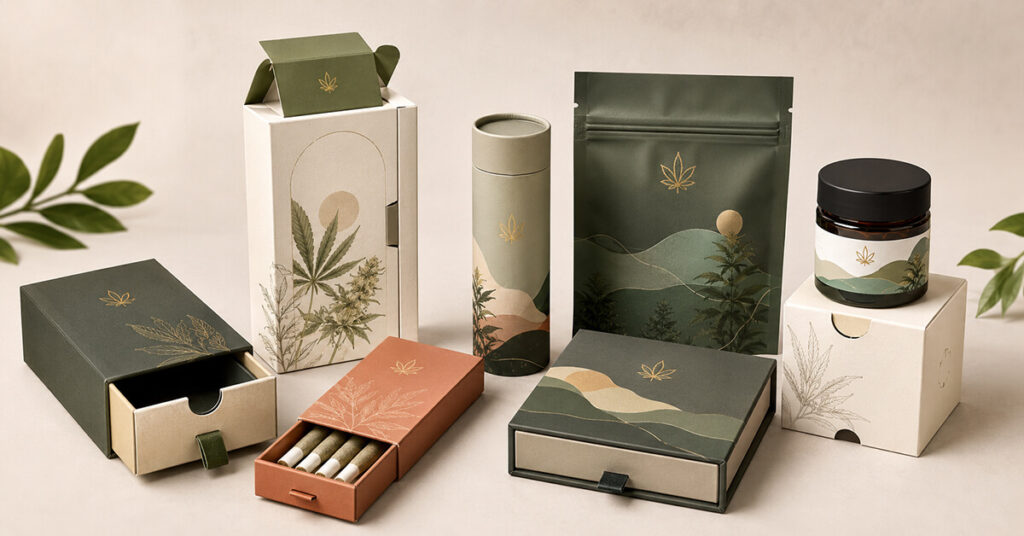
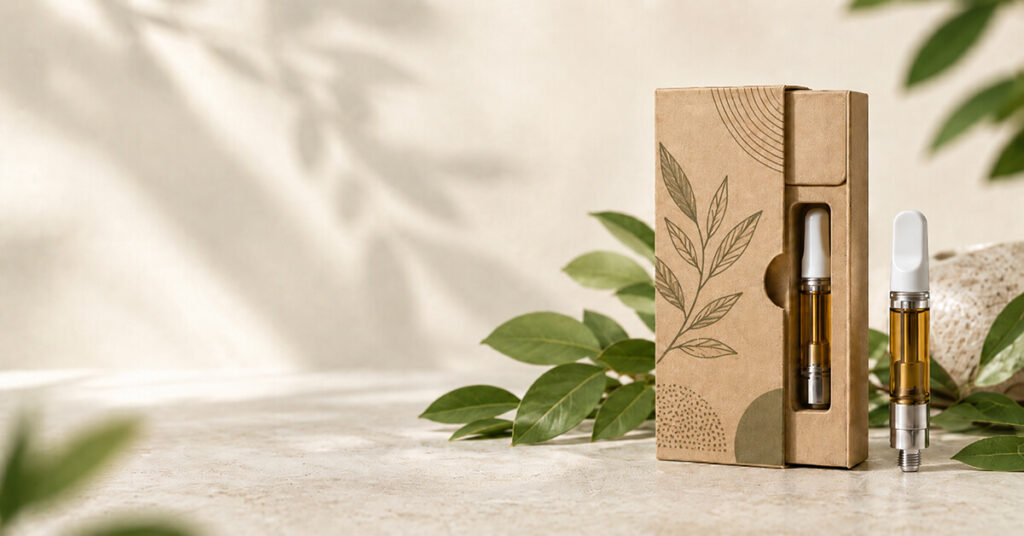
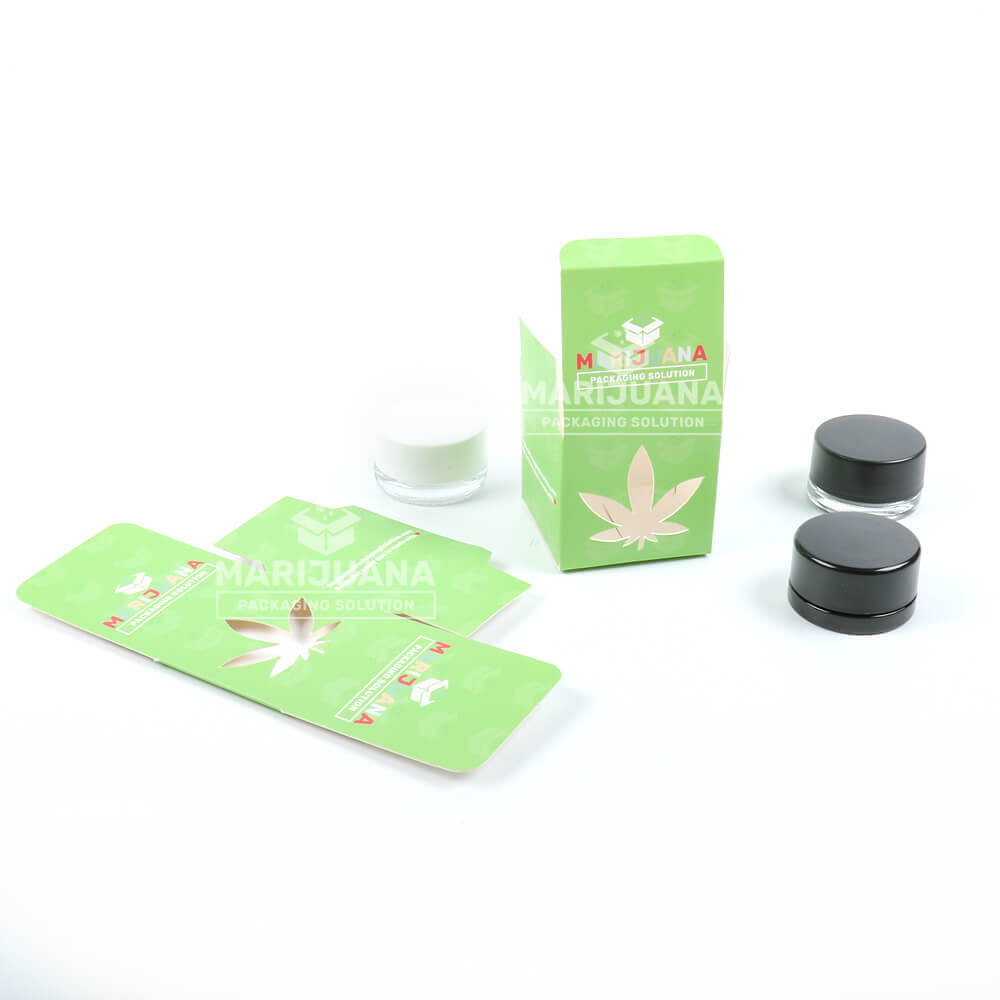
An engineered outer paper box bridges the gap between the bare jar and a retail-ready, compliant product. Custom-sized internal paper or foam inserts are necessary to secure either fragile glass or flexible silicone, preventing movement, rattling, and damage during shipping. By investing in high-quality secondary enclosures, you ensure that your primary crumble wax packaging arrives at the dispensary in pristine condition.
Elevating Your Brand with Custom Solutions
Beyond physical protection, the outer box is your most valuable marketing asset.
Utilizing custom crumble wax packaging allows brands to deploy premium paper stocks, embossing, foil stamping, and spot UV finishes.
These visual and tactile elements are crucial for differentiating your product in a highly competitive retail environment.
Furthermore, partnering with a paper packaging specialist allows for seamless regulatory compliance.
Certified child-resistant (CR) locking mechanisms can be integrated directly into the custom paper box design, ensuring you meet stringent state packaging regulations without sacrificing your brand’s high-end aesthetic.
A well-designed crumble wax packaging solution communicates quality before the product is even opened.
Choosing between glass and silicone depends largely on your target demographic and product shelf-life expectations.
Glass is unparalleled for premium, long-term storage, while silicone offers unmatched convenience for budget-conscious consumers.
However, neither format is complete without the right outer presentation.
To truly protect your product and elevate your brand, you need a comprehensive crumble wax packaging strategy that includes a structurally sound, beautifully printed custom paper box.
Partnering with a custom paper packaging expert ensures that your secondary boxes will perfectly complement your chosen jars, keep your product compliant, and set your concentrates apart from the competition.