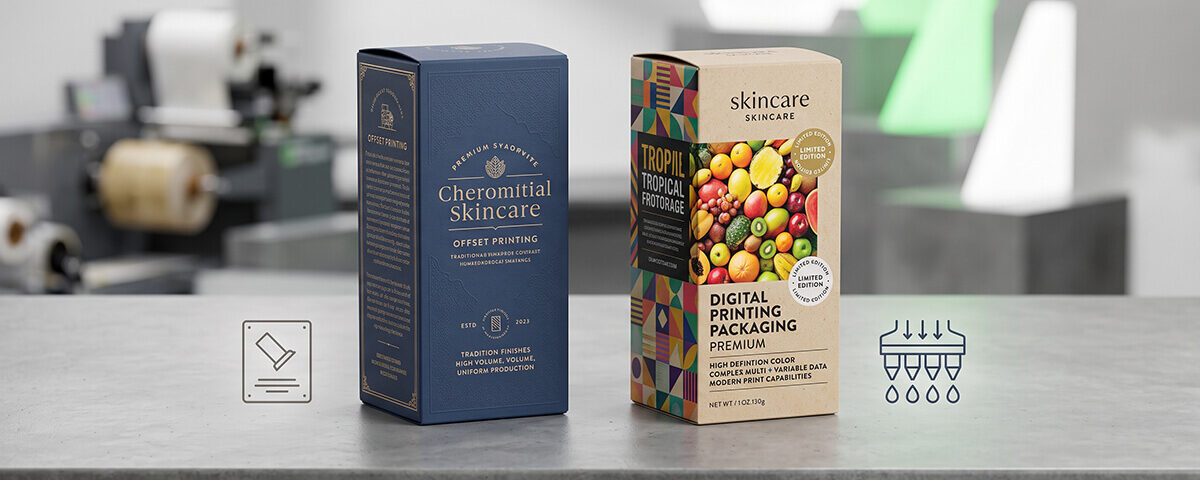
Selecting the optimal production method for custom product packaging is a pivotal operational decision that directly influences manufacturing overhead, supply chain agility, and brand perception on the retail shelf.
When developing branded boxes, folding cartons, or premium rigid containers, procurement managers and packaging engineers frequently face a critical question: should they utilize traditional offset lithography or leverage digital printing packaging?
Both printing technologies offer distinct operational and financial advantages.
While offset lithography has long served as the industrial benchmark for high-volume manufacturing, rapid advancements in digital printing presses have transformed modern packaging production.
Determining the right solution requires an objective analysis of order volume, unit economics, turnaround schedules, color precision, and packaging design complexity.
1. Unpacking the Core Technologies
Understanding the mechanical differences between these two methodologies is essential for making an informed procurement decision.
The Mechanics of Offset Lithography
Offset lithographic printing relies on custom metal plates—typically made of aluminum—to transfer artwork onto a substrate.
Each primary color channel (Cyan, Magenta, Yellow, and Key/Black, or CMYK), along with any specialized spot colors, requires an individually etched plate.
During the printing cycle:
- Ink is applied to the metal plate.
- The inked image is transferred (“offset”) onto a cylindrical rubber blanket.
- The rubber blanket rolls the image directly onto the paperboard or packaging substrate.
Because the process requires significant mechanical setup, plate calibration, ink density balancing, and sheet waste before the first acceptable unit is produced, offset printing carries substantial upfront tooling and make-ready costs.
However, once calibrated, offset presses run at exceptionally high speeds, delivering unmatched unit-cost efficiency for mass-market production.
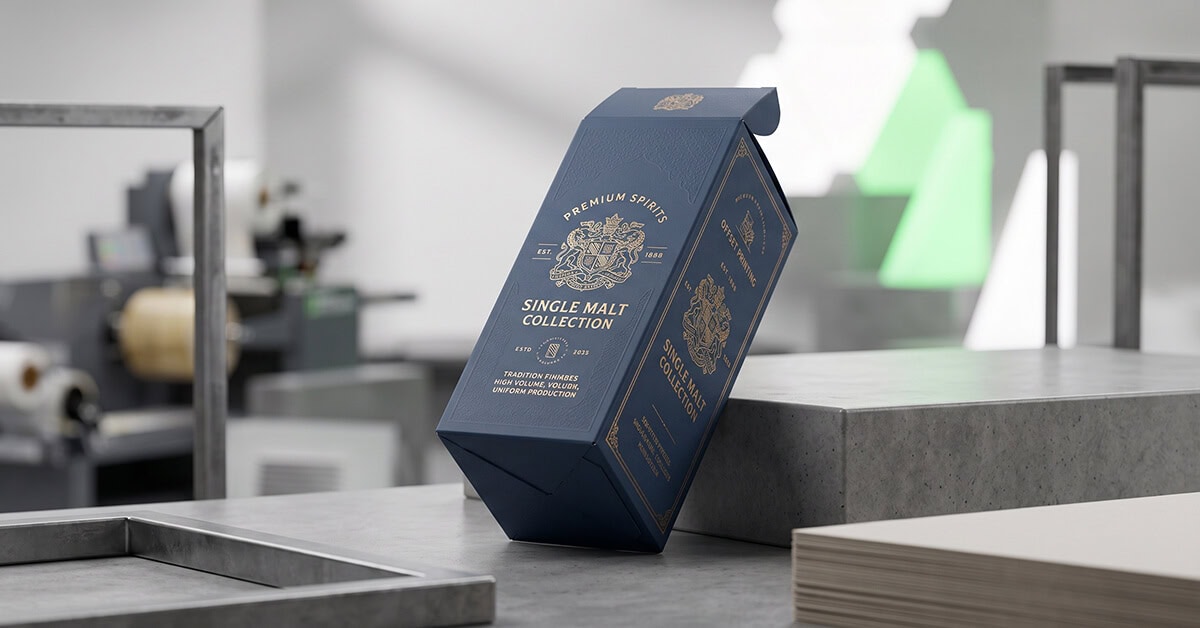
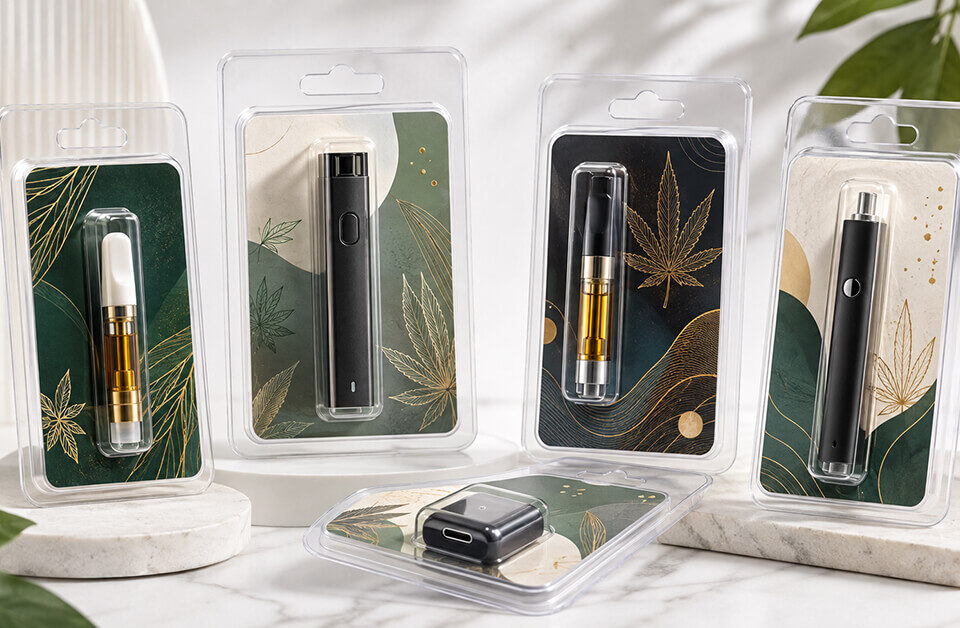
Image generated with Google Gemini
The Rise of Digital Printing in Packaging
In contrast, digital printing packaging completely eliminates the need for physical printing plates and labor-intensive press setup.
Digital presses—utilizing advanced liquid electrophotography (such as HP Indigo technology) or high-resolution industrial inkjet arrays—read digital art files directly and transfer electrostatic toners or UV-curable inks straight onto the packaging substrate.
By converting digital vector files directly into physical prints, digital printing in packaging removes the traditional mechanical barriers to entry.
This digital-direct workflow allows brands to initiate production runs with zero plate fees and virtually no prepress lead time, creating a flexible foundation for modern, responsive supply chains.
2. Head-to-Head Comparison: Offset vs. Digital Printing Packaging
When comparing these two technologies, packaging engineers evaluate several core operational parameters:
| Performance Metric | Offset Lithography | Digital Printing Packaging |
| Setup & Tooling Costs | High (Plate fees, prepress calibration, mechanical make-ready) | Zero (Direct-to-substrate digital output) |
| Optimal Order Volume | High-volume runs (5,000+ units) | Short to medium runs (100 to 3,000 units) |
| Lead Time | 2 to 4 weeks (Requires plate fabrication and press scheduling) | 3 to 7 business days (Immediate file processing) |
| Color Fidelity | Exceptional consistency; Native support for Pantone (PMS) inks | High-fidelity CMYK gamut; Extended gamut simulation (CMYK+OVG) |
| Unit Economics | Decreases significantly as order volume increases | Flat per-unit cost regardless of batch size |
| Personalization (VDP) | Not supported (Static plates only) | Fully dynamic Variable Data Printing per individual unit |
Cost Dynamics and Order Volumes
The primary financial differentiator between offset and digital processes lies in the distribution of fixed versus variable costs.
Offset printing features high initial setup expenses (plate creation, plate mounting, and ink calibration) but extremely low marginal costs per unit produced.
Consequently, as order quantities scale into tens of thousands of units, the per-unit cost drops dramatically.
Conversely, digital printing for packaging incurs negligible upfront setup costs.
The cost per unit remains relatively flat whether running 250 units or 2,500 units.
For small-to-medium production batches, digital printing packaging provides a lower total cost of ownership because brands avoid paying thousands of dollars in plate fees before manufacturing even begins.
Turnaround Speed and Production Agility
Speed-to-market is often the deciding factor in fast-moving consumer goods (FMCG) and specialty retail sectors.
Offset printing workflows require days or weeks for prepress plate engraving, chemical processing, plate mounting, and press calibration.
By eliminating the prepress tooling phase, packaging digital printing slashes lead times from weeks to days.
If artwork adjustments are required—such as an updated ingredient deck, compliance warning, or barcode change—the digital art file can be updated instantly without discarding expensive physical plates.
Print Quality, Substrates, and Color Accuracy
Historically, offset printing held a substantial advantage in image sharpness and color depth.
While offset lithography remains the standard for true spot color reproduction (such as exact metallic inks and certified Pantone PMS formulations), the digital printing packaging industry has largely closed the visual quality gap.
Modern industrial digital presses achieve resolutions exceeding 1,200 DPI, reproducing fine typography, smooth gradients, and photographic assets with outstanding clarity on a wide range of paperboard grades, corrugated liners, and barrier films.
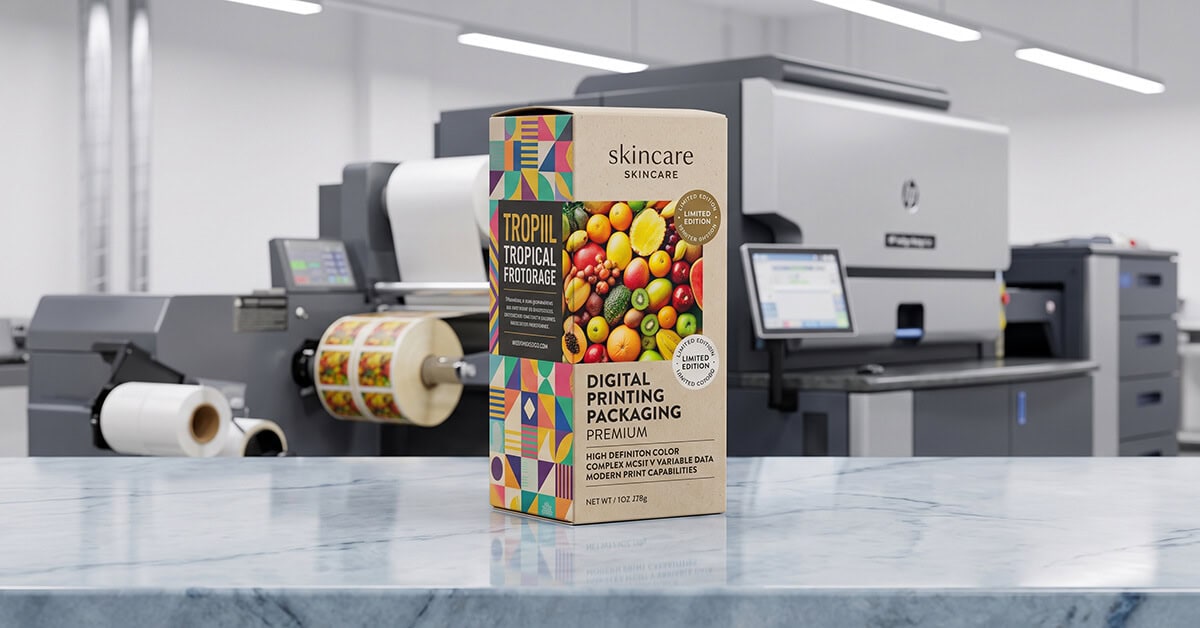
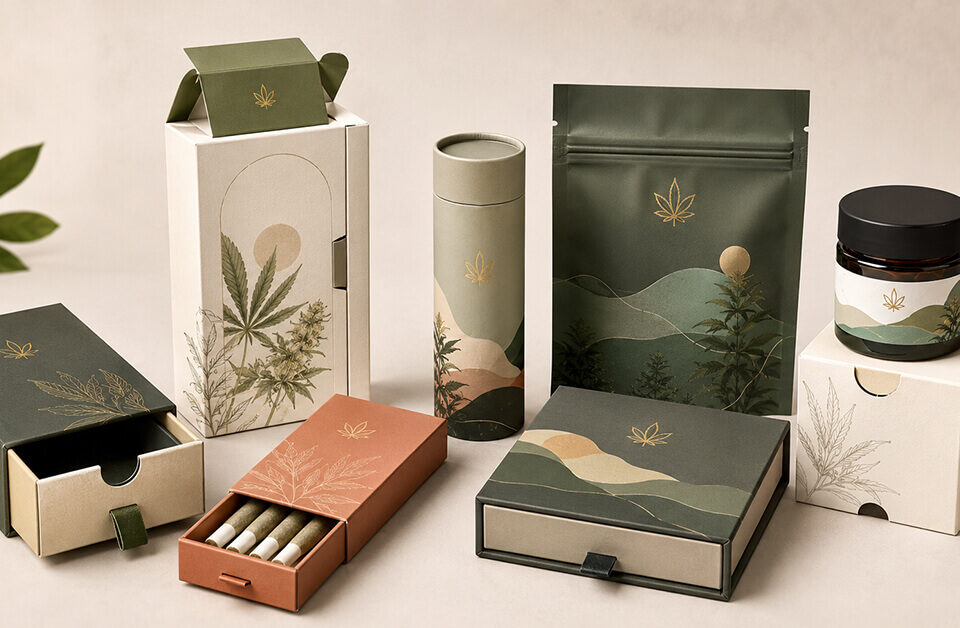
Image generated with Google Gemini
3. Advanced Customization: The Power of Variable Data Printing
Beyond volume flexibility, one of the most powerful capabilities unlocked by digital printing custom packaging is Variable Data Printing (VDP).
Because digital presses read dynamic data on the fly, every single package within a single print run can feature unique graphical or textual elements without stopping the press or increasing production costs. This enables:
- Dynamic Serialization and Regulatory Compliance: Printing unique serial numbers, batch lot codes, and expiration dates directly during the primary print run, removing the need for secondary labeling.
- Track-and-Trace & Smart Packaging: Integrating unique serialized QR codes or Data Matrix codes for product authentication, anti-counterfeiting verification, and supply chain tracking.
- Regional and Multi-SKU Efficiencies: Printing multiple artwork variations, language localizations, or seasonal flavor designs in a single combined batch, eliminating separate minimum order quantity constraints for each SKU.
- Targeted Brand Engagement: Personalizing unboxing experiences with customer-specific messaging, regional artwork, or limited-edition collectible illustrations.
4. Strategic Application: When to Choose Each Method
To maximize procurement efficiency, packaging buyers should align their project specifications with the appropriate printing methodology.
When Offset Printing is the Optimal Choice
- Sustained, Large-Scale Production: Ordering 5,000 to 50,000+ identical units of folding cartons, rigid boxes, or corrugated master shippers.
- Strict Pantone (PMS) Matching: High-volume corporate brands with proprietary color formulas that require exact, press-mixed spot inks rather than four-color process approximations.
- Specialty Inline Finishing: Large-format packaging projects requiring complex inline embellishments, such as heavy blind embossing, debossing, or broad-coverage specialty foil stamping.
When Digital Printing Packaging is the Optimal Choice
- Short-Run and Emerging Product Launches: Producing initial market-entry packaging runs (e.g., 250 to 2,500 units) to test consumer demand without capital risk.
- High-Mix, Multi-SKU Product Portfolios: Brands offering multiple flavors, scent variations, or regional formulations that share identical box dimensions but require distinct artwork.
- Agile Marketing and Limited Editions: Seasonal packaging, promotional kits, co-branded influencer collaborations, and event-specific packaging with short shelf lives.
- Compressed Timelines: Critical launch dates requiring finished, premium packaging delivered within days rather than weeks.
5. The Hybrid Packaging Strategy
Leading brands increasingly refuse to view this as an either/or dilemma.
Instead, they implement a hybrid supply chain model that utilizes both technologies across different stages of a product’s lifecycle.
Under a hybrid approach, a brand leverages digital printing packaging during research and development, pilot launches, and market testing.
Structural mockups, trade show samples, and initial retail rollouts are produced digitally with zero plate investments.
Once retail velocity is established and demand stabilizes into high recurring volumes, the brand transitions the high-volume core SKUs to offset lithography to capture maximum unit-cost efficiencies.
Meanwhile, seasonal flavors, limited-edition variants, and regional SKUs remain on digital presses, maintaining an agile, lean inventory model.
6. Sustainability and Supply Chain Efficiency
Sustainability is no longer an afterthought in packaging procurement—it is a core operational requirement.
Traditional offset setups generate notable paperboard and ink waste during the mechanical make-ready phase, where hundreds of sheets may be run through the press simply to balance ink density and register alignment before production begins.
Digital printing packaging minimizes this material waste by delivering accurate, sellable prints from the very first sheet.
Furthermore, the ability to order exact quantities on demand prevents overproduction—one of the largest contributors to packaging waste.
Brands reduce the risk of holding obsolete packaging inventory in warehouses when graphic updates or regulatory labeling mandates change.
Combined with energy-efficient digital curing systems and eco-friendly toners, digital production offers a substantially smaller environmental footprint for low-to-medium volume orders.
Conclusion: Tailoring the Process to Your Brand’s Objectives
Choosing between offset lithography and digital printing packaging is not a matter of determining which technology is universally superior, but rather identifying which method aligns with your production volume, timeline, budget, and marketing strategy.
Offset lithography remains the unchallenged leader for mass-volume consistency and low unit costs at scale.
However, for growing brands, multi-SKU operations, fast-turnaround launches, and dynamic customization, digital printing packaging delivers unmatched flexibility, speed, and cost efficiency.
Evaluating your batch sizes, SKU diversity, and lead-time constraints will clarify the optimal path forward—ensuring your custom packaging performs exceptionally on the retail shelf while protecting your manufacturing bottom line.