As e-commerce continues to grow, packaging has become a critical element of the shopping experience.
E-commerce packaging not only serves to protect products during transit but also plays a vital role in branding and customer satisfaction.
In recent years, e-commerce packaging has evolved significantly to meet changing consumer expectations and environmental concerns.
The rise of direct-to-consumer business models has pushed brands to rethink how they present their products to customers.
As we look ahead to 2026, e-commerce packaging trends will continue to shape the way businesses engage with consumers and optimize their packaging processes.
In this article, we’ll explore the top e-commerce packaging trends that are expected to dominate the industry in 2026.
From sustainability to advanced technology, these trends will not only impact how products are packaged and delivered but also influence consumer perception and brand loyalty.
What Is E-Commerce Packaging?
E-commerce packaging refers to the packaging used to deliver products from an online store directly to consumers.
Unlike traditional retail packaging, e-commerce packaging needs to withstand the rigors of shipping, protecting products from damage while also creating a positive unboxing experience.
This type of packaging can vary in materials, design, and complexity, from basic shipping boxes to custom e-commerce packaging that is specifically designed to represent a brand’s identity.
The rise of e-commerce packaging solutions has enabled brands to deliver not only functional protection but also a branding opportunity.
With increasing competition, packaging has become more than just a vessel for goods;
it’s now a strategic tool that helps businesses engage customers and differentiate themselves in a crowded market.
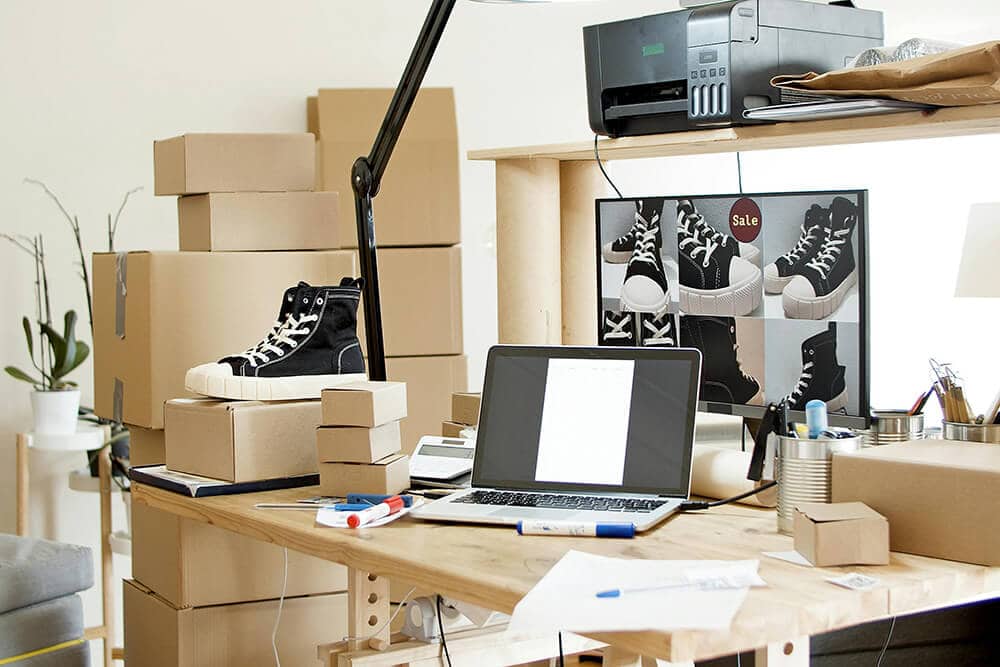
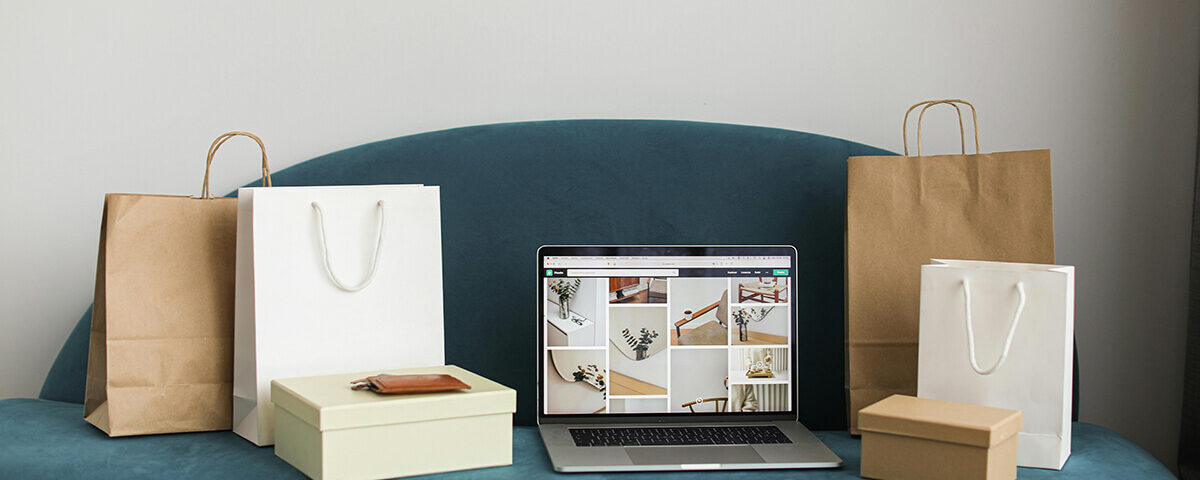
Image Credit: Kampus | Pexels
E-Commerce Packaging Trends for 2026: What to Expect
As we approach 2026, several e-commerce packaging trends are emerging that will shape the future of packaging in the e-commerce sector.
These trends focus on improving the customer experience, enhancing sustainability, and integrating technology into packaging design.
Businesses will need to stay ahead of these trends to remain competitive and meet the evolving demands of consumers.
In the following sections, we’ll dive deeper into the top e-commerce packaging trends expected to drive change in 2026.
Whether you’re a startup or an established e-commerce brand, these trends will help you make informed decisions about your packaging strategy.
Sustainability in E-Commerce Packaging: A Growing Focus
Trend 1: The Increasing Demand for Eco-Friendly E-Commerce Packaging Solutions
Sustainability is no longer just a buzzword—it’s a key factor that consumers now consider when making purchasing decisions.
With growing environmental concerns, brands are turning to eco-friendly e-commerce packaging solutions to reduce waste and their carbon footprint.
In 2026, e-commerce packaging will increasingly focus on using biodegradable, recyclable, and compostable materials.
Brands will also prioritize packaging that can be easily recycled or repurposed, such as custom e-commerce packaging made from post-consumer recycled materials.
Many companies are already incorporating sustainable materials, such as recycled cardboard or plant-based plastics, into their packaging designs.
The trend toward eco-friendly e-commerce packaging will not only appeal to environmentally conscious consumers but also help brands reduce costs associated with packaging waste and materials.
Personalization and Customization in E-Commerce Packaging
Trend 2: The Rise of Custom E-Commerce Packaging to Enhance Branding and Customer Experience
Personalization has become a central aspect of modern consumer experiences, and custom e-commerce packaging is no exception.
In 2026, more brands will leverage custom e-commerce packaging to create a unique and memorable unboxing experience for customers.
By incorporating brand logos, colors, and custom design elements, brands can turn packaging into a powerful marketing tool that reinforces their identity and connects with customers on a deeper level.
Custom e-commerce packaging also allows businesses to deliver a more personalized shopping experience, such as including custom inserts, thank-you notes, or even personalized messages.
The rise of personalized packaging will help businesses foster brand loyalty, drive repeat purchases, and enhance the overall customer experience.
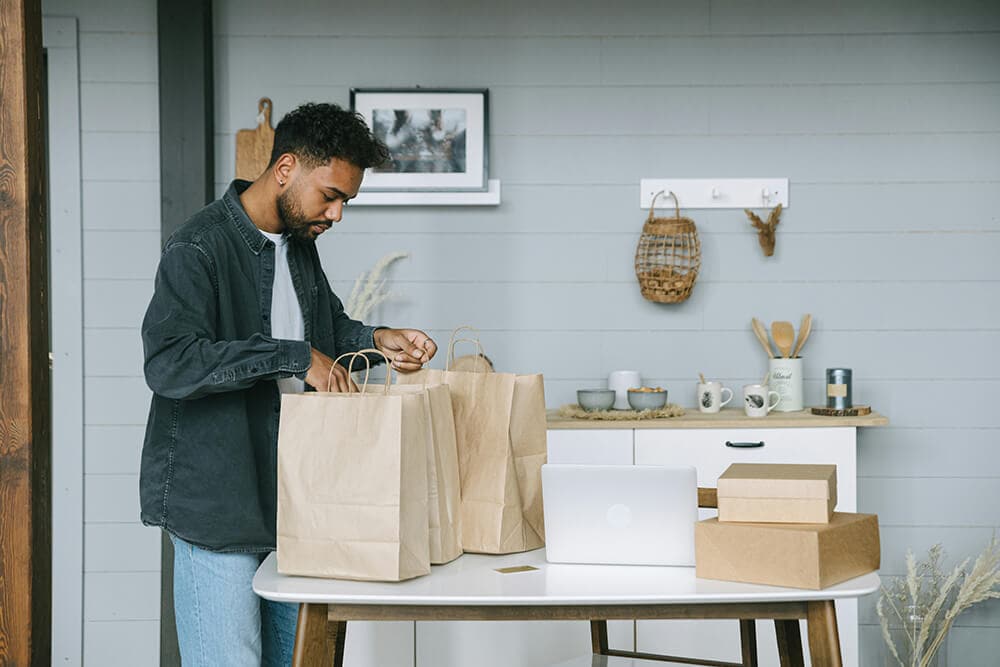
Image Credit: Ivan S | Pexels
Smart Packaging: Integrating Technology with E-Commerce Packaging
Trend 3: The Role of Smart Packaging, Including QR Codes and Augmented Reality (AR) Features
The integration of technology into e-commerce packaging is one of the most exciting trends heading into 2026.
Smart packaging, which includes the use of QR codes, NFC tags, and even augmented reality (AR) features, will allow brands to engage customers in entirely new ways.
These technologies enable consumers to scan packaging with their smartphones to access additional product information, exclusive content, or promotions, enhancing the overall brand experience.
For example, brands can use smart e-commerce packaging to provide detailed product usage instructions, virtual unboxing experiences, or even interactive product demonstrations.
These innovations will help businesses stand out from competitors while offering added value to customers, making e-commerce packaging solutions more interactive and engaging.
Minimalism and Simplified Designs in E-Commerce Packaging
Trend 4: The Shift Towards Minimalist E-Commerce Packaging Designs
In 2026, we will see a continued shift toward minimalist e-commerce packaging.
Consumers are increasingly gravitating toward packaging that is simple, clean, and functional.
The emphasis will be on high-quality materials and design that focuses on the essentials—product protection and brand representation—without unnecessary embellishments.
Minimalist e-commerce packaging not only reduces waste but also appeals to consumers who prefer sleek, modern designs.
This trend towards simplicity does not mean sacrificing brand identity. Brands can still incorporate their logos and key design elements while focusing on minimalistic, eco-friendly materials.
This approach allows for e-commerce packaging solutions that are both cost-effective and visually appealing.
Packaging for Subscription Boxes: A Specialized E-Commerce Packaging Trend
Trend 5: The Rise of E-Commerce Packaging Solutions for Subscription Services
As the subscription box industry continues to grow, the demand for specialized e-commerce packaging solutions for subscription boxes is on the rise.
Subscription box packaging requires designs that are sturdy enough to withstand shipping while offering a unique and memorable unboxing experience.
Brands will continue to innovate with custom e-commerce packaging that reflects the unboxing excitement and enhances customer loyalty.
In 2026, expect to see subscription box packaging that includes personalized touches, sustainable materials, and innovative designs.
Packaging that is reusable, eco-friendly, or easily recyclable will be highly valued by consumers who subscribe to these services regularly.
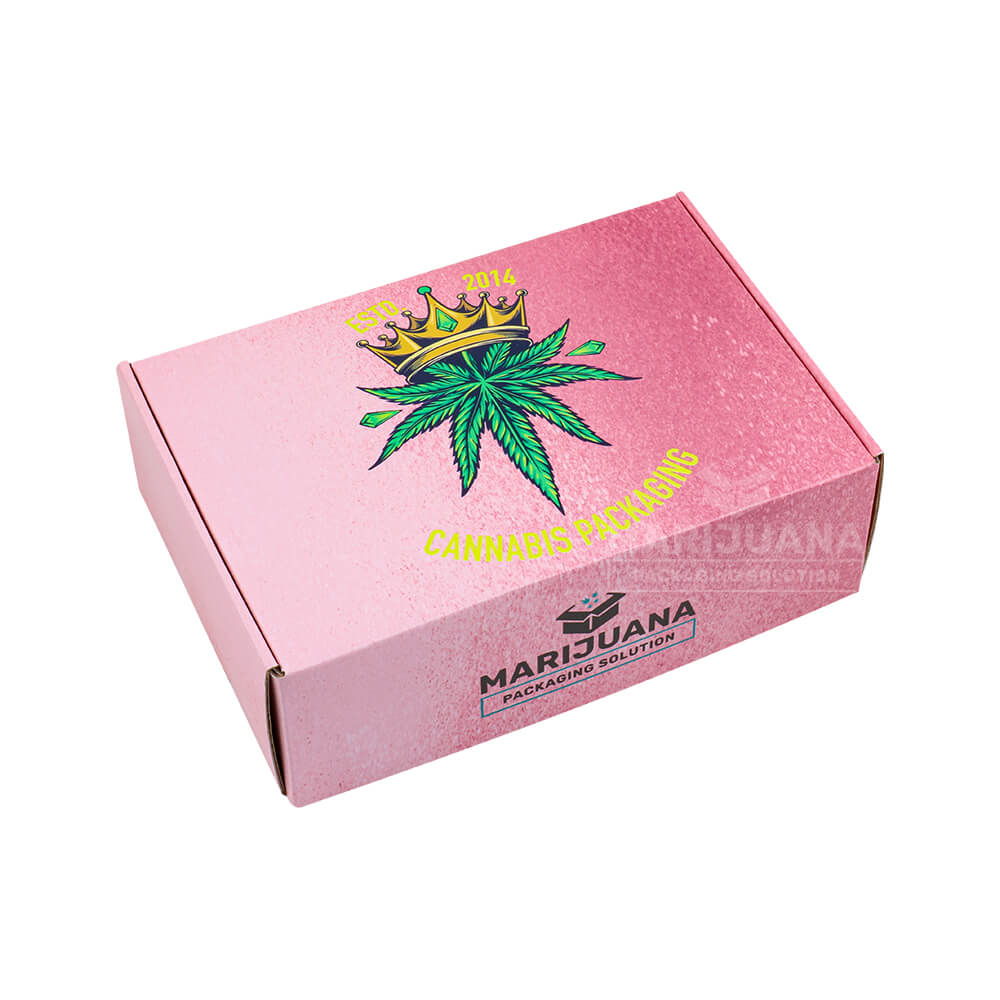
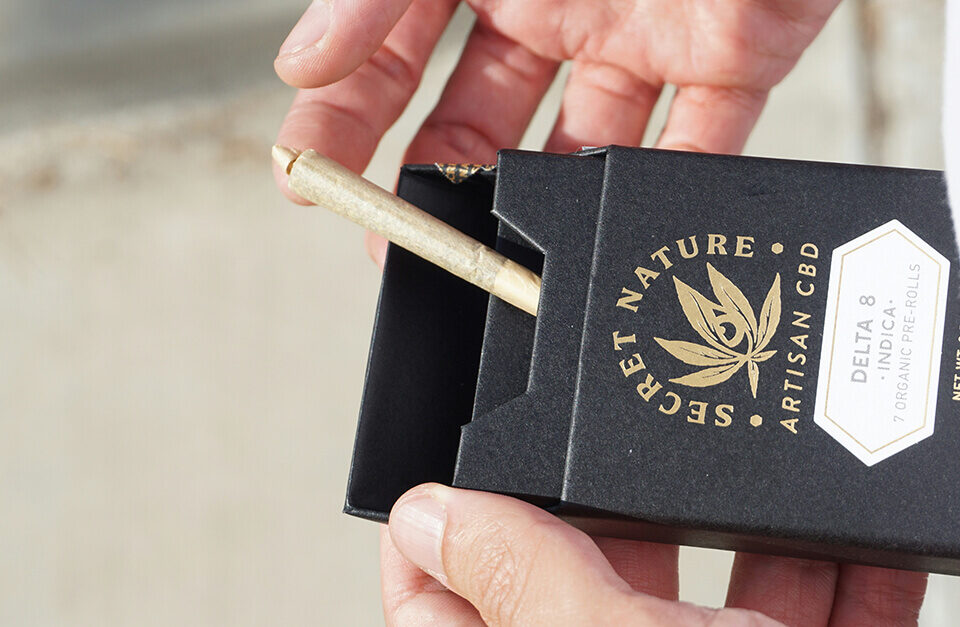
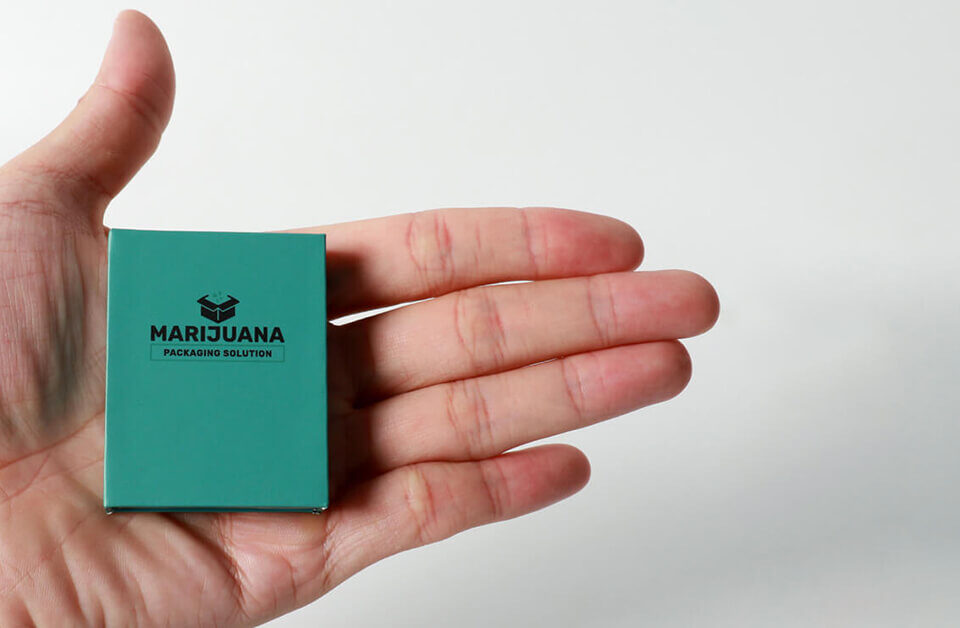
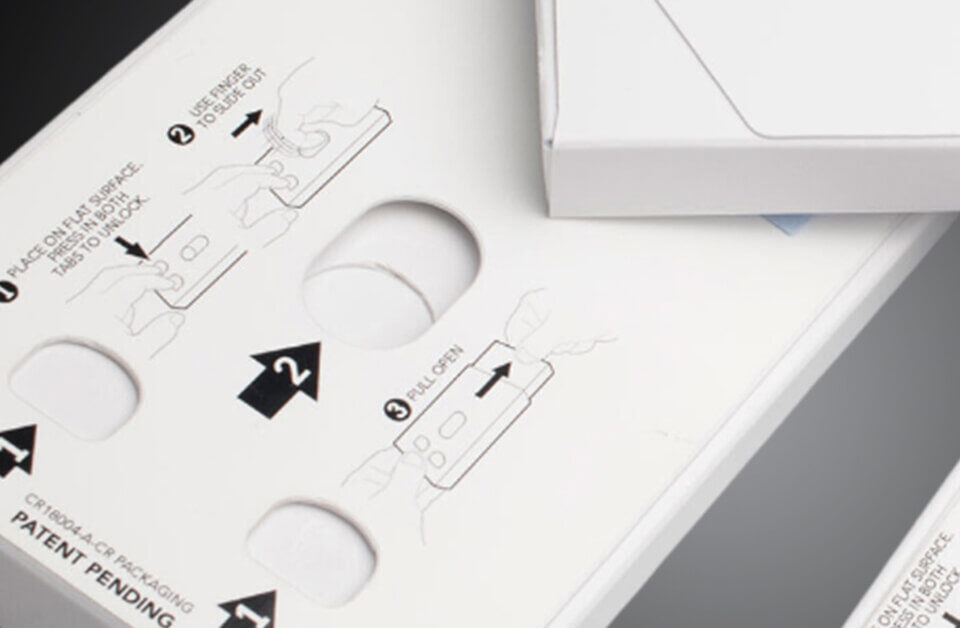
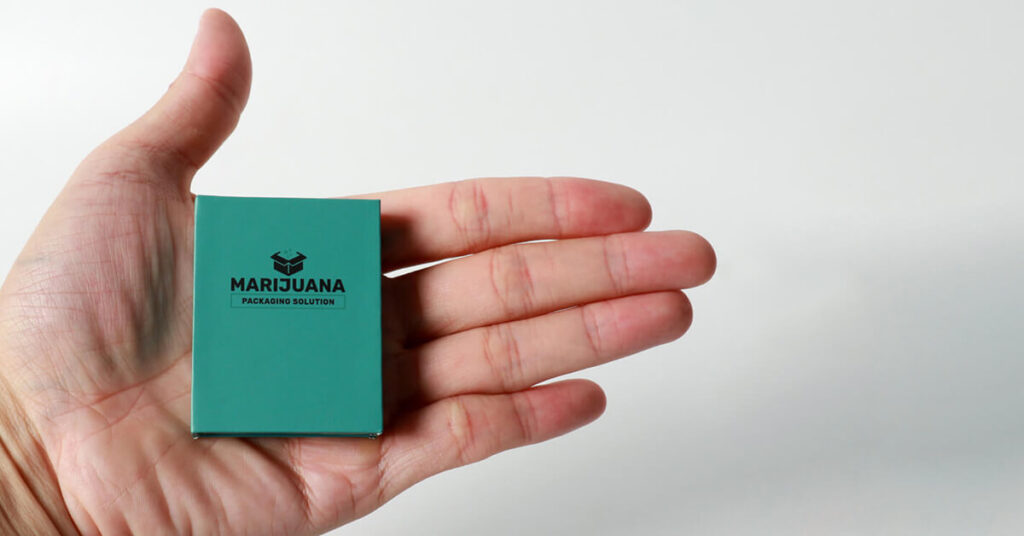
Enhance your packaging with a custom tuck top mailer box featuring eye-catching cannabis branding
The Future of E-Commerce Packaging: Innovations to Watch
Trend 6: Innovative Packaging Technologies on the Horizon
Looking ahead to 2026 and beyond, we can expect significant innovations in e-commerce packaging.
Technologies such as packaging automation, 3D-printed packaging, and smart materials will revolutionize the way products are packaged, shipped, and experienced by consumers.
These advancements will make e-commerce packaging solutions more efficient, sustainable, and consumer-friendly.
For example, 3D-printed packaging could allow for highly customized designs at a lower cost, while smart materials might adapt to environmental conditions during shipping to ensure the product is protected at all times.
These innovations will streamline packaging processes and improve the overall customer experience.
As the e-commerce industry continues to evolve, staying ahead of e-commerce packaging trends will be crucial for businesses looking to differentiate themselves in a competitive market.
From sustainability to personalization, and smart packaging to innovative technologies, the e-commerce packaging solutions of 2026 will shape the future of online retail.
By embracing these trends, brands can enhance customer satisfaction, strengthen their brand identity, and improve their bottom line.
Now is the time to start planning for the future of e-commerce packaging and positioning your brand for success in 2026 and beyond.