In today’s highly competitive packaging industry, selecting the right printing method can make or break your brand’s visual impact and production efficiency.
As a custom packaging professional, I’ve seen firsthand how the right technology can influence not just cost and quality—but also brand perception and sustainability.
Two of the most widely used techniques, flexographic printing and offset printing, offer distinct advantages depending on the material, design complexity, and production volume.
This post offers a comprehensive, side-by-side comparison of flexographic printing and offset printing—from their underlying technologies and substrates to ink types, production speeds, and long-term cost implications.
Whether you’re a packaging engineer or a cannabis business owner looking for scalable solutions, I’ll walk you through the technical nuances that will help you make an informed decision.
Let’s take a closer look at what sets these two methods apart—and which one might be the best fit for your next packaging project.
Introduction to Printing Technologies
Printing is a cornerstone of product branding and packaging, especially in industries requiring high-volume, consistent results.
Two of the most widely used commercial printing methods are flexographic printing and offset printing.
Each has its own strengths and limitations, and the decision between the two depends on materials, turnaround time, print volume, and budget.
In this post, I’ll break down both technologies and help you understand how to evaluate them for your needs.
What is Flexographic Printing?
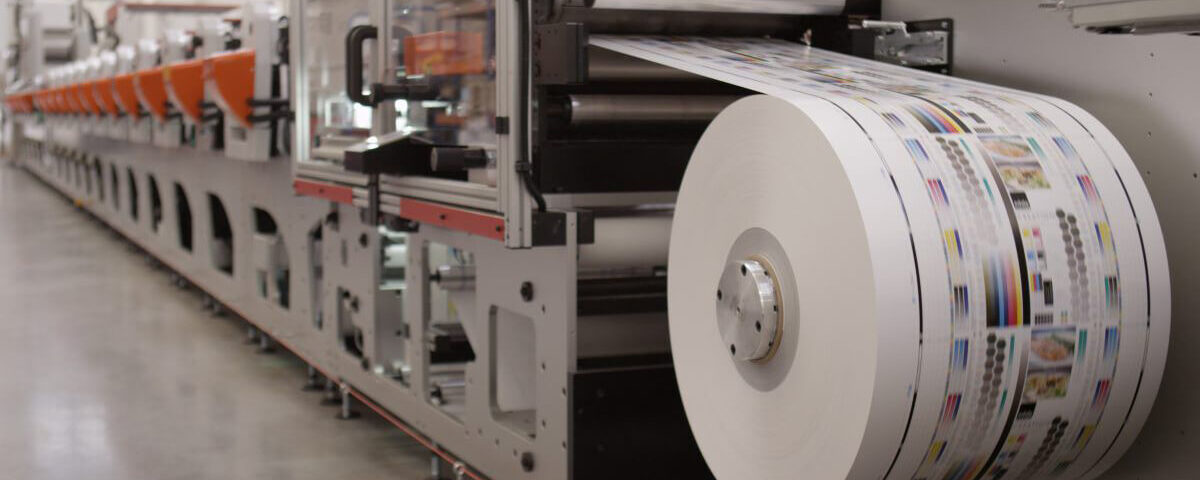
Flexographic printing is a high-speed rotary printing method that uses flexible plates to transfer ink onto various substrates.
This technology has gained traction in the packaging sector, particularly for printing on plastic films, corrugated cardboard, labels, and flexible packaging.
What makes flexographic printing so versatile is its compatibility with a wide range of materials and rapid setup.
A flexographic printing press consists of an anilox roller that meters ink to the flexible plate, which then transfers the ink onto the substrate.
The simplicity of this process contributes to faster production speeds and reduced costs for long runs.
Flexographic printing machines are ideal for packaging applications because they allow for inline processes like laminating, die-cutting, and varnishing.
What is Offset Printing?
Offset printing is a more traditional method that relies on transferring ink from a plate to a rubber blanket and then to the substrate.
Known for delivering sharp image quality and accurate color reproduction, offset printing works best with flat materials like paper, cardstock, and magazines.
Unlike flexographic printing, offset technology is better suited for projects where image detail and quality are critical.
However, its slower setup time and higher upfront costs make it less ideal for short runs or highly customized packaging projects.
Technical Comparison: Flexo vs. Offset
When comparing flexographic printing with offset printing, the main distinctions lie in speed, cost, substrate flexibility, and maintenance.
Flexo systems are engineered for speed and scalability, with modern flexographic printing presses achieving thousands of impressions per hour.
The flexographic printing process uses fast-drying, water-based inks for flexographic printing, which further accelerates production and reduces environmental impact.
On the other hand, offset printing excels in image clarity.
It supports more sophisticated color separations and fine detail, especially when paired with high-quality paper.
But this clarity comes at the cost of slower turnaround and higher material waste during setup.
Substrate Versatility
One major reason I often recommend flexographic printing is its compatibility with diverse substrates.
Whether you’re printing on foil, kraft paper, plastic films, or even non-porous materials, flexographic printing technology can handle it.
This is especially valuable in industries like food packaging, pharmaceuticals, and cannabis branding, where packaging materials vary widely.
Offset printing, by contrast, is largely limited to paper-based substrates. So, if you’re working with irregular or flexible surfaces, flexo remains the more adaptable option.
Plate and Ink Technologies
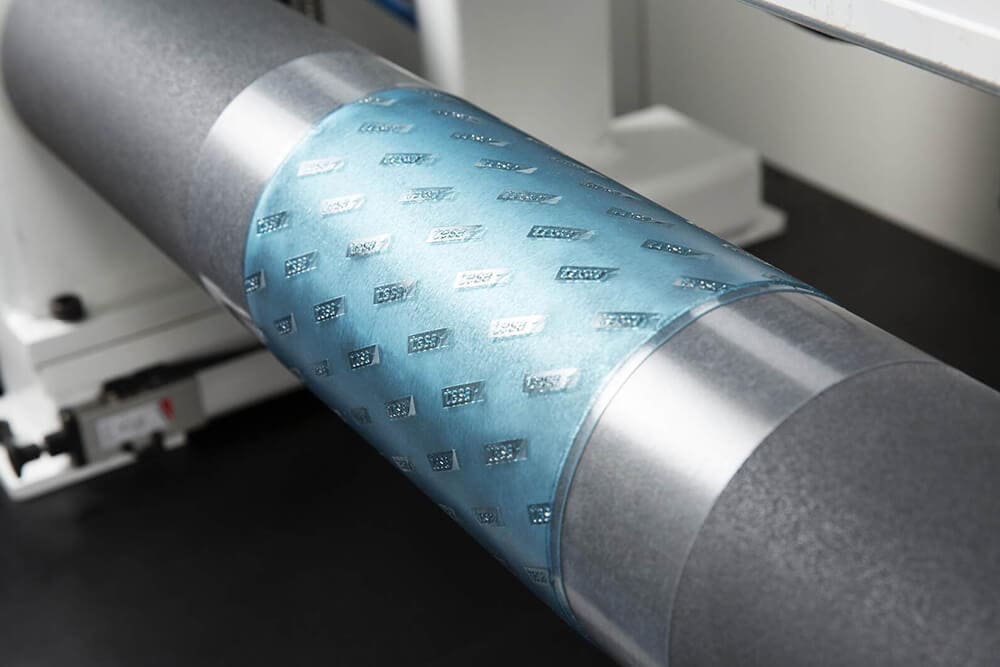
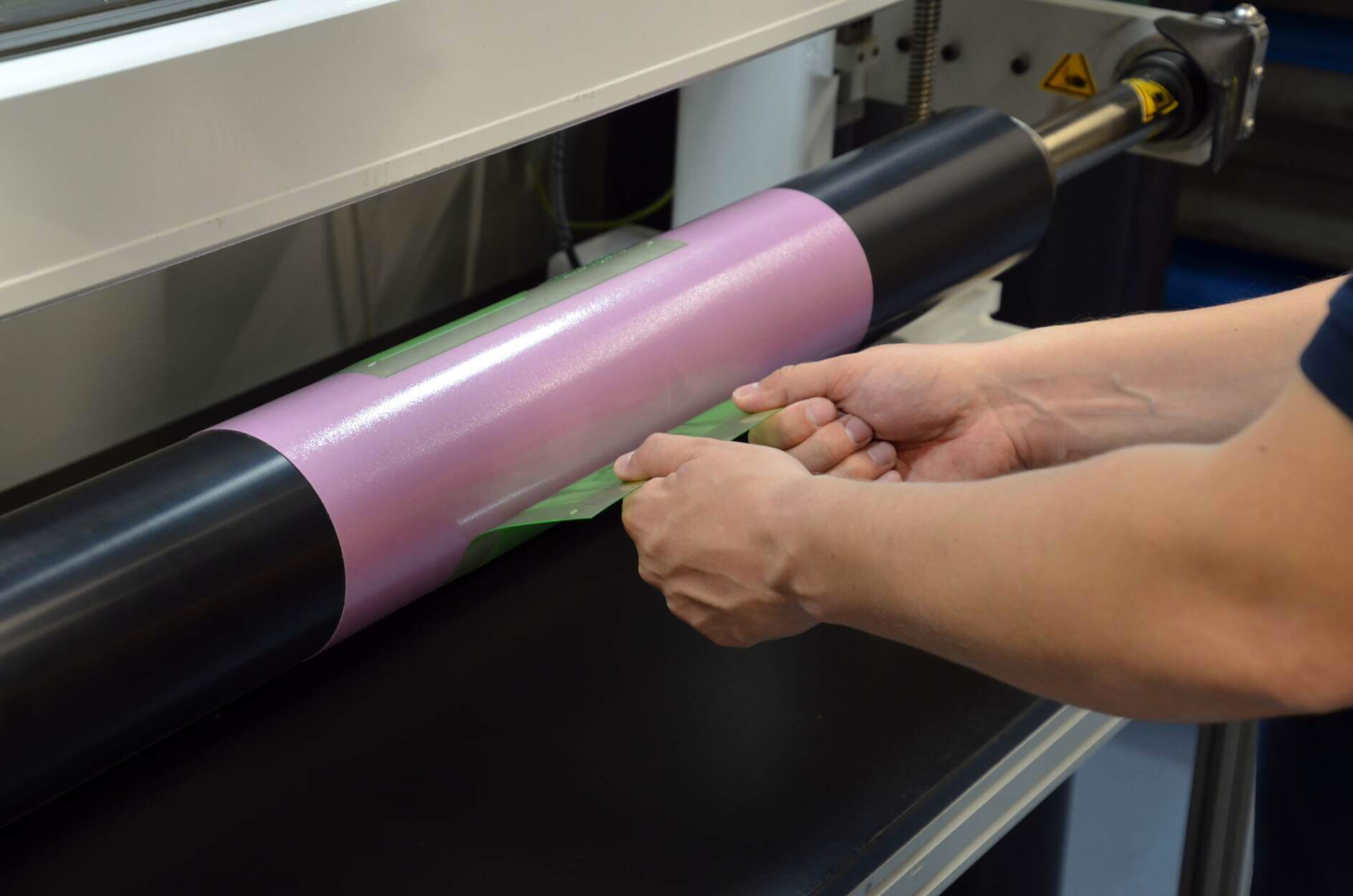
The role of flexographic printing plates is critical. These photopolymer plates are durable and reusable, offering consistent results across long runs.
Paired with water-based inks for flexographic printing, the technology supports sustainable practices and reduces VOC emissions.
Offset printing relies on aluminum or polyester plates and uses oil-based or UV inks.
While the image quality may be slightly higher, the environmental footprint and setup costs are greater than with flexo.
Flexographic Label Printing for Packaging
In the flexographic printing industry, label printing is one of the most rapidly growing sectors.
Brands across cannabis, food, and personal care are investing in flexographic label printing because it offers full-color results, high-speed production, and cost efficiency.
I’ve seen many cannabis brands reduce lead time by switching from digital to flexo labels without compromising quality.
Cost Considerations and Production Efficiency
From a cost-efficiency standpoint, flexographic printing is ideal for high-volume projects. Once the plates are made, the per-unit cost drops significantly.
The quick-drying inks and inline processes also reduce labor and production time. Offset, while precise, tends to be more expensive per unit unless the volume is massive.
For cannabis brands, especially those scaling up or handling various SKUs, custom flexographic printing offers long-term savings and agility.
Choosing the Right Printing Method for Your Packaging
Your choice between flexographic printing and offset printing should align with your packaging goals.
If you need short runs with intricate artwork on paper, offset may be the way to go.
But if you’re managing large-volume cannabis SKUs, varied packaging substrates, and need a fast turnaround, flexographic printing is your best bet.
I always advise evaluating your substrate, branding needs, volume, and environmental goals before making a decision.
Choosing between flexographic printing and offset printing ultimately depends on your specific project needs, including budget, substrate, print run length, and turnaround time.
Flexographic printing excels in high-speed, high-volume applications and is ideal for flexible packaging, labels, and corrugated materials.
In contrast, offset printing offers unmatched color fidelity and precision for detailed graphics and rigid substrates.
Both technologies have evolved significantly, with innovations like water-based inks for flexographic printing and high-resolution offset printing presses pushing the boundaries of quality and sustainability.
By understanding the core differences in technology, plate systems, and operational strengths, you can select the printing process that aligns best with your product goals, regulatory requirements, and brand identity.