
Holographic Paper
If you're looking to make your cannabis packaging pop—literally—holographic paper might just be your new best friend.
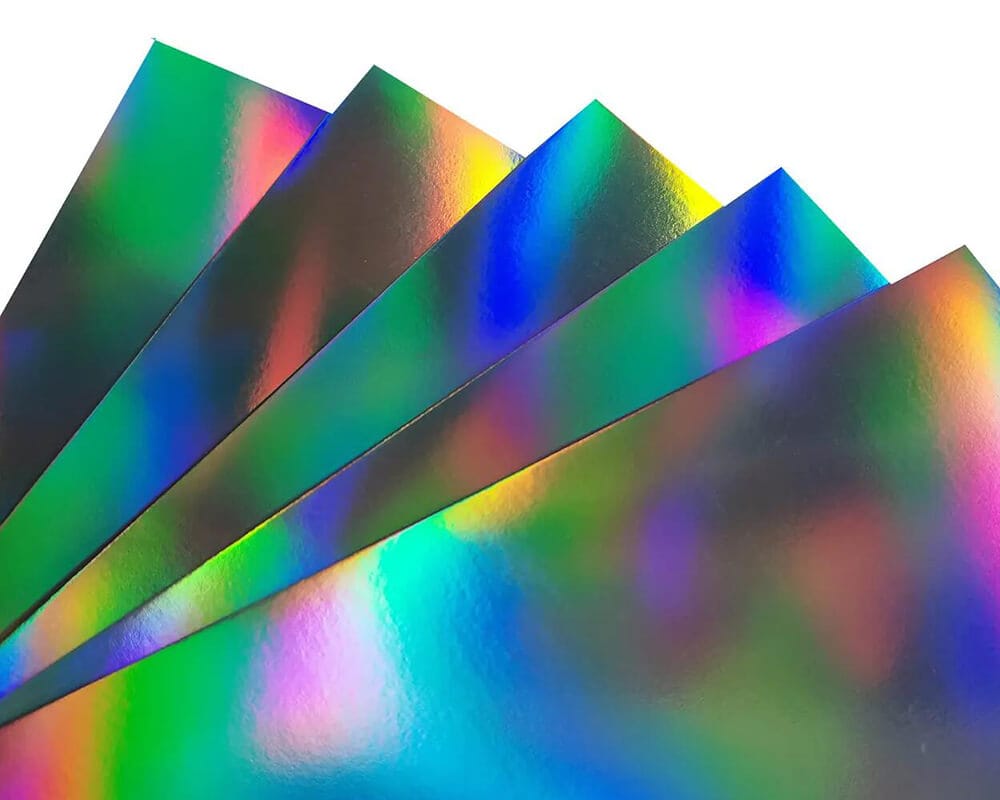
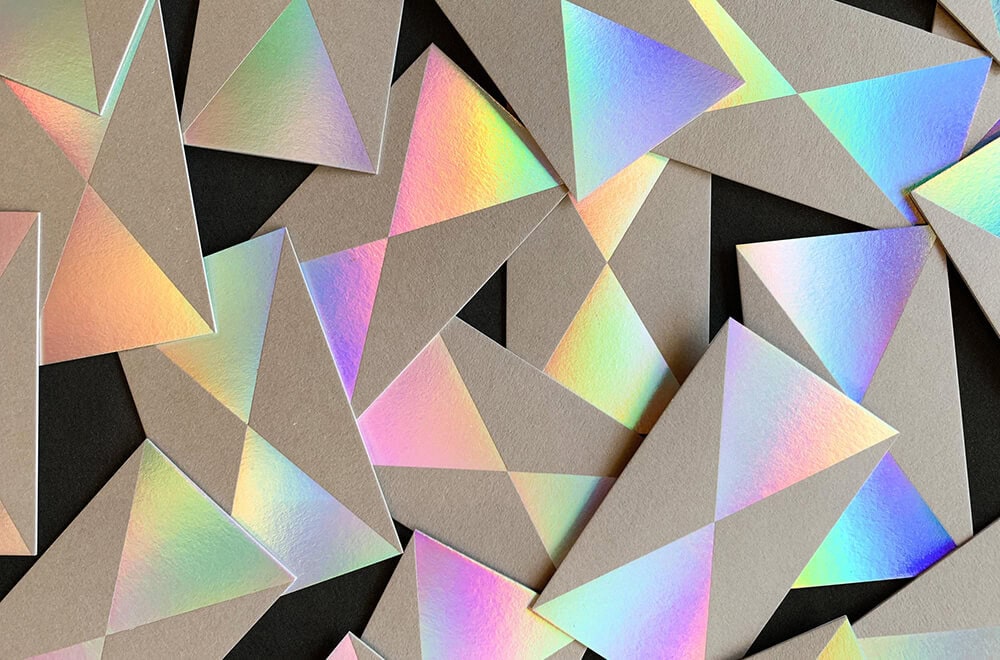
This specialty paper isn’t just shiny for the sake of being flashy; it’s designed to refract light and create a rainbow-like, 3D effect that instantly catches the eye. Whether you're launching a limited-edition product, targeting a trend-savvy audience, or just want your packaging to look next-level, holographic paper adds that futuristic, high-energy vibe. It’s a bold move that screams premium—and when used strategically, it can take your brand from shelf space to statement piece.
1
What Is Holographic Paper?
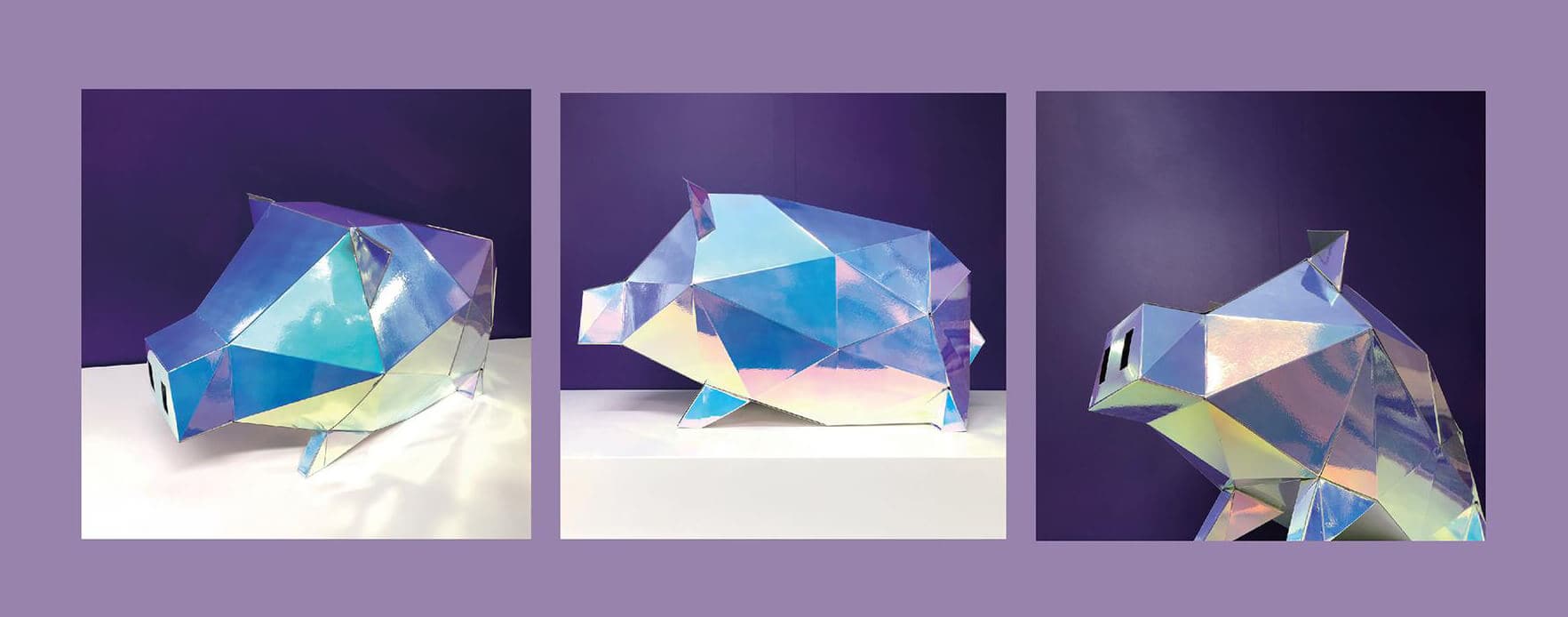
Holographic paper is a type of specialty paper that features a multi-dimensional, rainbow-reflective finish. Unlike regular printed finishes, the holographic effect isn’t just about color—it’s about light diffraction. That’s what gives it that shimmering, 3D, almost animated look when it moves under light.
2
What’s Holographic Paper Made of?
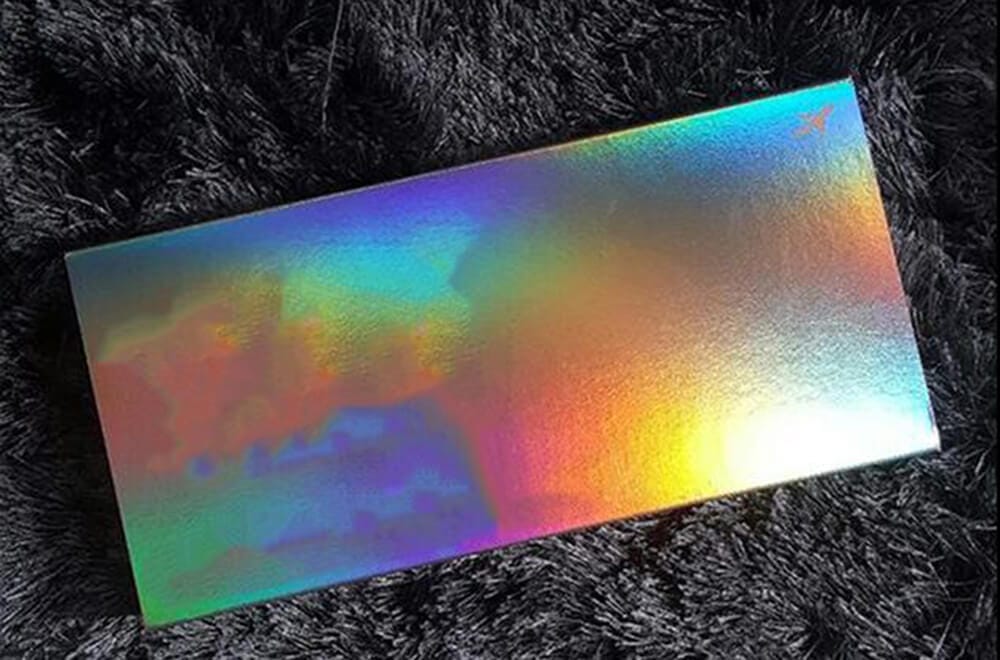
At its core, holographic paper usually starts with a standard paper or paperboard base—often kraft or SBS (solid bleached sulfate). On top of that, it’s laminated with a thin film of PET (polyester) that has been embossed with microscopic patterns. These embossed grooves bend and reflect light at different angles, creating the signature rainbow or metallic sheen.
To seal the effect and make it packaging-ready, the paper is coated with a protective lacquer or lamination layer, which makes it print-friendly and adds durability.
3
What Makes It Different?
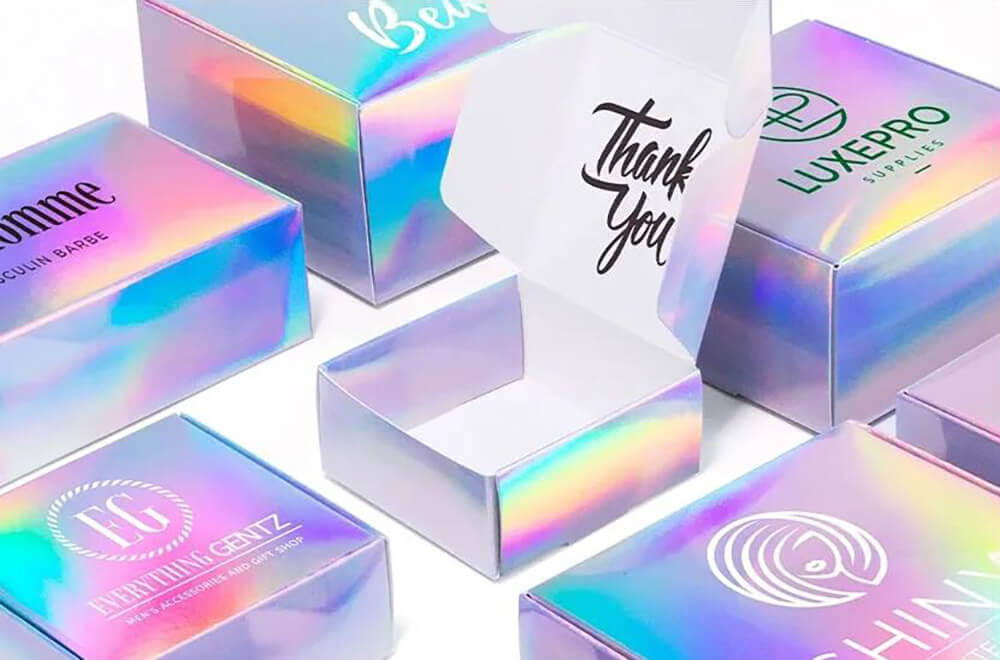
The big difference between holographic paper and standard coated or matte paper is the visual impact. Most finishes either absorb or reflect light uniformly—holographic paper diffracts it. This creates motion, dimension, and high visibility, even in low lighting.
It’s not just “shiny paper”—it’s engineered to catch the eye, turn heads, and elevate perceived value. That’s why it's often used in luxury cannabis packaging, limited edition drops, and product lines targeting Gen Z or premium markets.
If you're all about standing out in dispensaries or on Instagram, holographic paper brings both the vibe and the wow-factor.
Benefits of Holographic Paper in Custom Packaging
Ready to Customize Your Holographic Boxes?
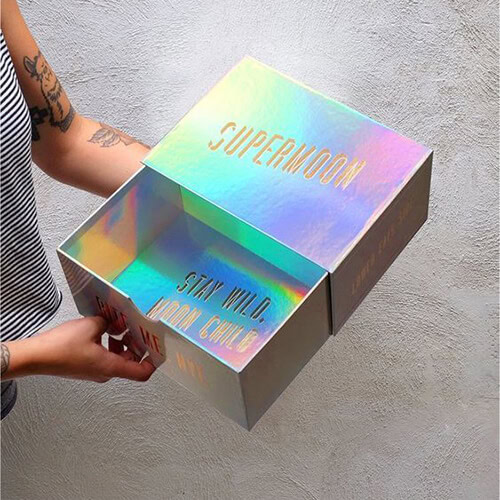
Holographic Paper vs. Holographic Foiling:
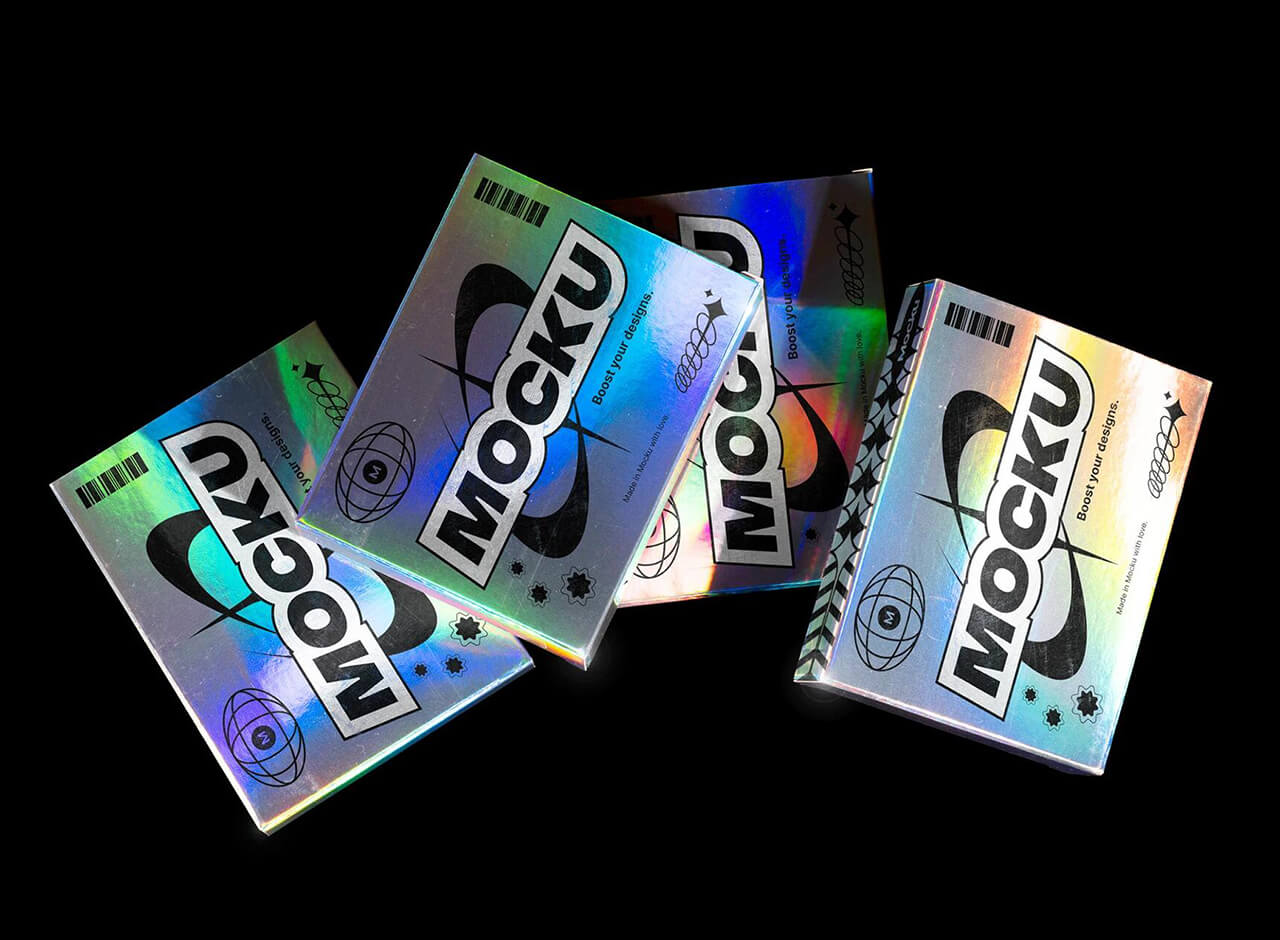
Holographic Paper
A full sheet of paper or paperboard covered in a holographic film layer (often PET) that gives the entire surface a rainbow or metallic shine.
Coverage: The entire surface is holographic—top to bottom.
Effect: Bold, vibrant, and highly reflective. It creates a loud, high-energy visual impact.
Best Used For:
- Cannabis product boxes that need to stand out on shelves
- Limited edition packaging
- Youth-oriented or lifestyle brands
- Products where you want the whole box to pop
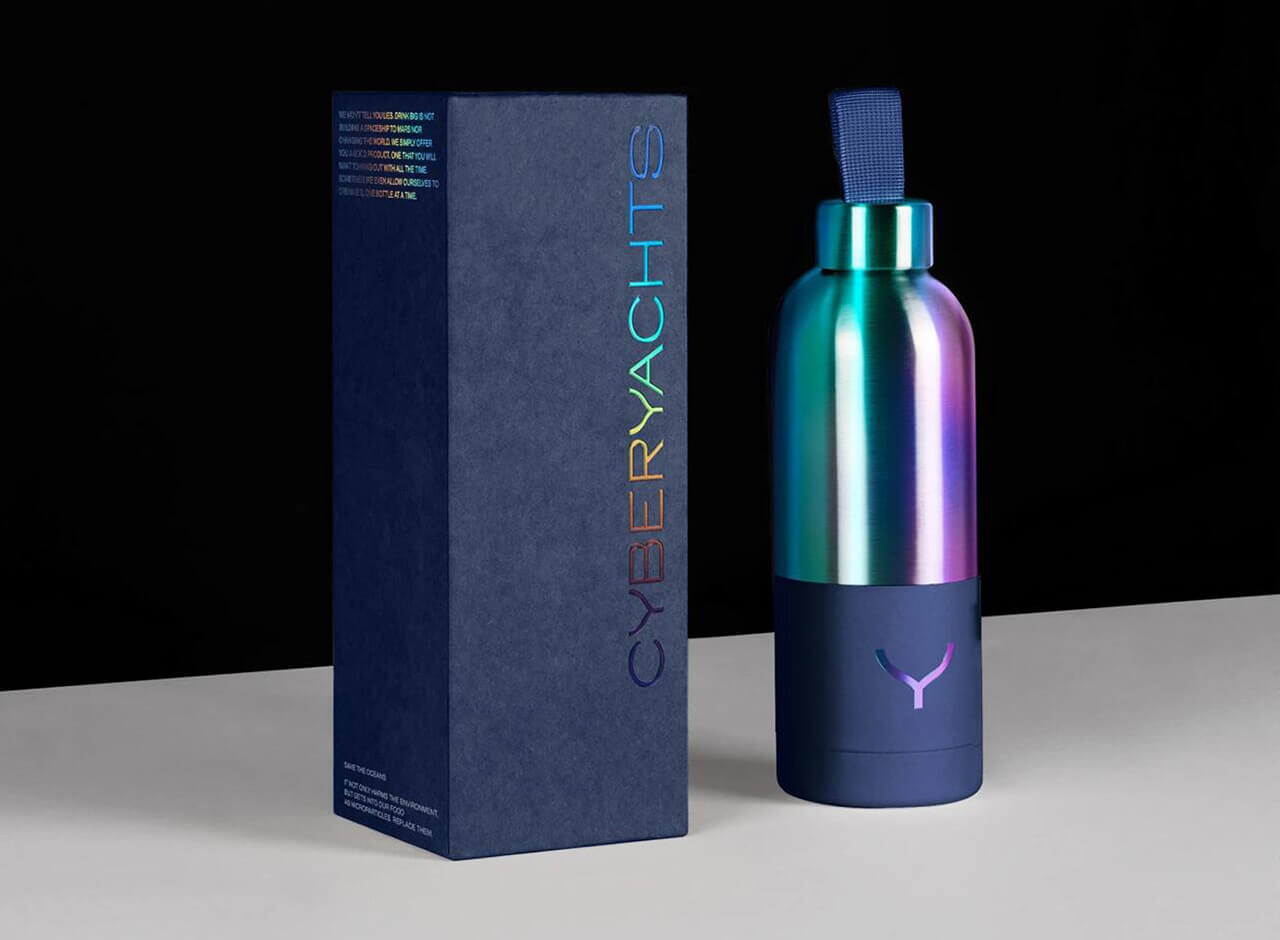
Holographic Foiling
A design accent applied to specific areas of your packaging using heat and pressure (like stamping). Only the foil-stamped sections reflect light.
Coverage: Selective, used for logos, patterns, or borders.
Effect: Subtle, premium, and more sophisticated than full holographic coverage.
Best Used For:
- Luxury cannabis lines
- Minimalist packaging designs
- Brands that want a touch of sparkle without going over the top
- Adding flair to kraft or matte packaging
How to Choose?
Choose Holographic Paper
if you want maximum visual impact and a bold, energetic design—especially for pre-rolls, vape cartridges, or promo kits.
Choose Holographic Foiling
if you prefer a refined, elegant look, or you’re designing around eco-friendly materials like kraft paper and just want a hint of shine.
Surface Treatments for Holographic Paper Packaging
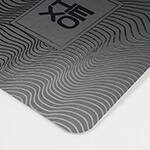
✅ UV Coating (Spot or Full)
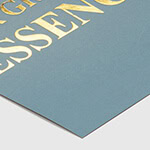
✅ Foil Stamping (Including Additional Colors)
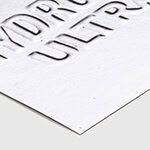
✅ Embossing / Debossing
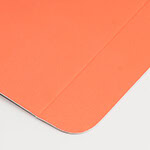
✅ Soft-Touch Lamination
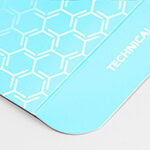
✅ Matte Lamination
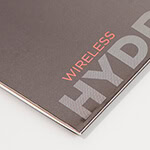
✅ Gloss Lamination
Holographic Paper & White Ink
✅ To Block Out the Background
Holographic paper is bold—sometimes too bold. Without a base layer, your printed design (like text or logos) can get lost in the rainbow reflection. White ink acts as a “base coat” to block the holographic effect underneath specific areas so other printed colors can stand out clearly.
✅ To Enhance Readability
Text printed directly on holographic paper can be hard to read due to the shifting light and colors. Laying down white ink underneath text or label areas creates a neutral background, making typography sharper and more legible.
✅ To Create Contrast and Layering
Designers often use white ink strategically to control where the holographic effect shows through and where it doesn’t. This creates a layered, dimensional look—combining matte white areas with the shiny rainbow effect elsewhere on the same surface.
✅ To Support Color Accuracy
Printing full-color graphics on holographic paper without a white base can distort the intended colors because the holographic finish reflects light through the ink. A layer of white ink ensures that colors appear true to design and consistent across your packaging.
When Should You Use White Ink?
Using white ink on holographic paper gives you creative control
- For logos, text, or illustrations that need to stand out clearly
- On compliance labels or dosage info for cannabis packaging
- When you want to use both holographic and matte elements on the same box
- In high-end packaging where legibility and design balance matter