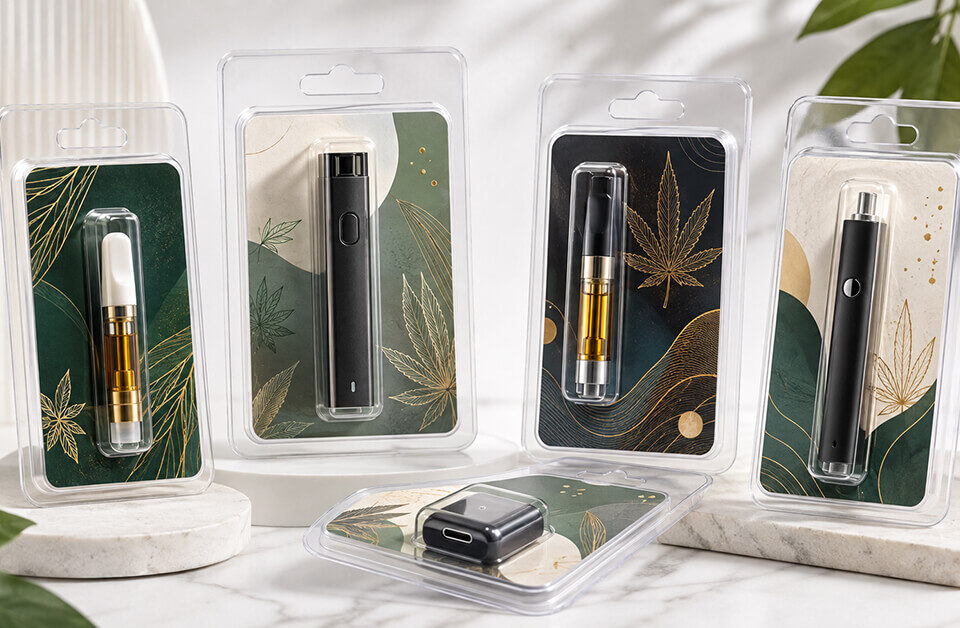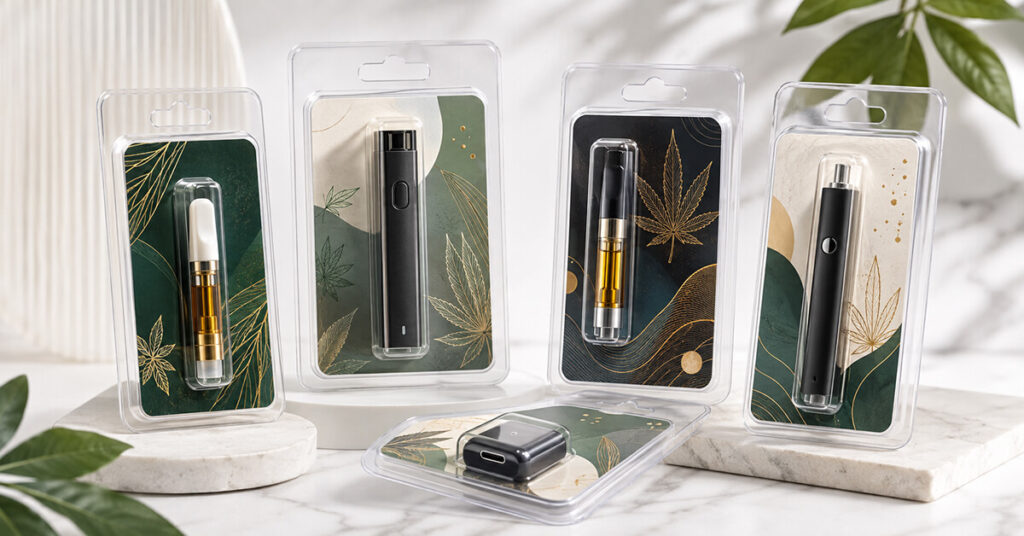

Modern consumers demand sustainable packaging.
Retailers and cannabis brands face immense pressure to deliver eco-friendly solutions.
As a packaging expert, I frequently hear one specific question from brand owners: is kraft paper recyclable?
While natural materials offer an excellent ecological foundation, your structural choices—specifically coatings, inks, and finishes—significantly alter their eco-friendly profile.
This guide explores how your design decisions impact the sustainability of your packaging.
The Natural Foundation: Is Brown Kraft Paper Recyclable?
When clients ask, “is brown kraft paper recyclable?”, I always provide an enthusiastic yes.
Manufacturers create this base material using the unbleached pulp of pine trees.
This manufacturing process retains the long, strong wood fibers.
Municipal recycling facilities process these unbleached, uncoated materials with exceptional efficiency.
Because the fibers remain robust, recycling centers recover a massive percentage of this material, turning old boxes into new packaging with ease.
When you choose an uncoated, natural box for your cannabis flower or tincture, you guarantee a highly sustainable lifecycle.
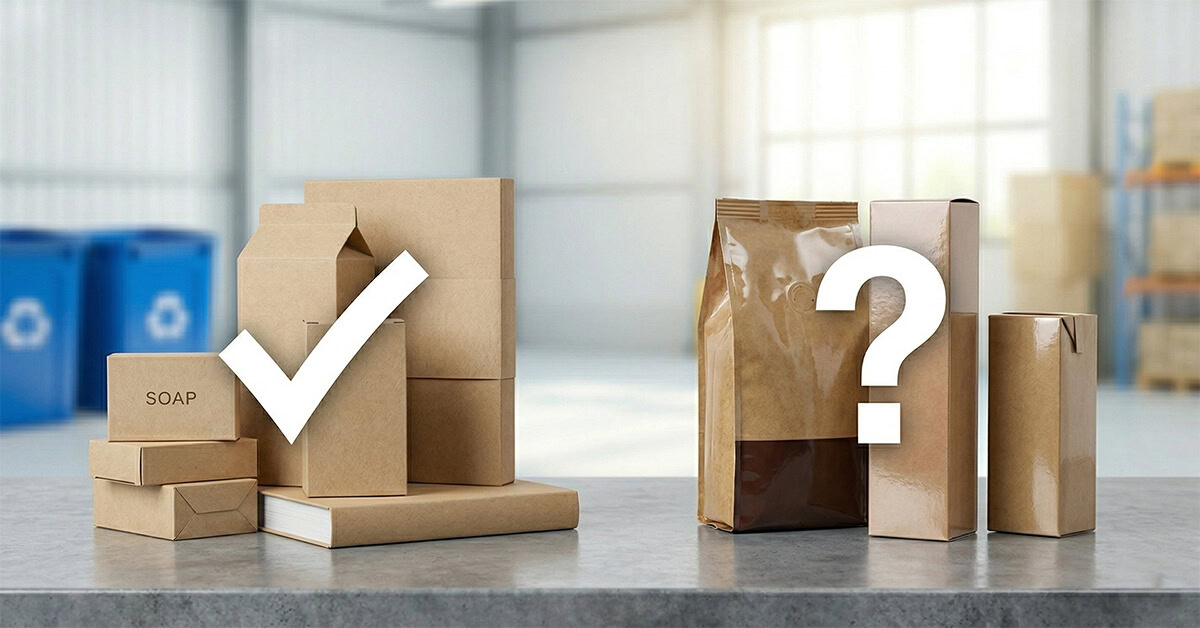
Image generated with Google Gemini
Customizing Your Brand: Is Coloured Kraft Paper Recyclable?
Brands often want to stand out on the dispensary shelf, prompting the question: is coloured kraft paper recyclable?
The answer depends entirely on the dyeing process.
Manufacturers often introduce color to the paperboard during the pulping stage or apply it as a surface wash.
If your packaging partner uses water-based, eco-friendly dyes, recycling centers handle the dyed fibers exactly like natural fibers.
The water processing at the plant easily washes away these safe dyes.
However, harsh chemical colorants or heavy metallic dyes contaminate the recycling vat. You must specify eco-friendly dyes to maintain the material’s recyclability.
Adding Logos and Text: Is Printed Kraft Paper Recyclable?
Cannabis packaging requires extensive regulatory text and prominent logos.
Therefore, you must ask: is printed kraft paper recyclable?
Again, your material choices dictate the answer.
Traditional petroleum-based inks complicate the de-inking process at the recycling plant.
The facility must use aggressive chemicals to strip petroleum inks from the paper pulp.
Conversely, modern soy or vegetable-based alternatives wash away effortlessly.
To ensure your packaging remains eco-friendly, you should mandate soy-based inks for all your branding assets, dosage instructions, and compliance text.
This choice ensures that consumers can confidently recycle the box.

Image generated with Google Gemini
The Coating Dilemma: How Finishes Change the Answer to “Is Kraft Paper Recyclable?”
We now arrive at the most critical factor. When brand managers ask, “is kraft paper recyclable?”, they often forget to consider the finish.
Designers add coatings, such as PE (polyethylene) laminations, aqueous coatings, and spot UV finishes, to create a premium glossy feel or provide moisture resistance.
However, these additions fundamentally change the material.
People ask, “is kraft paper recyclable?” assuming the base material dictates the final product.
The hard truth reveals that thick plastic laminations bond permanently to the paperboard.
Recycling facilities cannot separate the plastic from the paper, meaning the entire box goes to the landfill.
If you want a positive answer to “is kraft paper recyclable?”, you must avoid thick plastic lamination.
Instead, you can choose sustainable alternatives like water-based barrier coatings or compostable cellulose films.
These eco-friendly options protect your cannabis products while preserving the recyclability of the box.
Knowing exactly what goes onto the surface helps you definitively answer the question: is kraft paper recyclable?
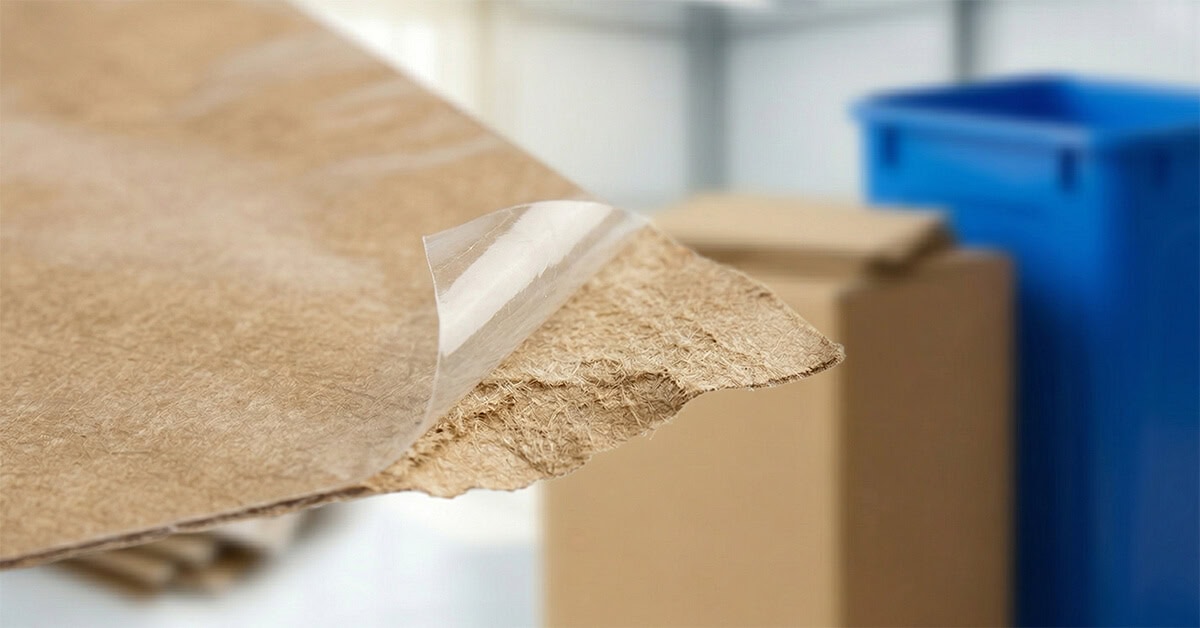
Image generated with Google Gemini
The Ultimate Eco-Standard: Is Kraft Paper Biodegradable and Recyclable?
Sustainability encompasses more than just the recycling bin.
Environmentally conscious consumers frequently ask: is kraft paper biodegradable and recyclable?
We must define the distinct difference between these two terms.
Recyclability means a facility can re-process the material into new products.
Biodegradability means nature can break the material down completely without leaving toxic residue.
A pure, uncoated box achieves both standards. Microorganisms consume the natural wood fibers rapidly in a compost environment.
However, synthetic add-ons instantly destroy the biodegradable qualities of the packaging.
A plastic-coated box will sit in the soil for centuries.
To ensure you offer the ultimate eco-standard, you must keep the materials pure. Asking “is kraft paper recyclable?” represents only the first step.
True sustainability requires you to examine the complete end-of-life cycle.
You guarantee a positive environmental impact when your design ensures a “yes” to “is kraft paper recyclable?” without relying on plastic films.
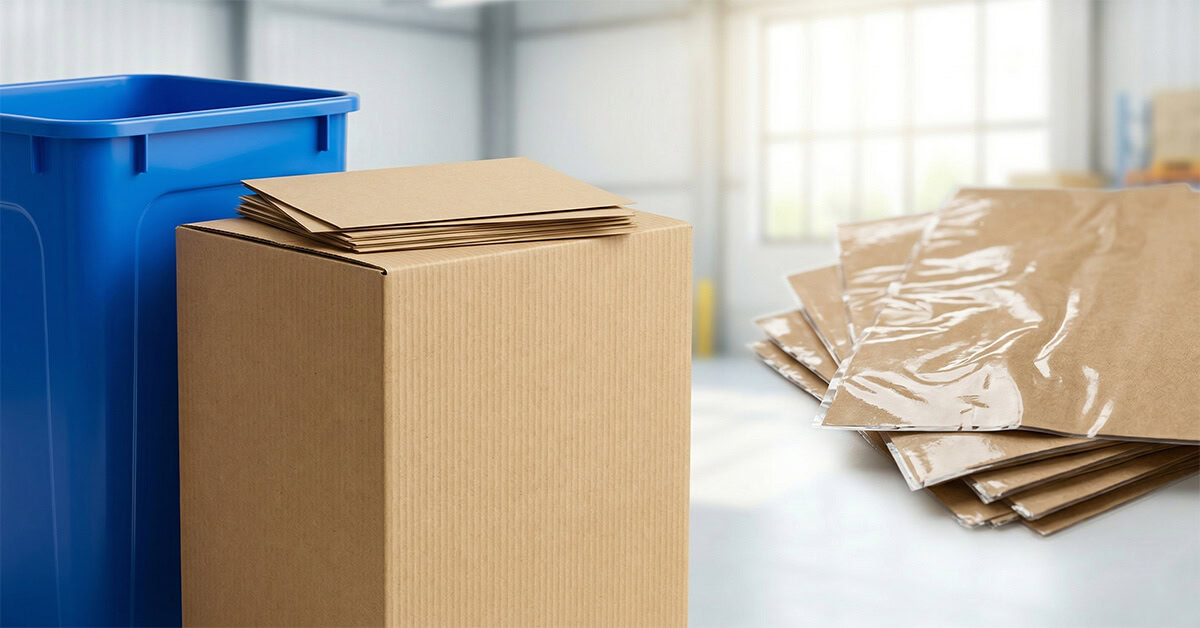
Image generated with Google Gemini
Conclusion
Your structural and design choices dictate the environmental footprint of your packaging.
The base material provides a fantastic start, but inks, dyes, and coatings hold the power to either save or destroy that eco-friendly foundation.
So, for the final verdict: is kraft paper recyclable?
Yes, facilities process it effortlessly, provided you choose water-based inks, eco-friendly dyes, and natural finishes. Do not let hidden plastics ruin your sustainability goals.
If you need help navigating these choices, our packaging team stands ready to assist you.
Contact us today for a sustainable packaging consultation, and we will help you confidently answer “is kraft paper recyclable?” with a resounding yes for your next cannabis product launch.