
The legal cannabis landscape presents a complex web of regulations that producers must navigate with precision.
State regulators enforce rigorous standards to ensure public safety, and penalties for non-compliance can range from heavy fines to license revocation.
In this environment, packaging serves as far more than a simple container; it acts as a critical compliance tool.
This guide clarifies the essential legal requirements for marijuana packaging bags.
By understanding these regulations, brands can select packaging that satisfies state laws, protects consumers, and secures the company’s future in the market.
The Foundation of Safety: Child-Resistant Standards
The most universal requirement across legal markets involves child safety.
The Consumer Product Safety Commission (CPSC) sets federal standards (specifically 16 CFR 1700.20) that define what qualifies as “child-resistant.”
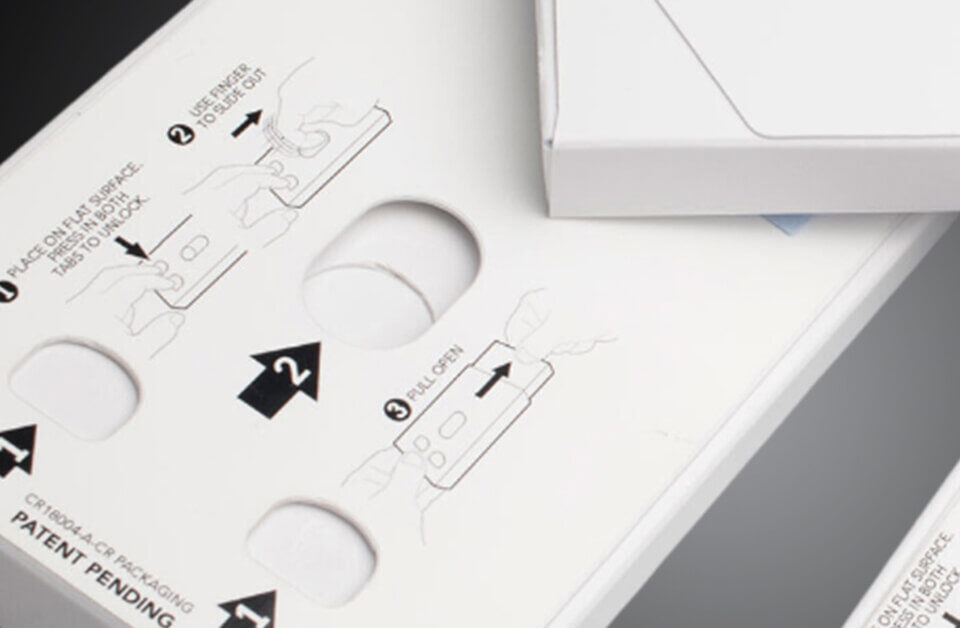
To meet these standards, marijuana packaging bags must feature locking mechanisms that children under five years of age find difficult to open, yet adults can access reasonably easily.
Brands typically utilize child-resistant marijuana packaging bags equipped with specialized zippers, such as pinch-slide or push-and-turn technologies.
These features demonstrate a commitment to safety and satisfy the rigorous testing protocols required by state laws.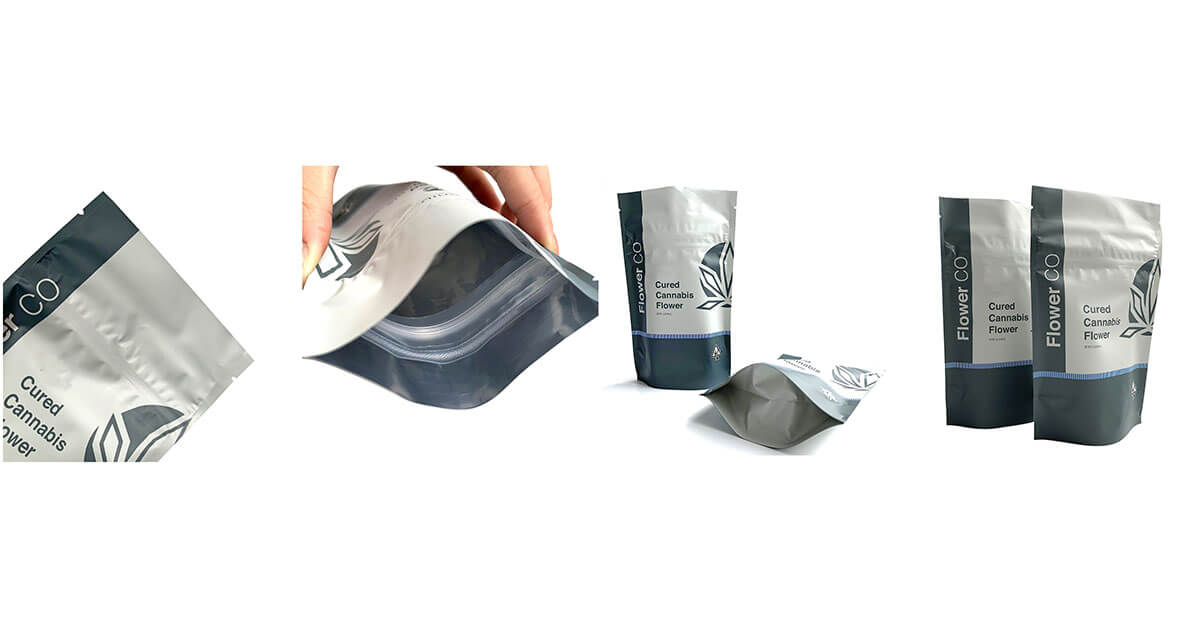
Labeling Requirements: Communicating Essential Data
States mandate that brands disclose specific information directly on the packaging.
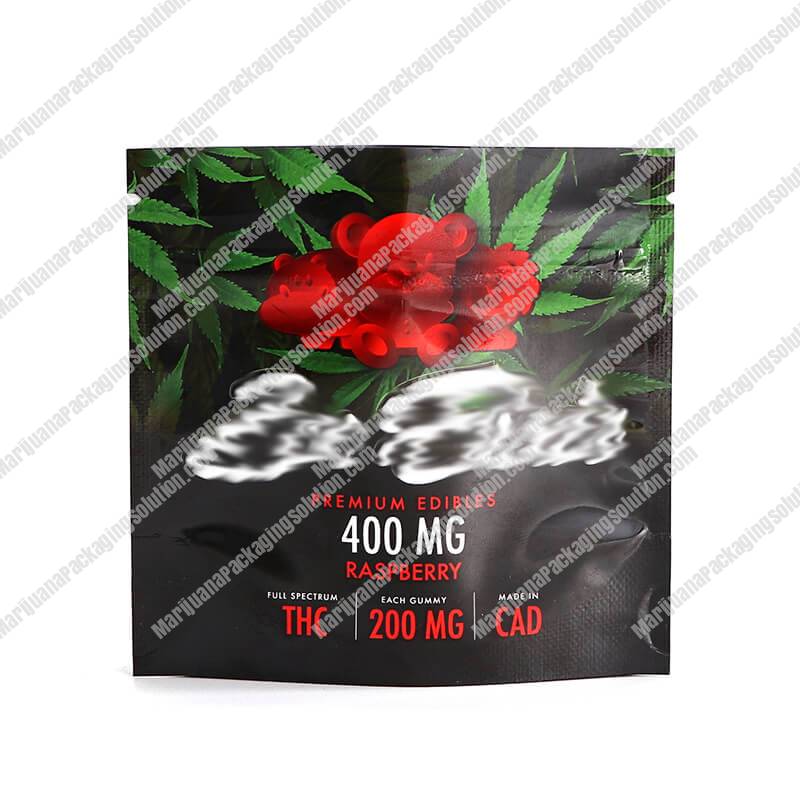
While regulations vary by jurisdiction, common requirements include THC/CBD content, batch numbers, manufacturing dates, and universal symbols indicating the product contains cannabis.
Custom marijuana packaging bags offer a significant advantage here.
Instead of relying on manual stickers that consumers might peel off or damage, brands can print mandatory text and warnings directly onto the bag surface.
This ensures the information remains legible and permanent. Furthermore, designers must avoid imagery that appeals to minors.
Regulations frequently prohibit the use of cartoons, candy-like graphics, or bright neon colors on marijuana packaging bags to prevent accidental ingestion by children.
Material Specifications: Opacity and Preservation
Beyond text and locks, the physical material of the bag plays a regulatory role.
Many states enforce “opacity rules,” which demand that the product remain hidden from view before purchase.
This requirement prevents consumers—and children—from seeing the contents.
High-quality marijuana packaging mylar bags excel in this area.
Mylar provides an excellent opaque barrier that satisfies visibility regulations.
Additionally, Mylar offers superior protection against light and moisture.
State testing facilities often check for potency retention and contamination; the barrier properties of Mylar help maintain the product’s chemical profile. Manufacturers offer a diverse range of marijuana packaging bags and pouches that meet these strict opacity and preservation standards.
Medical vs. Recreational: Understanding the Distinction
Companies must distinguish between the regulatory frameworks for medical and adult-use markets.
Medical marijuana packaging bags often face higher scrutiny regarding dosage precision and patient instructions.
For instance, medical markets may require specific “For Medical Use Only” badges or tamper-evident seals that differ from recreational counterparts.
Producers must verify whether their target state requires distinct packaging architectures for medical patients versus recreational consumers.
Using the correct marijuana packaging bags for the specific license type prevents costly inventory recalls.
The Last Line of Defense: Exit Packaging
Compliance extends beyond the primary package holding the flower or edible.
The transaction at the dispensary point-of-sale must also adhere to safety laws.
In states where the primary container does not meet “resealable child-resistant” standards, dispensaries must utilize child resistant exit bags for marijuana packaging.
These auxiliary bags ensure that the product remains secure during transport from the store to the customer’s home.
Retailers must stock these compliant exit solutions to ensure every sale adheres to the law.
Regulatory compliance requires constant vigilance.
As state laws evolve, packaging strategies must adapt.
Sourcing high-quality marijuana packaging bags from a knowledgeable supplier ensures that your brand remains on the right side of the law.
Invest in compliant packaging solutions today to protect your product, your customers, and your business license.