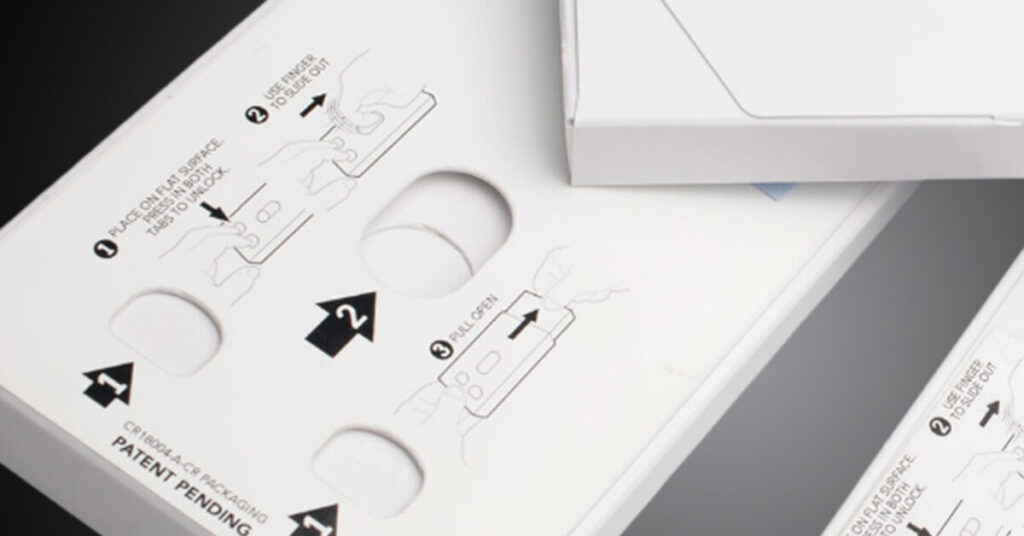

As cannabis legalization expands across the U.S., the landscape of packaging regulations continues to evolve—particularly when it comes to opaque packaging.
Whether you’re launching a new cannabis brand or optimizing an existing product line, understanding how and why states require non-transparent packaging is essential for staying compliant and building consumer trust.
This blog post breaks down everything you need to know, from the definition of opaque packaging and its role in public safety, to state-by-state legal requirements and the types of packaging that meet regulatory standards.
I’ll also walk you through common compliance pitfalls, the importance of choosing the right supplier, and how to stay ahead of ever-changing rules—especially if you’re offering edibles, pre-rolls, or concentrates.
By the end of this guide, you’ll have a clear grasp of how opaque packaging, opaque mylar bags, and opaque rigid medical packaging can align your cannabis business with legal frameworks while maintaining brand integrity.
1. What Is Opaque Packaging?
Opaque packaging refers to packaging materials that are not transparent or see-through, effectively concealing the contents inside.
In the context of cannabis regulation, opaque packaging serves both compliance and consumer safety purposes.
This type of packaging prevents visual exposure of cannabis products, aligning with public health and youth protection initiatives.
It is particularly common in cannabis edible products, pre-rolls, and vape cartridges.
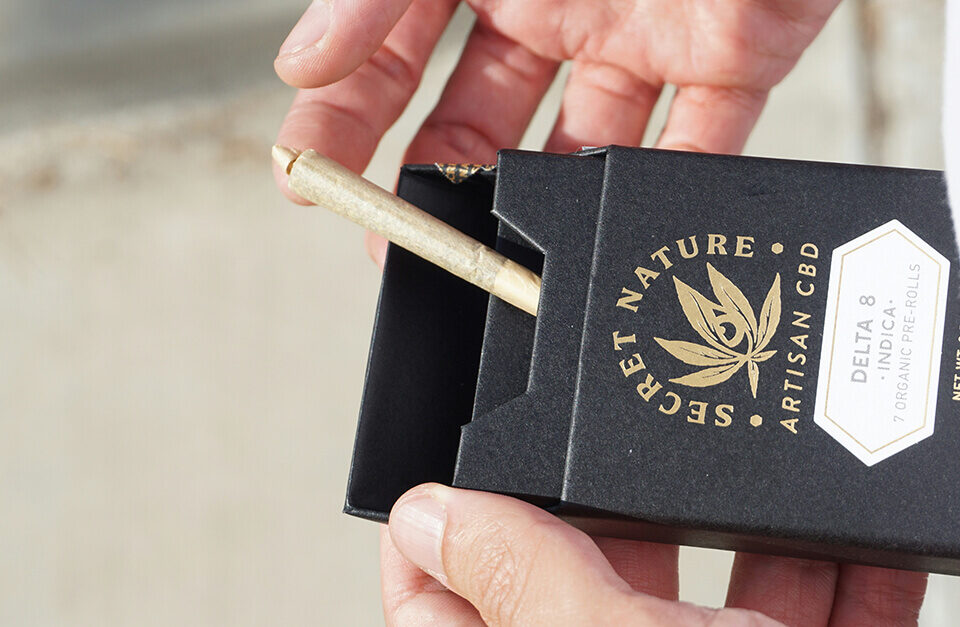
Materials used for opaque cannabis packaging include foil-lined bags, matte-finish pouches, and rigid boxes with opaque lamination.
In medical applications, opaque rigid medical packaging is used to shield sensitive compounds from light exposure, ensuring product stability and confidentiality.
Understanding the exact definition and functionality of opaque packaging is crucial for brands seeking to comply with packaging laws across multiple states or countries.
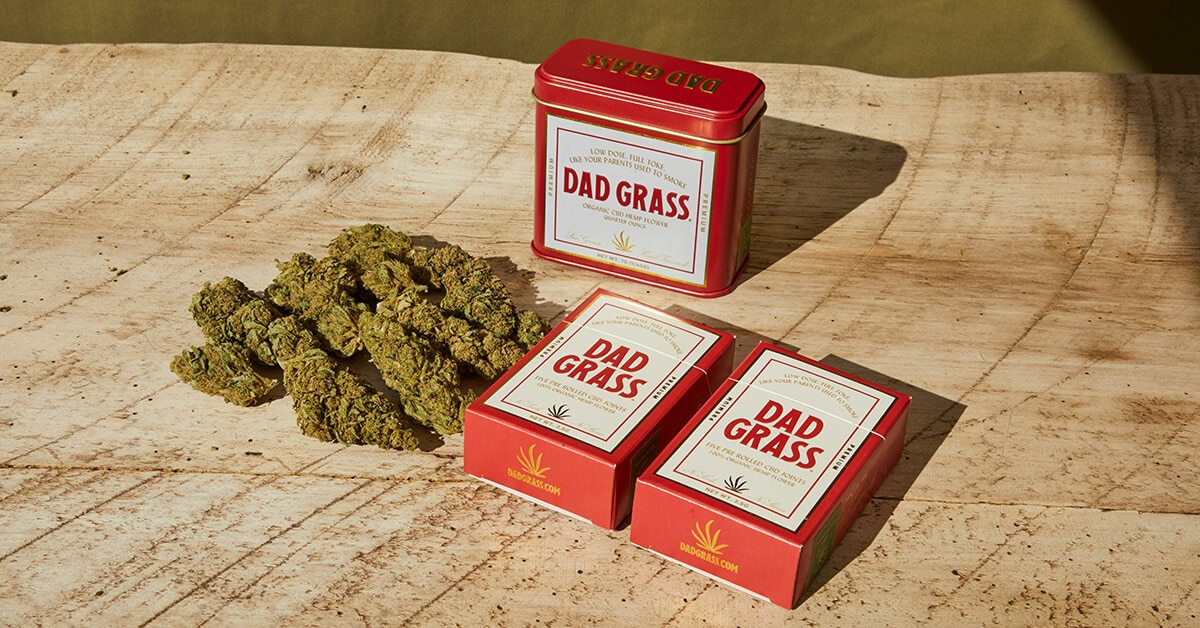
Image Credit: Dad Grass | Unsplash
2. Why States Require Opaque Packaging for Cannabis
State regulations mandate opaque packaging to restrict the visibility of cannabis products, especially in environments where children and non-consumers may encounter them.
These requirements are intended to minimize appeal to minors, discourage accidental ingestion, and maintain a discreet retail presence.
Several U.S. states have adopted these guidelines following the rise in popularity of edibles and infused products, which often resemble common snacks or beverages.
Opaque packaging meaning, in regulatory language, extends beyond aesthetics—it is considered a protective layer against misuse and misunderstanding of the product’s purpose.
Compliance with opaque packaging regulations is not optional in these jurisdictions.
Non-compliant products risk being removed from shelves or denied licensing approval.
3. States Where Opaque Packaging Is Mandatory
Laws differ significantly by state, but several have introduced firm packaging requirements.
For example:
California mandates that cannabis edibles and infused products be placed in opaque packaging if sold individually.
Colorado requires opaque packaging for cannabis edibles, especially those resembling candy or snacks.
Nevada enforces child-resistant and opaque packaging for all cannabis products intended for direct consumer use.
Florida requires opaque rigid medical packaging for cannabis sold through its medical marijuana program, emphasizing patient privacy and dosage control.
These laws reflect broader public safety campaigns.
In many cases, opaque packaging bags must also be tamper-evident and child-resistant, meeting ASTM D3475 standards.
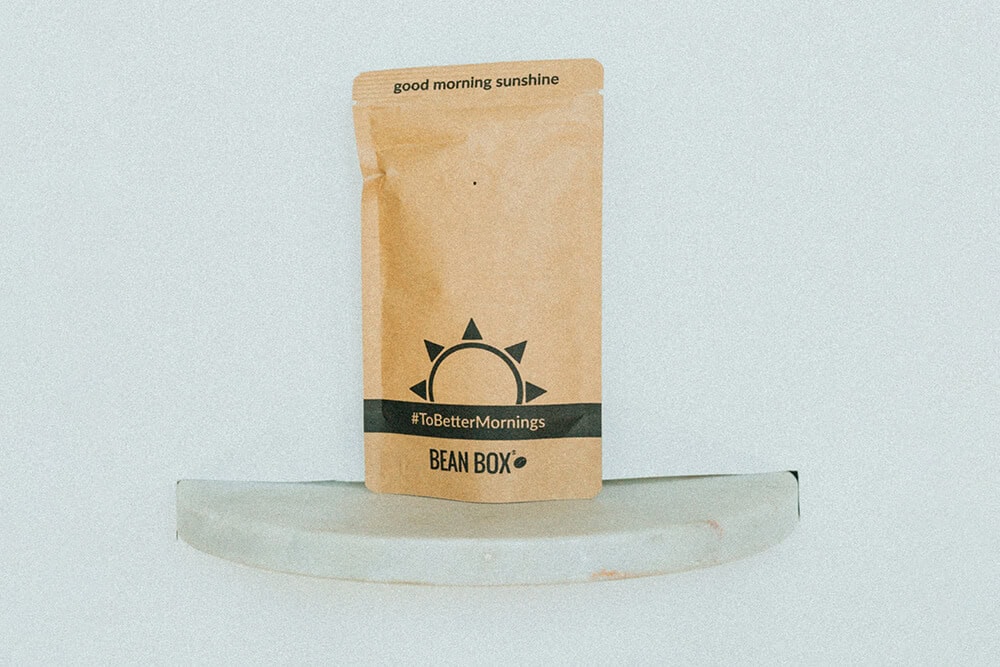
Image Credit: Nathan Dumlao | Unsplash
4. Packaging Types That Qualify as Opaque
There are several categories of cannabis packaging that meet the definition of opaque, each offering different benefits:
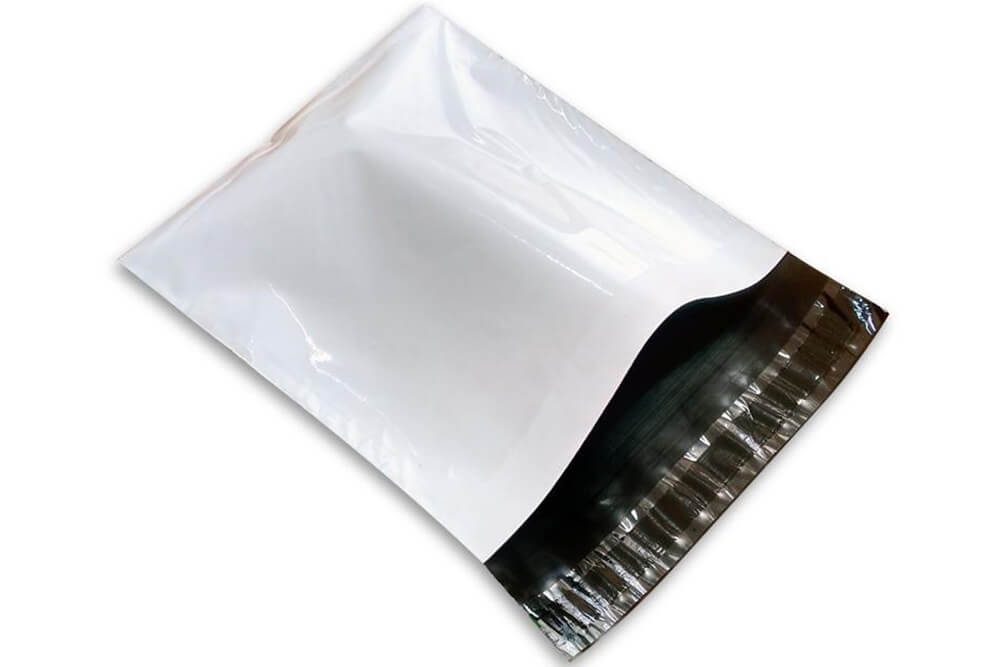
Opaque Mylar Bags: Often used for flower and edibles, these bags are lightweight, smell-proof, and fully conceal contents.
Windowless Rigid Boxes: Common for premium cannabis brands, offering structure, privacy, and branding flexibility.
Foil-Lined Pouches: Ideal for heat-sensitive products such as concentrates, these provide both light and moisture barriers.
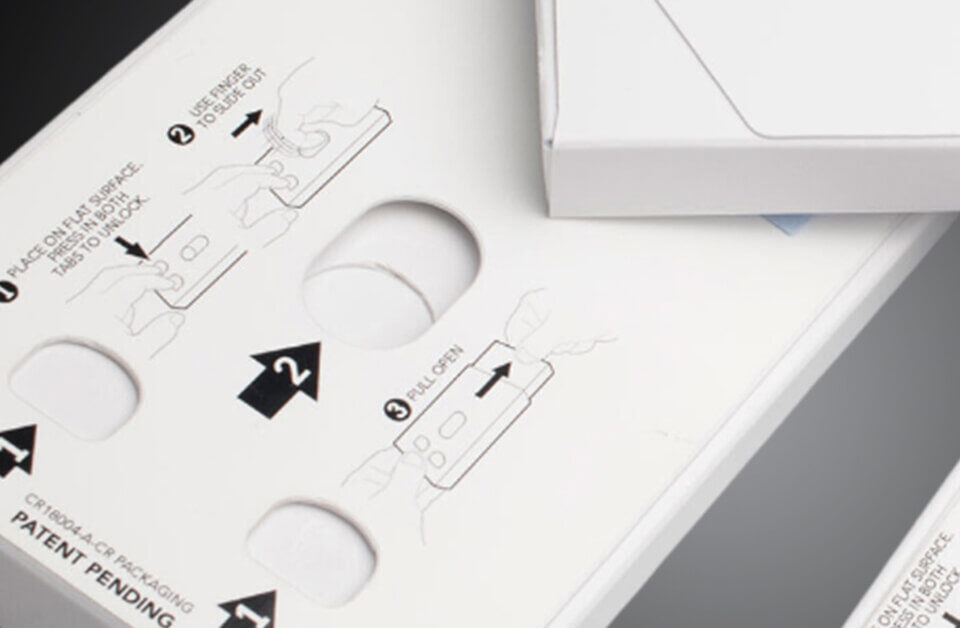
Opaque Rigid Medical Packaging: Used in medical programs for its durability and security, often made from high-density plastic or thick fiberboard.
The appropriate packaging type depends on product format, regulatory context, and shelf display goals.
5. How to Stay Compliant with State Regulations
To remain compliant, cannabis businesses must stay updated on evolving packaging regulations within their operating states.
Key strategies include:
Reviewing Local Legislation Regularly: Laws change frequently, and each state publishes detailed guidelines.
Partnering with Packaging Experts: Working with suppliers that understand opaque packaging requirements—especially those familiar with cannabis markets—can help ensure compliance from the outset.
Utilizing Verified Labels and Certificates: When selecting opaque packaging bags or boxes, verify that materials meet opacity thresholds and child-resistance standards.
Customizing for Jurisdiction-Specific Needs: For example, cannabis edible packaging in Canada may differ from the USA in legal language, symbols, and dosage visibility.
Failing to adhere to these principles can result in penalties or product recalls, impacting brand reputation and profitability.

Image Credit: Adison Clark | Unsplash
6. Common Packaging Pitfalls to Avoid
Brands must avoid common mistakes when implementing opaque packaging:
Using Semi-Transparent Windows: Even small windows that reveal product contents may be disqualified in some states.
Incorrect Label Placement: Labels must not obstruct opacity. Instead, they should complement the design without undermining concealment.
Choosing Non-Compliant Vendors: Some suppliers offer “opaque” options that do not meet ASTM or ISO standards. Always confirm with your opaque packaging manufacturers.
Overlooking Sustainability: Though regulatory compliance is a priority, brands should still consider eco-friendly opaque options, such as biodegradable opaque bags or recyclable rigid boxes.
Avoiding these pitfalls ensures consistent compliance while preserving consumer trust.
7. Choosing the Right Supplier for Opaque Packaging
Selecting an experienced supplier is crucial for meeting legal standards and maintaining brand consistency.
Look for suppliers who:
- Offer certified opaque packaging bags and rigid box solutions
- Understand cannabis-specific regulations in your state or region
- Provide testing documentation for child-resistance and opacity
- Have experience producing opaque packaging for cannabis edible packaging USA, UK, and Canada markets
Reliable packaging partners simplify compliance, reduce production delays, and support brand storytelling through fully customizable designs.
Navigating the complexities of cannabis packaging laws can be overwhelming, but staying informed is critical—especially when it comes to opaque packaging.
As more states mandate the use of opaque packaging to protect minors, prevent diversion, and promote safety, cannabis brands must adapt with compliant, high-quality solutions.
Whether you’re sourcing opaque packaging bags, opaque rigid medical packaging, or developing custom formats,
aligning your products with state-specific laws is not only a legal necessity—it’s a strategic advantage.
By choosing the right packaging and working with knowledgeable suppliers, you can ensure both compliance and consumer confidence while building a brand that stands out on dispensary shelves.