
In today’s competitive market, packaging does more than protect a product—it shapes customer perception and influences purchasing decisions.
Packaging inserts for boxes play a critical role in ensuring products arrive safely while also enhancing presentation and organization.
For businesses shipping fragile, high-value, or premium items, inserts often determine whether a product arrives intact or damaged.
This guide explains everything buyers need to know about packaging inserts for boxes, from material selection to custom design and sustainability considerations.
Whether you manage an e-commerce brand or source packaging for regulated or luxury products, understanding inserts will help you make informed, cost-effective decisions.
What Are Packaging Inserts for Boxes?
Packaging inserts for boxes are internal components designed to hold products securely inside an outer box.
Unlike loose void fill materials such as packing paper or foam peanuts, inserts are engineered to fit specific product shapes and dimensions.
They prevent movement, reduce impact during transit, and create a structured layout inside the box.
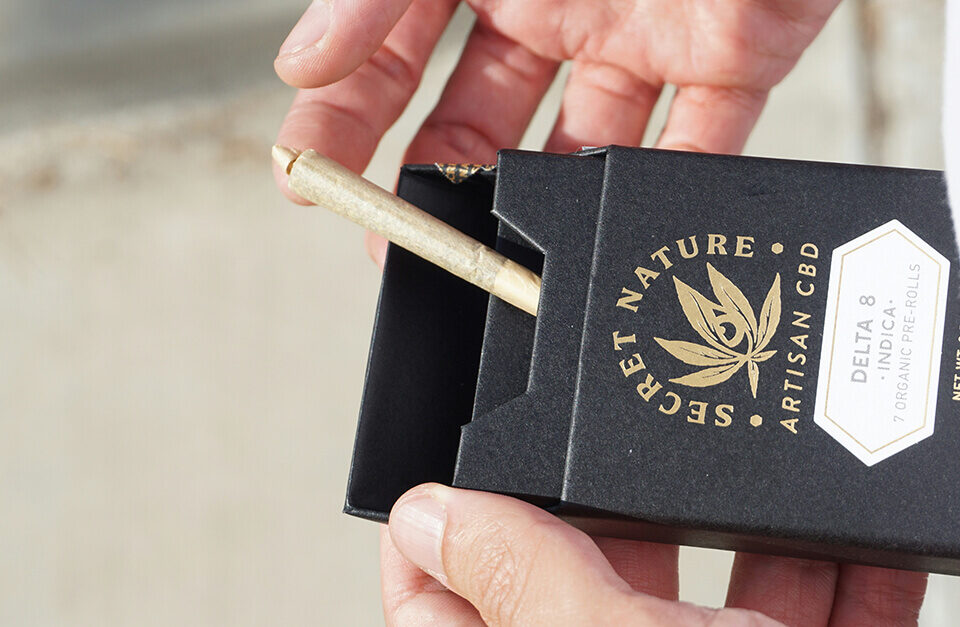
Many industries rely on packaging inserts for boxes, including electronics, cosmetics, cannabis products, food items, and luxury goods.
Inserts improve consistency, protect delicate components, and support a professional unboxing experience that reflects brand quality.
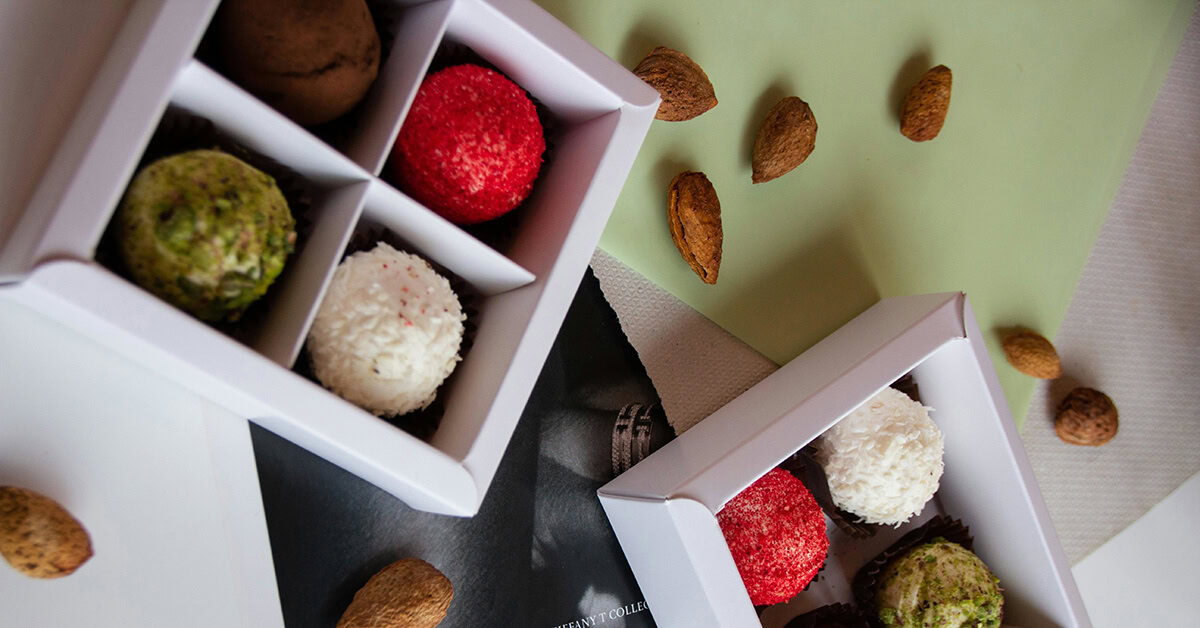
Image Credit: Matvalina | Pexels
Benefits of Custom Packaging Inserts for Boxes
Custom packaging inserts for boxes offer several important advantages over generic solutions.
First, they provide superior product protection by eliminating empty space and stabilizing items during shipping.
This directly reduces breakage, leakage, and cosmetic damage.
Second, inserts improve presentation and organization.
Products sit neatly in place, which enhances perceived value and reinforces brand professionalism.
Finally, inserts help reduce returns and replacement costs by minimizing shipping damage, making them a smart long-term investment rather than an added expense.
Common Types of Packaging Inserts for Boxes
There are several types of packaging inserts for boxes, each suited to different product needs:
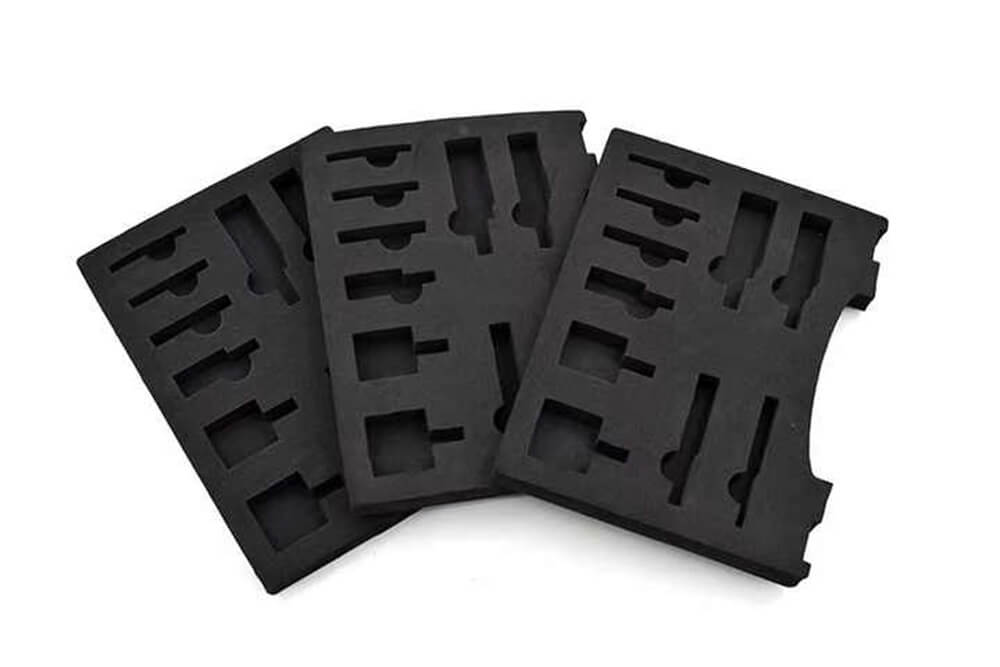
Foam inserts offer excellent cushioning and work well for fragile or high-value products.
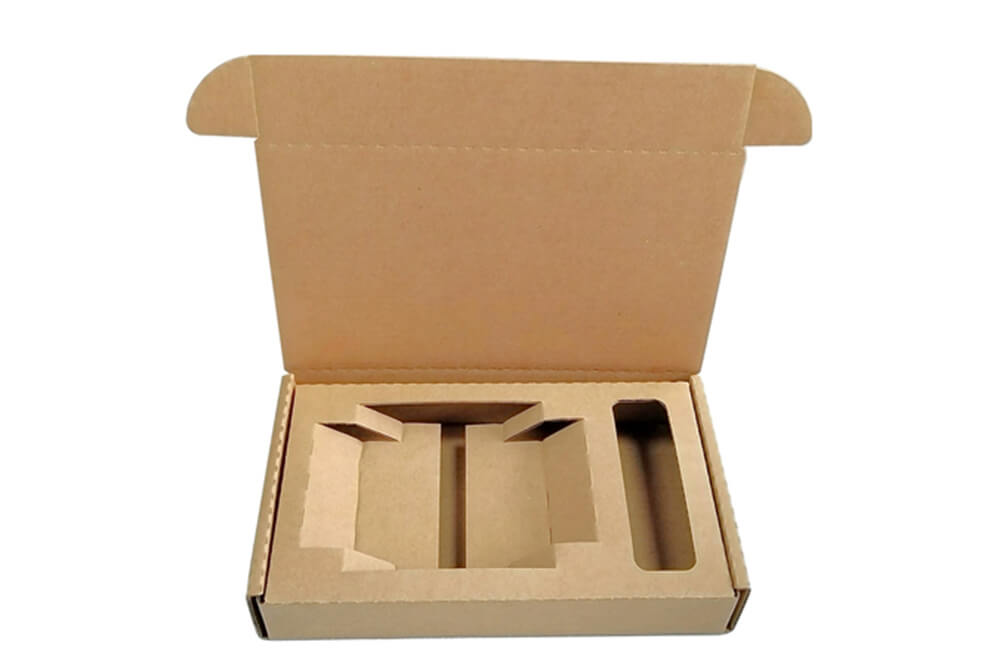
Paperboard and cardboard inserts provide structural support and work well for lightweight to medium-weight items.
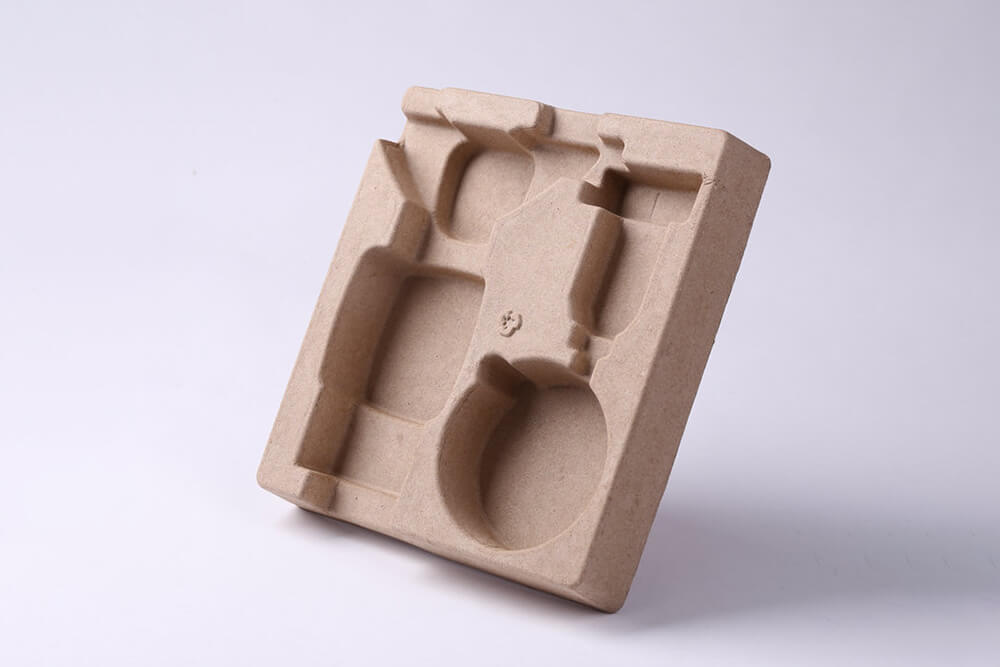
Molded pulp inserts appeal to brands seeking sustainable packaging solutions while still maintaining protection.
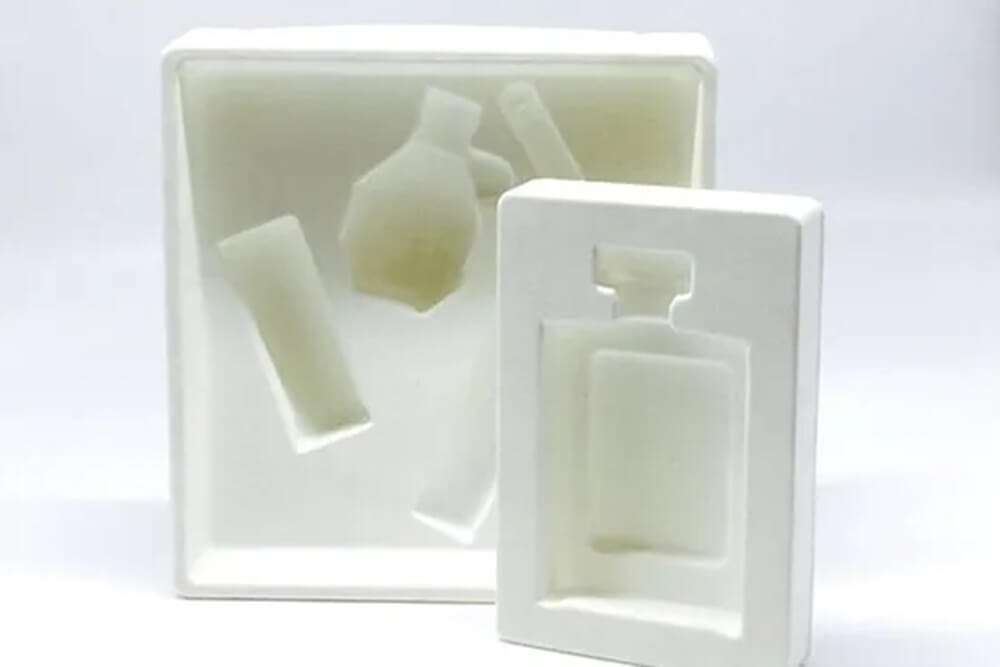
Plastic and thermoformed inserts deliver precise fits and moisture resistance, making them ideal for products that require high visibility or consistent positioning.
Choosing the right insert type depends on product fragility, weight, and presentation goals.
Material Selection for Packaging Inserts for Boxes
Material choice plays a major role in the performance of packaging inserts for boxes.
Heavier or more fragile products often require denser materials such as foam or rigid paperboard.
Lightweight products may perform well with folded cardboard or molded pulp inserts.
Sustainability also influences material selection. Many buyers now prefer recyclable, biodegradable, or compostable materials.
In regulated industries, insert materials must also meet safety and compliance requirements, especially when inserts come into contact with consumable or sensitive products.
Custom Design Options for Packaging Inserts for Boxes
Custom design allows packaging inserts for boxes to fit products precisely.
Die-cut inserts can hold items in fixed positions, while multi-cavity designs accommodate sets or bundles.
Custom layouts also improve efficiency during packing and reduce assembly time.
Design options extend beyond function. Inserts can support branding through color selection, texture, and structure.
Premium packaging often uses inserts as part of the visual experience, reinforcing brand value the moment the box opens.
Packaging Inserts for Boxes and Shipping Performance
One of the most practical benefits of packaging inserts for boxes is improved shipping performance.
Inserts limit product movement, reduce vibration damage, and help distribute impact forces evenly across the package.
Better shipping performance leads to fewer damaged shipments and lower return rates.
For e-commerce brands, inserts also improve stacking and palletization, helping optimize logistics and fulfillment efficiency while maintaining product safety.
Sustainable Packaging Inserts for Boxes
Sustainability has become a major consideration in packaging decisions.
Packaging inserts for boxes made from molded pulp, recycled paperboard, or biodegradable materials help brands reduce environmental impact without sacrificing performance.
Eco-friendly inserts also appeal to environmentally conscious consumers and support sustainability commitments.
Brands that invest in sustainable inserts often strengthen customer trust and align packaging choices with broader environmental goals.
How to Choose the Right Packaging Inserts for Boxes
Choosing the right packaging inserts for boxes starts with understanding your product.
Buyers should evaluate product size, weight, fragility, and orientation. Inserts must align with the outer box dimensions to avoid wasted space or structural weakness.
Production volume also matters. Some insert designs work best for small batches, while others scale efficiently for high-volume orders.
Working closely with a packaging supplier ensures the insert design balances protection, cost, and production feasibility.
Common Mistakes to Avoid When Ordering Packaging Inserts for Boxes
Many buyers make the mistake of choosing packaging inserts for boxes based solely on cost.
Low-cost inserts that fail to protect products often lead to higher long-term expenses due to returns and replacements.
Another common mistake involves skipping prototype testing. Inserts should always undergo fit and transit testing before mass production.
Overdesigning inserts can also increase costs unnecessarily, so buyers should focus on performance-driven designs rather than complexity.
Packaging inserts for boxes are an essential component of effective packaging systems.
They protect products, enhance presentation, and reduce shipping-related losses.
When chosen and designed correctly, inserts improve both customer satisfaction and operational efficiency.
By considering material selection, custom design, sustainability, and shipping performance, buyers can make informed decisions that deliver long-term value.
Partnering with an experienced packaging specialist ensures that your packaging inserts support your product, brand, and business goals.
If you are planning to upgrade your packaging strategy, consult a packaging specialist to design custom packaging inserts for boxes that protect your products and elevate your brand.