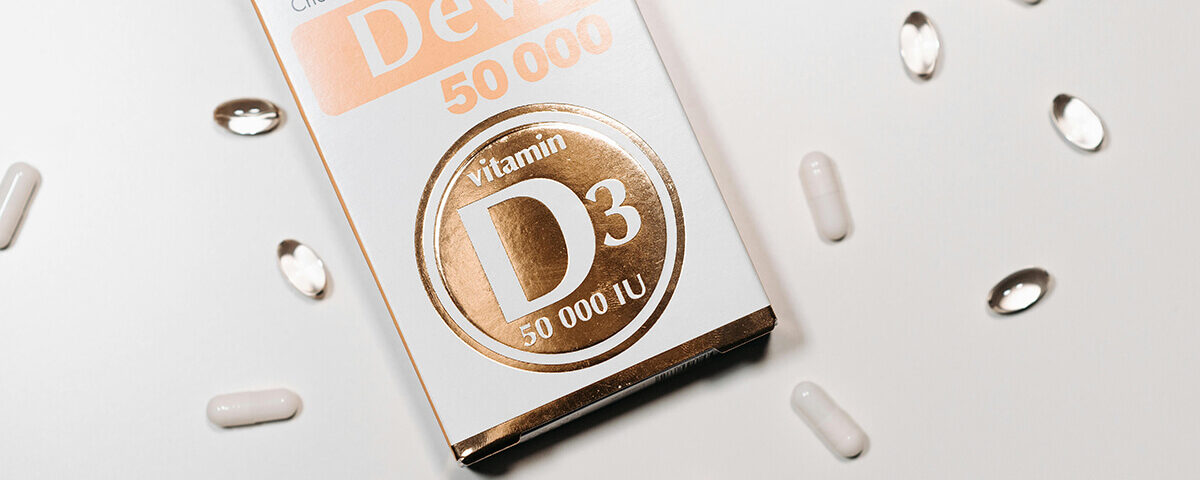
The foundation of modern healthcare relies on trust, and that trust often begins with packaging.
Pharmaceutical packaging design plays a critical role in ensuring medications remain safe, effective, and compliant with strict regulatory standards.
Packaging is not simply a container—it is a safeguard for patient health, a tool to prevent misuse, and a system that protects integrity from manufacturing through to patient use.
In recent years, the demand for custom pharmaceutical packaging and specialized pharmaceutical packaging boxes has increased as brands look to balance compliance with branding and patient needs.
Effective pharmaceutical packaging design unites safety, clarity, and innovation into a solution that builds confidence among regulators and patients alike.
Why Pharmaceutical Packaging Design Matters
The importance of pharmaceutical packaging design cannot be overstated.
Medications are highly sensitive and can easily be compromised by light, temperature, or humidity.
Poorly designed packaging exposes products to contamination, increases the risk of dosing errors, and may even result in costly recalls.
Strong design ensures protection, communicates proper use, and reinforces patient confidence.
Pharmaceutical packaging also plays an essential role in global distribution.
Packaging must endure transit conditions, remain secure through multiple handling stages, and comply with international logistics standards.
In this sense, pharmaceutical packaging design functions as both a protective shield and a communication channel between manufacturers and patients.
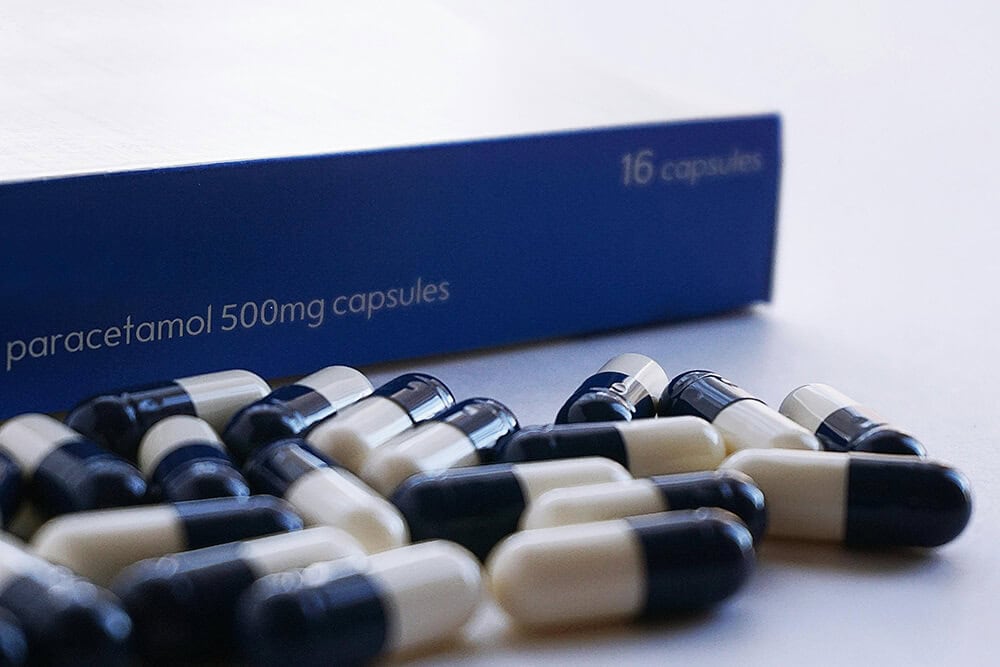
Image Credit: Suzyhazelwood | Pexels
Core Principles of Pharmaceutical Packaging Design
The most effective pharmaceutical packaging design adheres to a clear set of principles:
Safety: Packaging must include child-resistant closures, tamper-evident seals, and reliable protection against contamination.
Compliance: Regulatory requirements such as FDA, EMA, or country-specific guidelines govern structure, labeling, and safety features.
Clarity: Labels should be highly legible, multilingual where necessary, and structured to prevent dosing mistakes.
Functionality: Packaging must remain durable and easy to use, particularly for seniors and patients with limited dexterity.
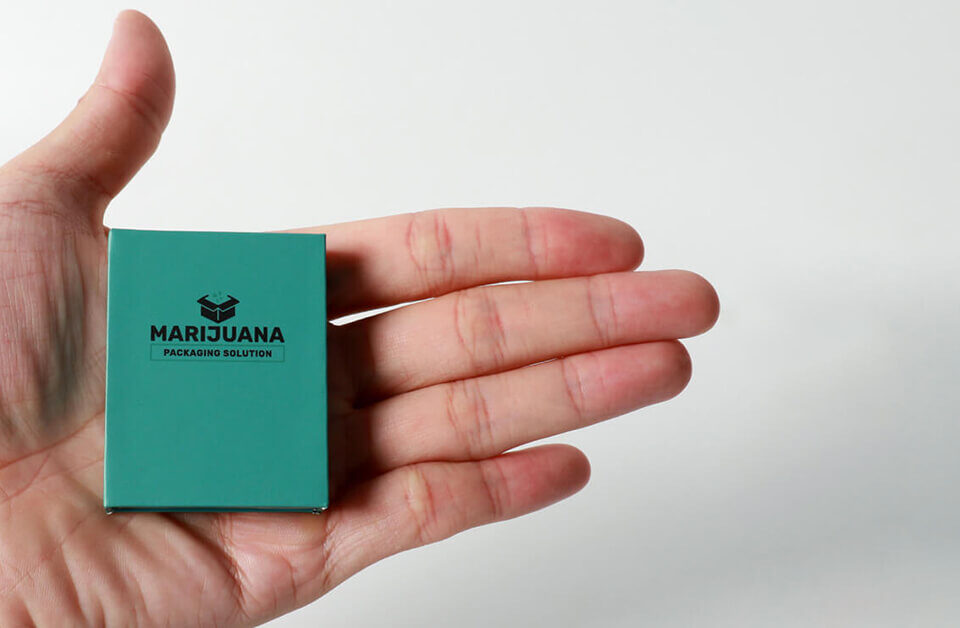
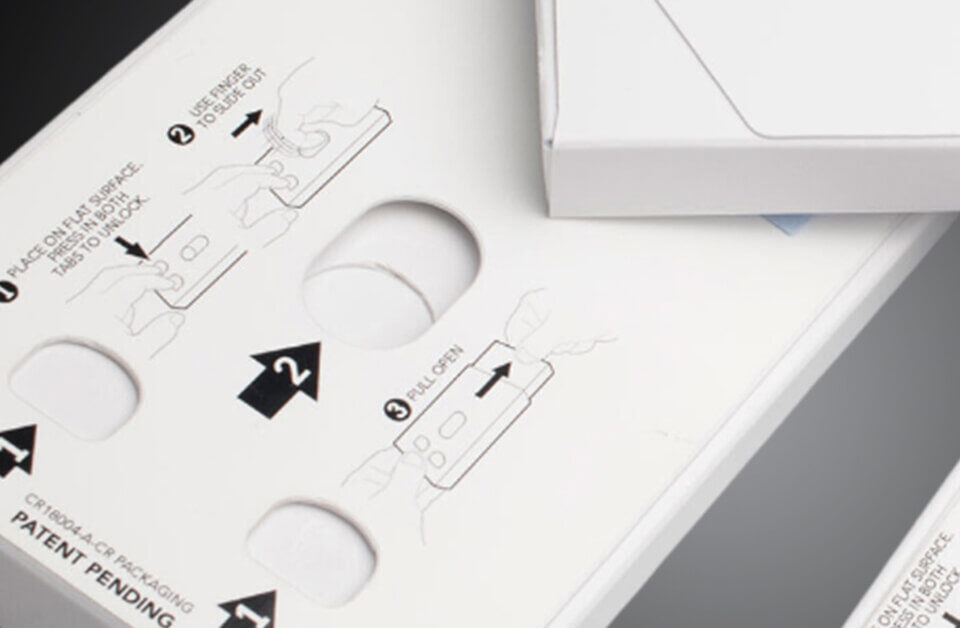
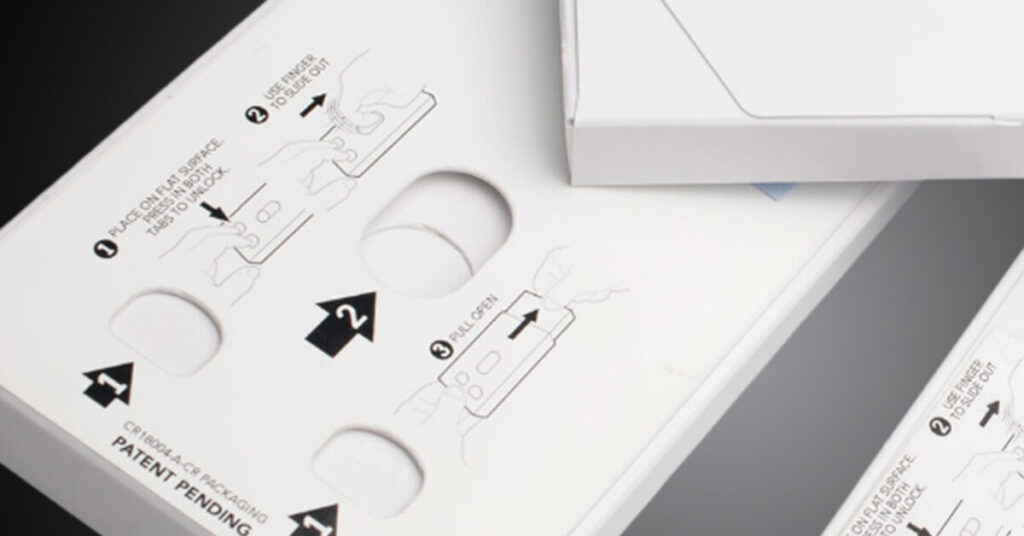
For example, pharmaceutical packaging boxes can integrate tamper-evident features, printed instructions, and carefully structured compartments that align with these design principles.
Regulatory Considerations in Pharmaceutical Packaging Design
Regulatory compliance forms the backbone of pharmaceutical packaging design.
In the United States, the FDA sets strict standards on labeling, child resistance, and serialization.
In the European Union, EMA regulations address similar areas, with additional emphasis on traceability and anti-counterfeit measures.
Because requirements vary across jurisdictions, custom pharmaceutical packaging provides the flexibility to meet local laws while maintaining global consistency.
Well-designed packaging not only avoids compliance risks but also demonstrates a manufacturer’s commitment to patient safety and professional accountability.
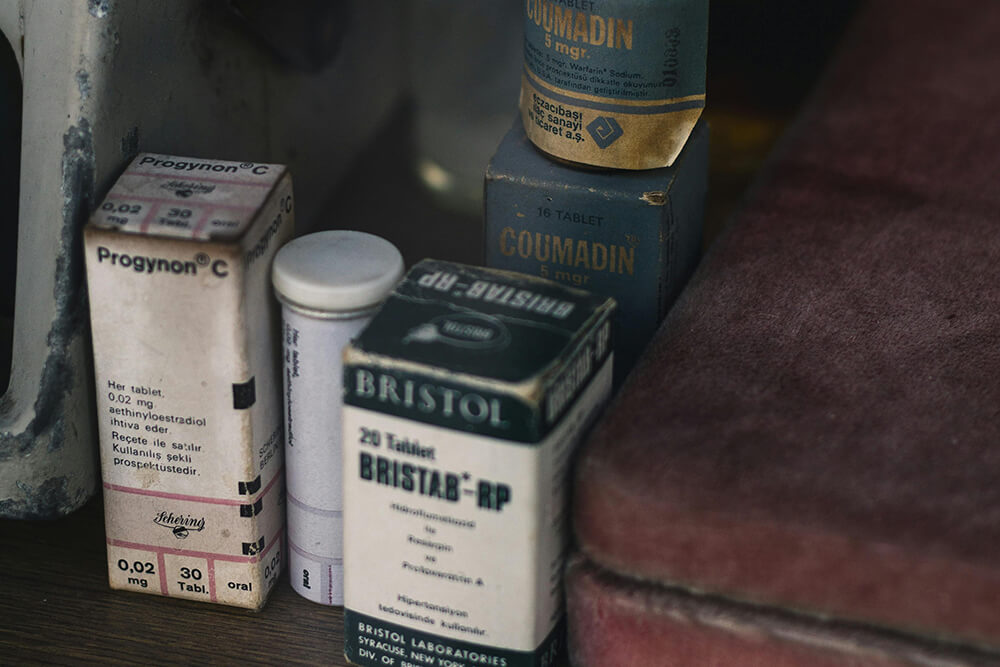
Image Credit: Beytlik | Pexels
Material Choices and Innovation in Pharmaceutical Packaging Design
The choice of material plays a critical role in pharmaceutical packaging design.
Traditional materials like plastics, glass, and paperboard remain common, but demand is rising for sustainable alternatives.
Recyclable paper, biodegradable films, and plant-based plastics are gaining momentum as eco-conscious solutions.
Custom pharmaceutical packaging allows for the integration of these innovative materials without sacrificing compliance or safety.
For instance, blister packs may combine recyclable components with protective layers, while pharmaceutical packaging boxes can incorporate recycled board without compromising structural integrity.
Innovation ensures packaging continues to evolve with both patient and environmental needs.
Pharmaceutical Packaging Boxes: Practical Applications
Pharmaceutical packaging boxes are essential to the industry for their versatility and functionality.
They protect products during storage and shipping, provide space for regulatory labeling, and establish a professional, trustworthy appearance.
Well-designed boxes serve multiple roles—structural protection, compliance communication, and branding.
For tablets, injectables, or liquids, pharmaceutical packaging boxes can be adapted with partitions, inserts, or safety seals to ensure usability and compliance.
In many ways, they represent the most visible and tangible aspect of pharmaceutical packaging design.
Customization in Pharmaceutical Packaging Design
Customization is no longer optional in the pharmaceutical sector.
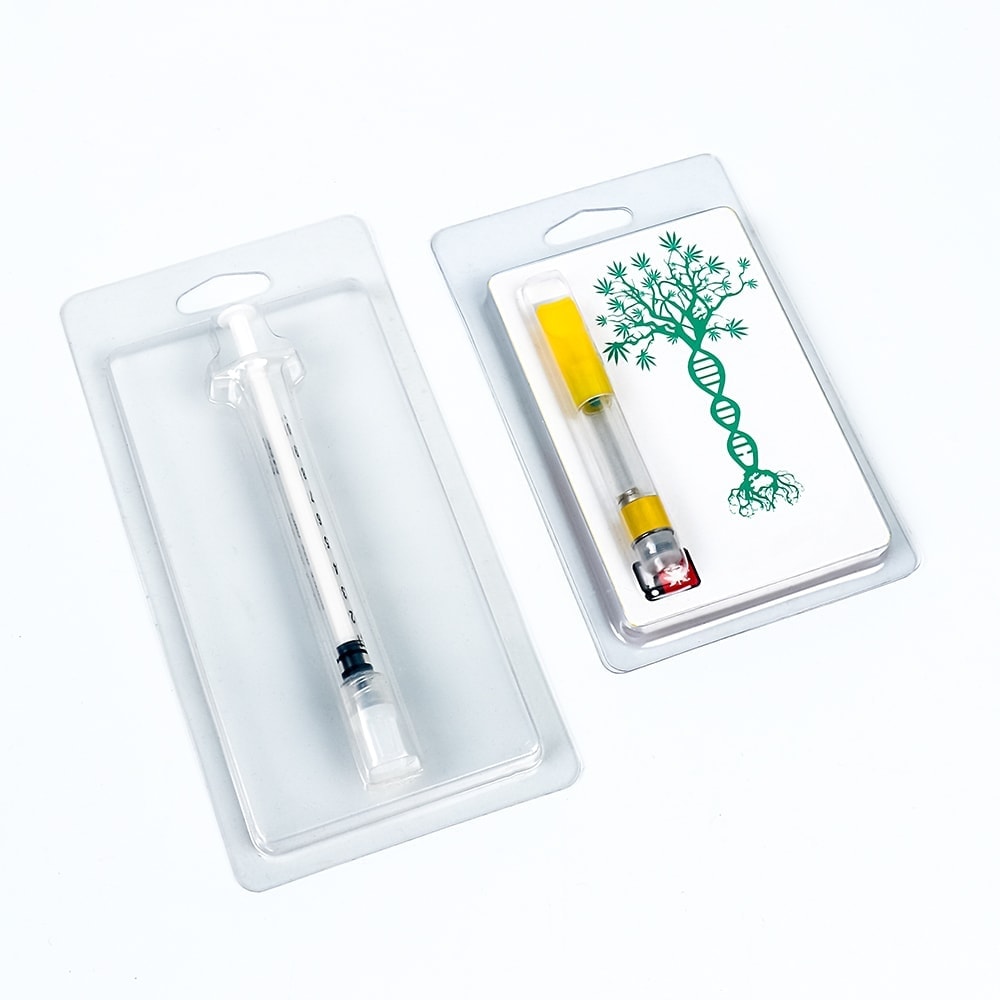
Custom pharmaceutical packaging ensures that unique product formats—such as prefilled syringes, dissolvable strips, or combination kits—receive packaging tailored to their specific requirements.
Customization also addresses accessibility. Easy-open mechanisms, large-print labeling, and ergonomic closures improve patient compliance and experience.
By aligning packaging design with patient demographics, manufacturers enhance safety and usability while reinforcing their commitment to patient care.
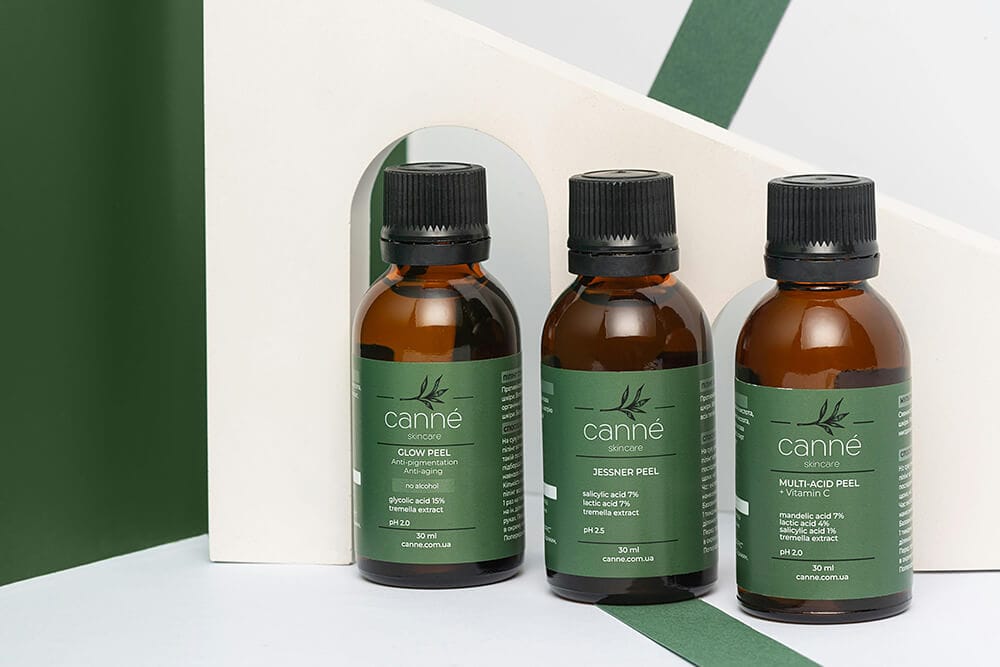
Image Credit: Alexander Sergienko | Pexels
Challenges and Future Trends in Pharmaceutical Packaging Design
The future of pharmaceutical packaging design is shaped by three key factors: regulation, sustainability, and technology.
Serialization and traceability requirements continue to expand, driving adoption of advanced tracking systems.
At the same time, the industry faces pressure to adopt sustainable materials without sacrificing safety.
Emerging technologies are also reshaping packaging. Smart packaging with QR codes, NFC tags, and digital health integrations is creating opportunities for better patient engagement and monitoring.
These innovations must be carefully balanced against cost and regulatory constraints, but they represent the next evolution in pharmaceutical packaging design.
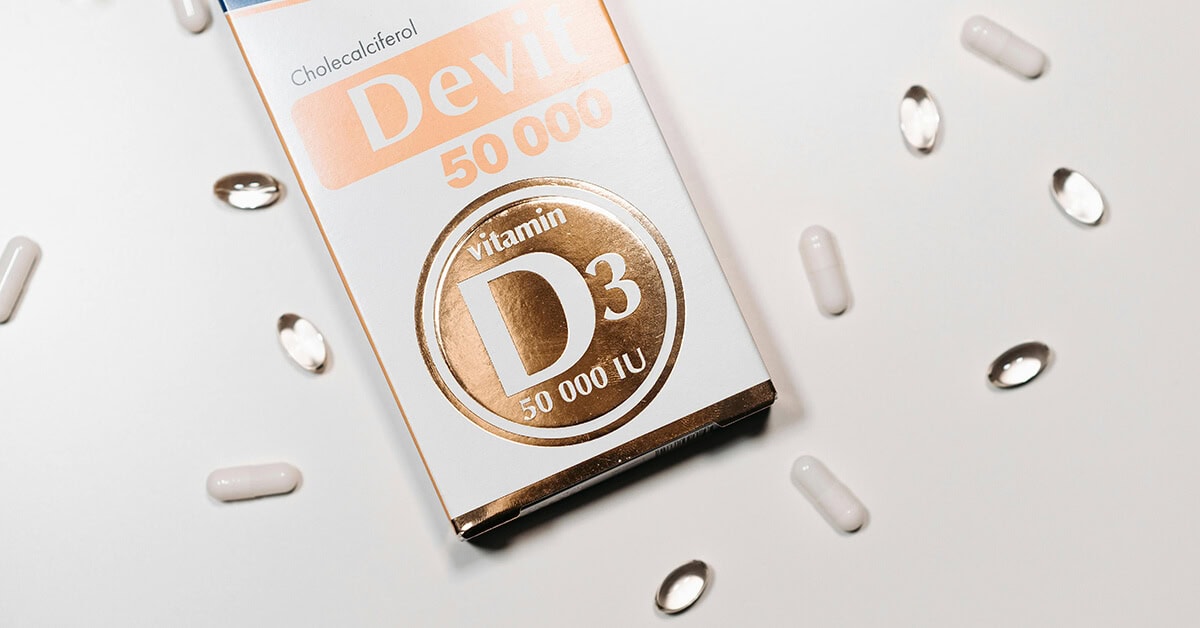
Image Credit: Pavel Danilyuk | Pexels
Conclusion
Effective pharmaceutical packaging design integrates safety, compliance, clarity, and innovation.
It ensures medications remain secure, patients remain informed, and manufacturers remain compliant.
Regulations provide the framework, but customization and sustainability define the competitive edge.
As the industry continues to evolve, custom pharmaceutical packaging and advanced pharmaceutical packaging boxes will become central to meeting regulatory requirements and patient expectations.
By embracing these principles, brands not only safeguard their products but also strengthen credibility and trust.
In the modern healthcare landscape, pharmaceutical packaging design is both a regulatory necessity and a strategic advantage.