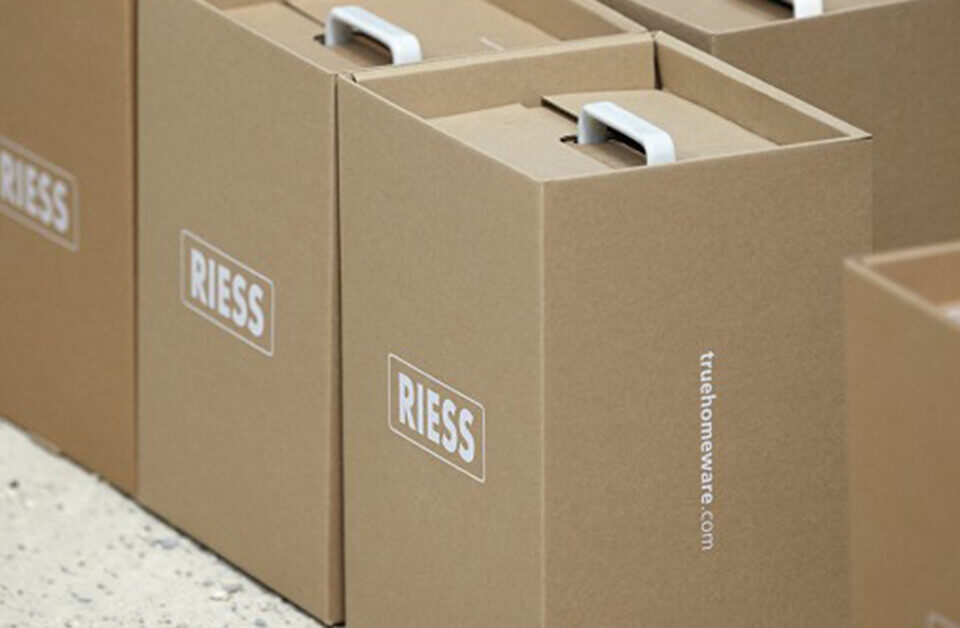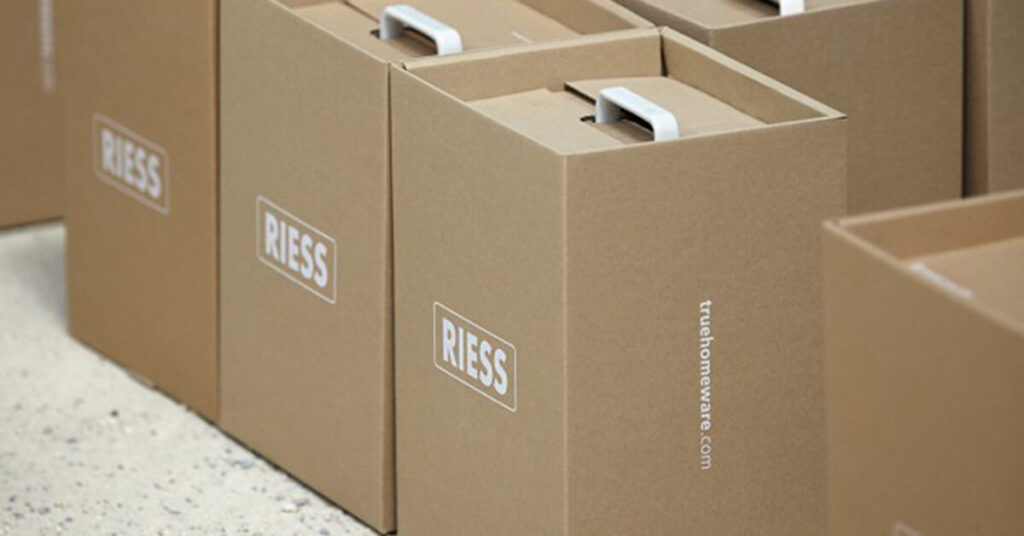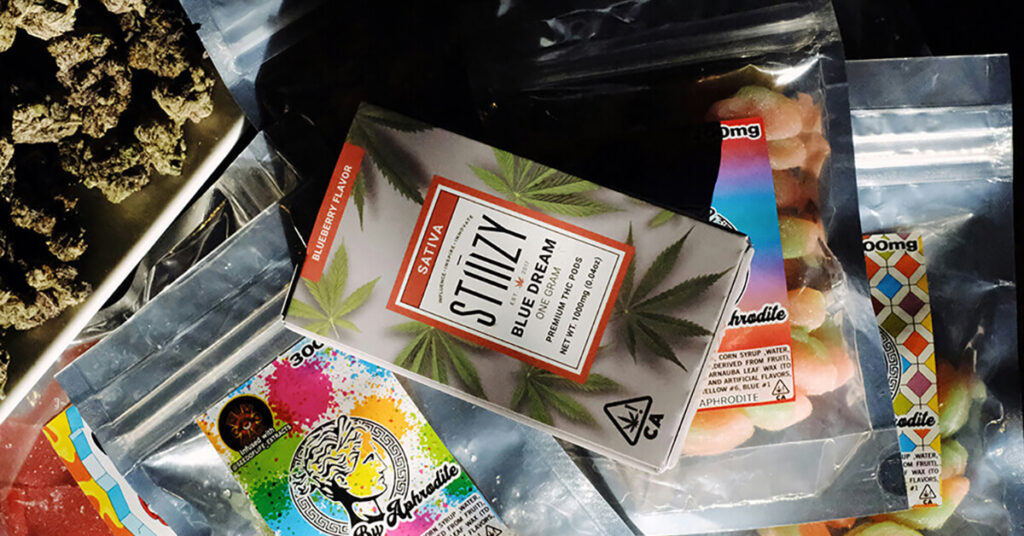

Minimalist packaging has become a leading trend in modern branding, focusing on clean lines, simple shapes, and elegant color palettes.
Achieving this balance requires precision and consistency, especially when translating digital designs into printed packaging.
This is where PMS colors play a critical role.
The Pantone Matching System ensures that every printed material—from boxes to labels—displays the exact shade intended by the designer, eliminating discrepancies across different batches.
As interest in what are PMS colors continues to grow among packaging professionals, understanding their application in minimalist design has never been more important.
What Are PMS Colors?
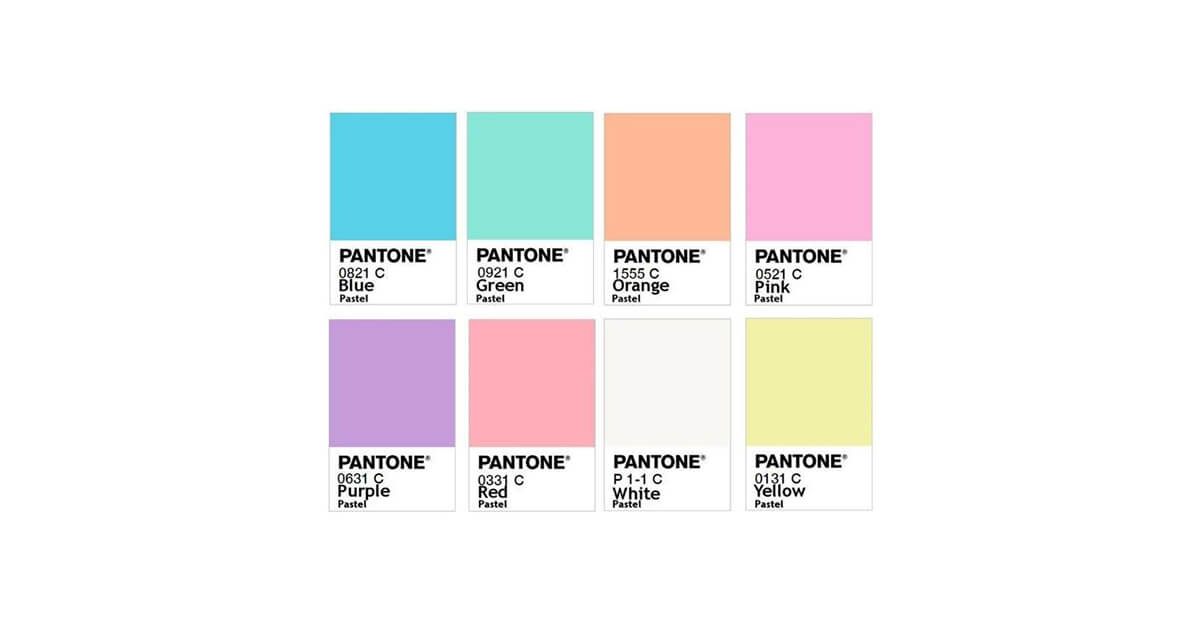
To fully grasp the impact of PMS colors, it is essential to understand the PMS colors meaning in packaging and printing.
PMS stands for the Pantone Matching System, a universal standard developed to ensure consistent color reproduction across all materials and printing processes.
Each color in the Pantone library has a unique code, allowing designers and printers to communicate specific shades without confusion.
Many professionals wonder, are Pantone and PMS colors the same? The answer is yes.
Pantone developed the PMS system to standardize colors, so PMS Pantone colors and Pantone colors refer to the same concept: precise and repeatable color identification for any printing project, including minimalist packaging designs.
Why PMS Colors Work Best for Minimalist Packaging
Minimalist packaging relies on precision. A single misaligned shade can break the visual harmony of a clean, modern design.
PMS ink colors ensure that brand logos, text elements, and design accents remain consistent across all packaging materials.
Unlike broad-spectrum systems like CMYK, PMS colors deliver spot colors with unmatched accuracy, giving minimalist packaging its signature uniformity.
Moreover, PMS Pantone colors align perfectly with the minimalist principle of “less is more.”
By limiting the design to one or two carefully selected shades, brands can achieve a sophisticated, uncluttered appearance while maintaining strong visual impact.
PMS Colors vs. Other Color Systems for Minimalist Designs
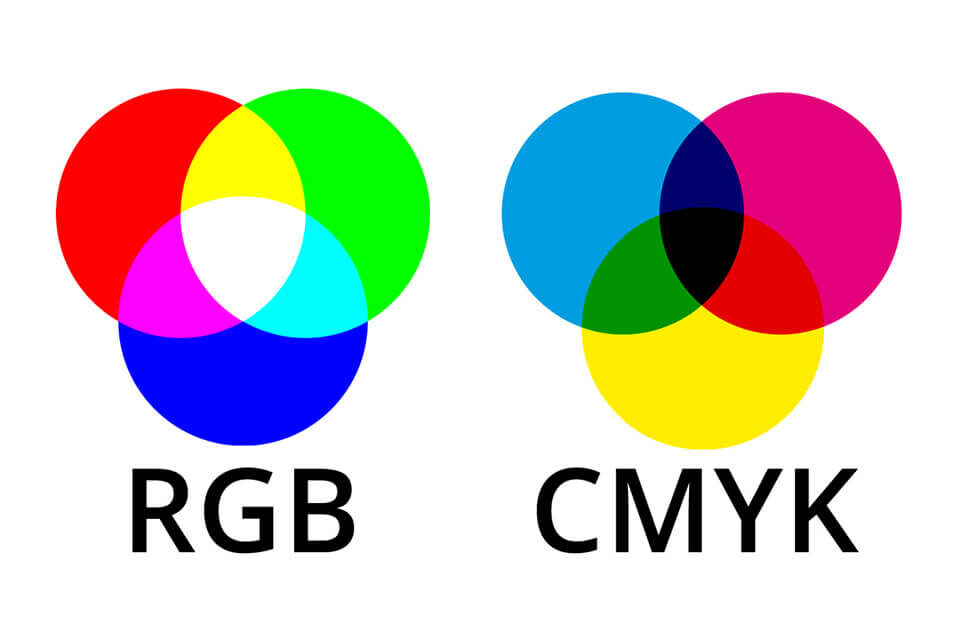
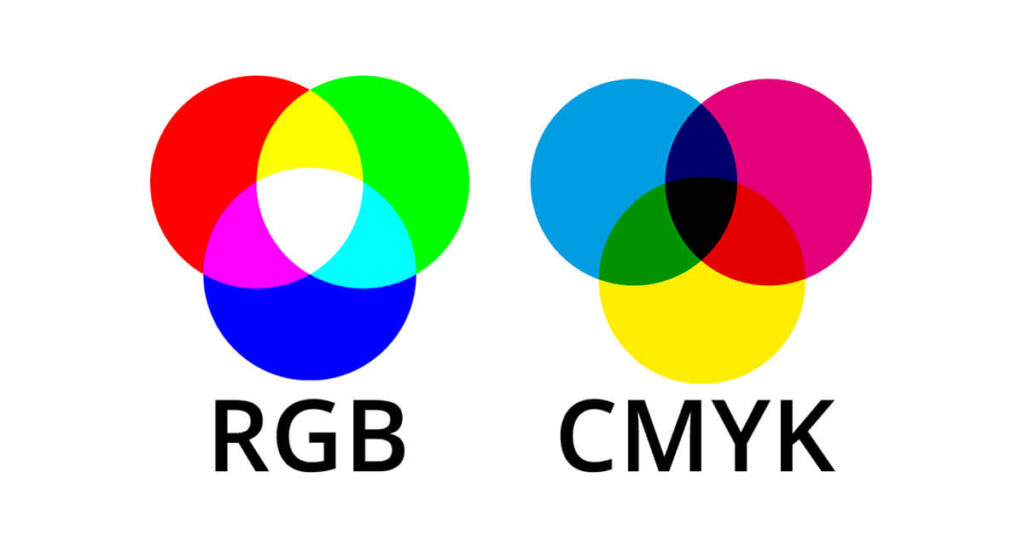
Many designers compare PMS colors with CMYK and RGB systems to understand their differences.
While CMYK blends four inks to approximate colors and RGB uses light for digital screens, PMS Pantone colors provide premixed, standardized shades for exact replication.
This means what you design is exactly what gets printed—a crucial advantage for minimalist branding where even slight variations can disrupt the intended aesthetic.
In terms of PMS colors meaning, this precision makes them ideal for solid blocks of color often used in minimalist packaging.
Unlike CMYK, where subtle differences between batches can occur, PMS ink colors maintain absolute consistency across all production runs.
Choosing the Right PMS Colors for Minimalist Packaging
Selecting the correct PMS colors for minimalist packaging involves strategic thinking.
Neutrals such as grays, whites, and muted blues remain popular for modern designs, while metallic PMS colors like silver and gold are often used for premium branding.
For eco-friendly packaging, earthy tones such as beige or soft greens communicate sustainability and simplicity effectively.
When considering PMS Pantone colors, it is also important to evaluate how the shades interact with the packaging material itself.
A color may appear slightly different on matte cardboard compared to glossy paper, so working closely with printers to test PMS ink colors before full production is recommended.
Benefits of PMS Colors in Maintaining Brand Consistency
Consistency builds brand recognition, and PMS colors ensure that a brand’s identity remains visually cohesive across all platforms.
Whether printing boxes, inserts, or promotional materials, PMS Pantone colors guarantee that every product batch aligns with the brand’s official color standards.
Minimalist packaging often uses limited palettes, so even slight deviations can be noticeable.
By choosing PMS ink colors, brands maintain uniformity, reinforcing professionalism and reliability while creating a strong visual connection with consumers.
Case Studies: Minimalist Packaging with PMS Colors
Consider a luxury skincare company that adopts PMS colors to maintain its minimalist white-and-gold packaging theme.
The brand uses metallic PMS colors for subtle gold accents, ensuring every product—from sample boxes to retail cartons—delivers the same premium look.
Similarly, an eco-conscious food brand employs muted green PMS Pantone colors to communicate sustainability.
Consistent use of these colors across labels, pouches, and shipping boxes strengthens brand identity while reflecting environmental values.
Future Trends: PMS Colors and Minimalist Packaging Innovation
The future of PMS ink colors in minimalist packaging points toward sustainability and innovation.
Pantone now offers eco-friendly inks that maintain color precision while reducing environmental impact.
Metallic PMS colors continue to gain popularity in luxury minimalist packaging, offering elegance without overwhelming the design.
Advancements in digital printing technology also mean faster, more accurate replication of PMS Pantone colors, enabling brands to maintain consistency even in small print runs or customized packaging solutions.
Common Mistakes to Avoid with PMS Colors in Minimalist Design
While PMS colors offer precision, designers sometimes misuse them by introducing too many shades, undermining the minimalist principle of simplicity.
Another common error involves skipping test prints, leading to unexpected variations between digital proofs and physical results.
To avoid these issues, brands should work closely with printers familiar with PMS Pantone colors and always request pre-production samples to confirm color accuracy before mass printing.
PMS colors remain an essential tool for achieving modern, clean, and consistent minimalist packaging designs.
From understanding what are PMS colors to selecting the right PMS ink colors for brand identity, their role in precision, consistency, and visual harmony is unmatched.
Whether incorporating subtle neutrals or metallic PMS colors for luxury appeal, brands using standardized Pantone shades ensure that every piece of packaging reflects professionalism, quality, and modern design principles.