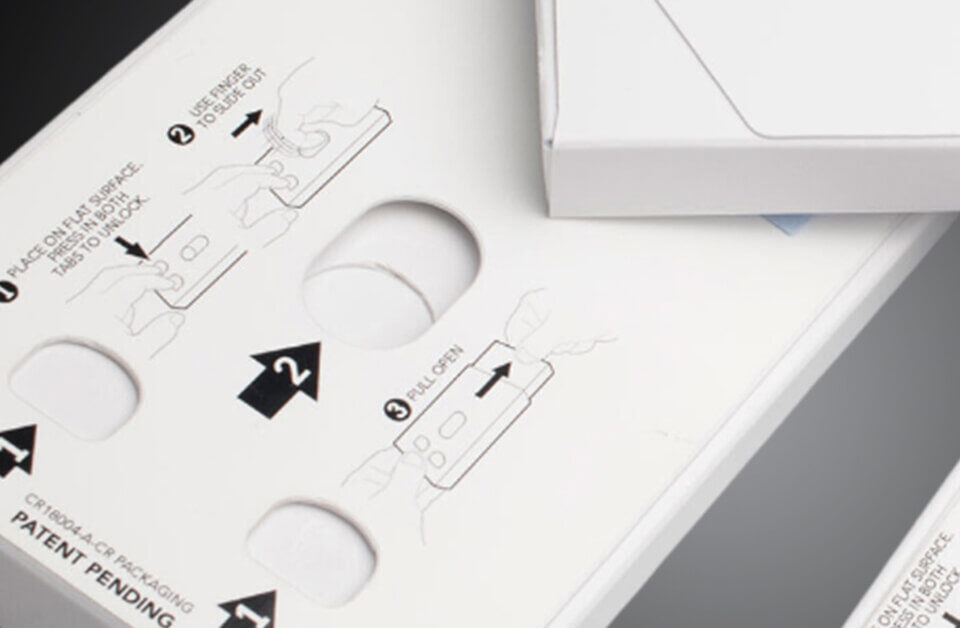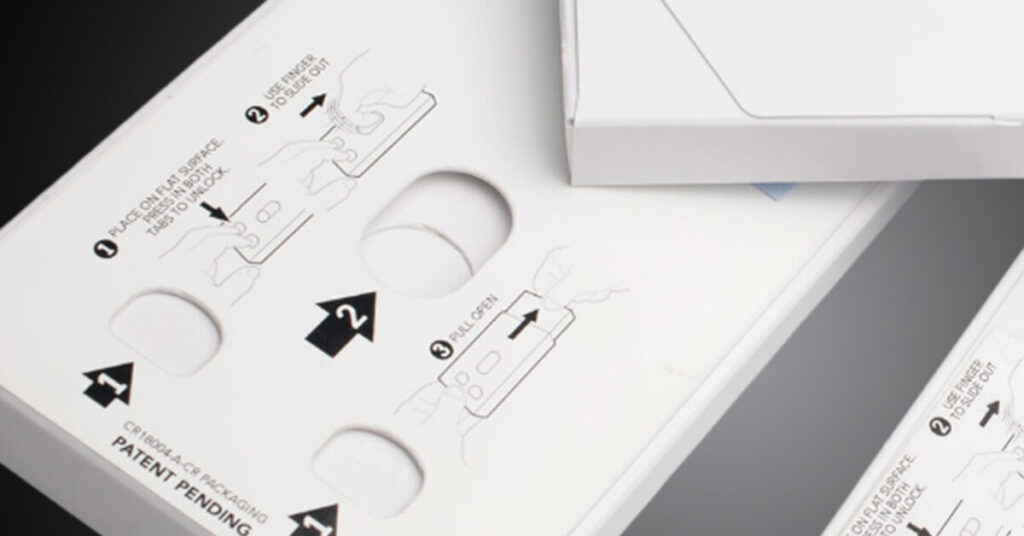

Secondary packaging plays a critical role in today’s competitive marketplace.
Businesses no longer view packaging as a simple protective layer; instead, they see it as an opportunity to strengthen branding, improve logistics, and create memorable customer experiences.
Understanding primary vs secondary packaging helps companies choose the right solutions for product safety and marketing impact.
The importance of secondary packaging extends beyond functionality—it directly influences customer perception and brand loyalty.
What is Secondary Packaging? A Clear Definition for Businesses
When businesses ask what is secondary packaging, they often want more than just a definition—they want to understand its role in logistics, branding, and customer experience.
Secondary packaging refers to the additional layer that groups individual products, often already in primary packaging, into a single unit for storage, handling, or transportation.
Unlike primary packaging, which directly contains and protects the product itself, secondary packaging focuses on bundling and branding while ensuring the products remain secure throughout the supply chain.
Understanding primary packaging vs secondary packaging helps clarify this distinction.

Image Credit: RR Medicinals | Pexels
Primary packaging may be a bottle for a beverage or a blister pack for medication, while secondary packaging could be a printed cardboard box that holds several bottles or blister packs together.
Both layers serve different yet complementary purposes:
primary packaging preserves the product’s integrity, whereas secondary packaging provides organization, branding opportunities, and logistical efficiency.
Most businesses rely on versatile secondary packaging materials that balance protection, cost-effectiveness, and sustainability.
Paper boxes remain popular for lightweight products such as cosmetics, small electronics, or retail accessories because they offer customization options like printing, embossing, or die-cut windows.
Cardboard tubes have gained attention for premium products like skincare items, candles, or specialty foods, combining durability with a unique unboxing experience.
Cardboard boxes, on the other hand, dominate e-commerce and retail shipping because they provide excellent stacking strength, compatibility with automated packing lines, and space for brand messaging.
Additionally, secondary packaging services often include shrink-wrapping, corrugated inserts, or multi-pack carriers for industries requiring extra protection or precise product arrangement.
For instance, beverage brands frequently use printed cartons to hold multiple bottles, while pharmaceutical companies depend on sturdy cardboard boxes with tamper-evident seals to ensure regulatory compliance.
Choosing the right secondary packaging and assembly methods depends on factors like product fragility, shipping conditions, storage requirements, and marketing goals.
As businesses explore different secondary packaging types, they must balance practicality with aesthetics.
Cost efficiency, environmental impact, and customer experience all influence material selection.
With growing demand for eco-friendly solutions, recyclable paperboard and biodegradable cardboard have become preferred materials, allowing brands to meet both functional and sustainability objectives without compromising product safety or visual appeal.
Importance of Secondary Packaging in Product Protection
The importance of secondary packaging becomes evident when products must withstand long supply chains, multiple handling stages, and varying storage conditions.
A well-designed secondary packaging system reduces the risk of product damage, contamination, or loss.
Brands today also incorporate sustainable materials such as recyclable cardboard or biodegradable plastics to align with eco-conscious consumer expectations.
This approach not only protects products but also enhances corporate responsibility and brand reputation.

Image Credit: Dadgrass | Pexels
Secondary Packaging and Assembly: Adding Efficiency to Operations
Modern businesses often rely on secondary packaging and assembly solutions to streamline operations.
This includes kitting, labeling, barcoding, shrink-wrapping, and palletizing—all critical steps for preparing products for retail shelves or shipping networks.
Outsourcing secondary packaging services allows companies to focus on core activities while ensuring professional packaging quality and consistency.
Industries like pharmaceuticals, cosmetics, and food rely heavily on these services to meet strict regulatory and operational standards.
Secondary Packaging as a Branding Tool
Beyond protection, secondary packaging acts as a powerful branding tool.
A well-designed outer package communicates a brand’s identity through colors, logos, and printed messages.
Businesses can turn ordinary boxes into marketing assets by incorporating unique graphics or QR codes that link to product information or promotional campaigns.
For e-commerce companies, creative secondary packaging services help elevate the unboxing experience, making each delivery memorable for customers and encouraging repeat purchases.
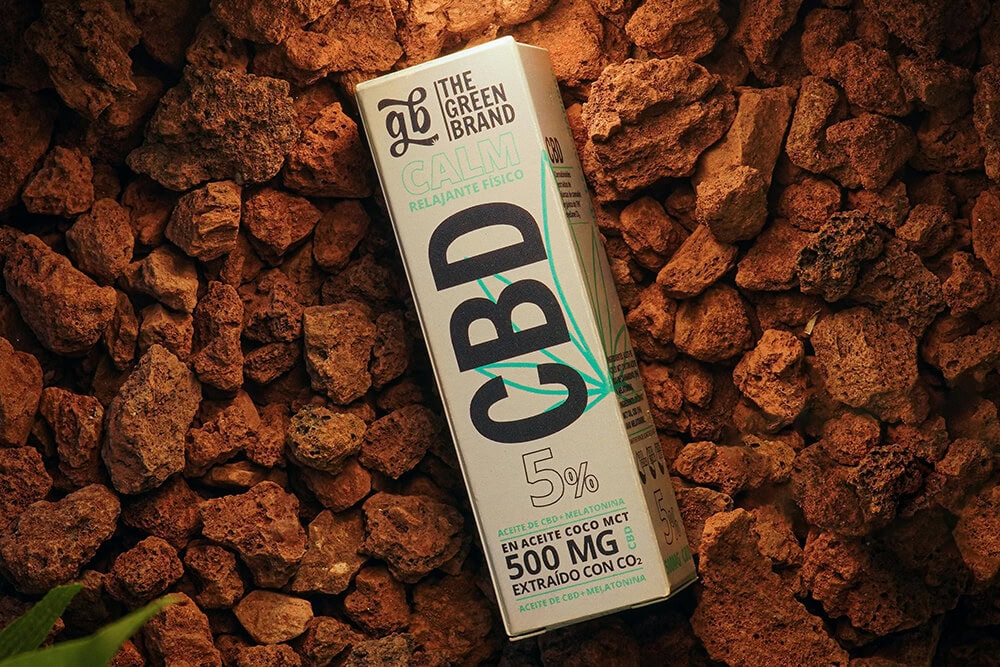
Image Credit: GB The Green Brand | Pexels
Primary vs Secondary Packaging: Key Differences Businesses Must Know
Understanding primary vs secondary packaging helps businesses maintain both compliance and customer satisfaction.
Primary packaging protects the product itself—such as bottles for cosmetics or blister packs for pharmaceuticals—while secondary packaging groups these units for distribution or sale.
Regulatory requirements often differ between primary packaging vs secondary packaging, especially in sectors like healthcare or food, where labeling accuracy and tamper evidence remain essential.
Recognizing these differences ensures businesses meet safety standards while enhancing product presentation.

Image Credit: Dadgrass | Pexels
Secondary Packaging Services for E-Commerce and Retail
The growth of online shopping and subscription services has increased demand for specialized secondary packaging services.
E-commerce retailers use sturdy, branded boxes to protect products during shipping while reinforcing brand identity upon delivery.
Retail chains, on the other hand, rely on secondary packaging to organize bulk shipments for efficient shelf stocking.
Customization options—such as die-cut windows, printed inserts, and eco-friendly materials—allow businesses to design packaging that meets both functional and aesthetic requirements.
Future Trends in Secondary Packaging Design and Technology
Emerging technologies continue to reshape secondary packaging and assembly processes.
Smart packaging with QR codes or NFC tags now provides product authentication, supply chain tracking, and customer engagement opportunities.
Automation and AI-powered robotics improve packaging speed and accuracy, reducing operational costs while maintaining quality.
Additionally, sustainable innovations—like compostable films or plant-based inks—reflect consumer demand for environmentally friendly packaging options.
Businesses that adopt these trends will stay ahead in both efficiency and brand appeal.

Image Credit: Karolina Grabowska | Pexels
Conclusion: How Secondary Packaging Protects Products and Builds Brands
The importance of secondary packaging lies in its ability to protect products, improve operational efficiency, and enhance brand recognition.
By leveraging professional secondary packaging services, businesses can ensure their products remain safe, comply with industry regulations, and deliver exceptional customer experiences.
Companies that invest in innovative, sustainable, and well-designed secondary packaging solutions gain a competitive edge in today’s rapidly evolving marketplace.