

In 2026, the cannabis industry faces a transformative regulatory landscape.
Legal mandates and environmental goals now intersect, making sustainable cannabis packaging a core requirement for any viable business.
State regulators and federal agencies increasingly demand that brands take responsibility for the entire lifecycle of their products.
This guide provides a roadmap for navigating these shifting laws while utilizing innovative, eco-friendly materials that protect your brand and the planet.
The EPR Revolution: Paying for the Packaging Lifecycle
State-level Extended Producer Responsibility (EPR) laws now dictate the financial reality of the market.
Milestone regulations in California, Colorado, and Oregon impose significant fees on brands that utilize non-recyclable or hard-to-process materials.
By choosing cannabis sustainable packaging, you directly reduce your tax burden.
EPR programs reward material efficiency.
When you transition to mono-material structures—such as 100% paperboard or single-substrate plastics—you ensure that automated sorting facilities correctly identify and process your waste.
These “circular” designs lower the fees you pay into state funds, transforming sustainable packaging for cannabis industry into a strategic financial asset.
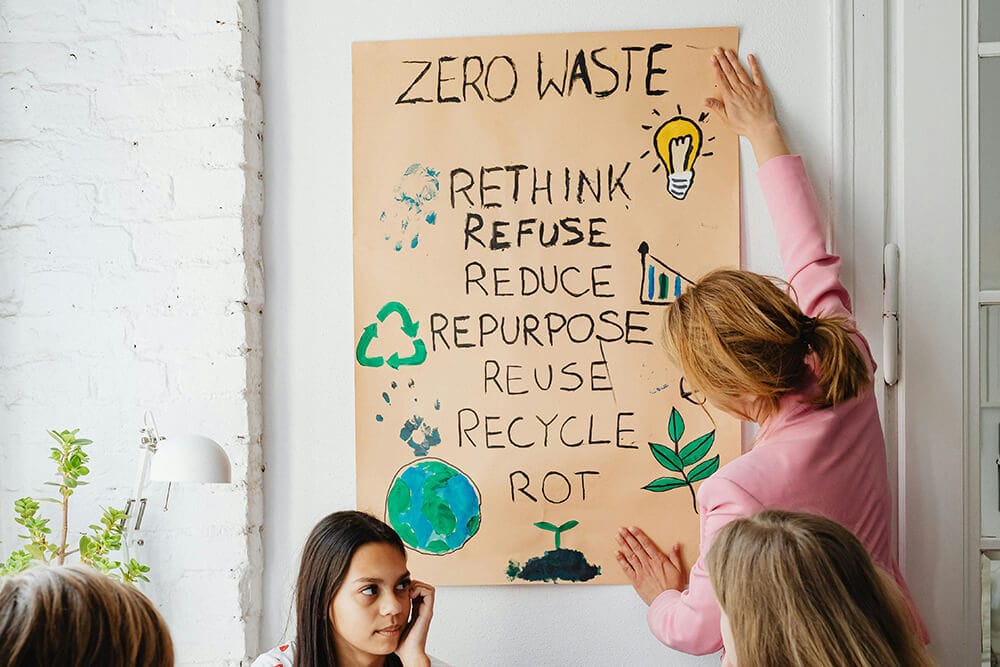
Image Credit: Karola G | Pexels
Material Safety: The Elimination of “Forever Chemicals”
Health and safety regulators have sharpened their focus on the chemical composition of packaging liners and coatings.
As of January 2026, several states have enacted strict reporting requirements and bans on PFAS, often called “forever chemicals.”
These substances frequently appear in moisture barriers and grease-resistant coatings for edibles.
Compliance now requires rigorous supply chain verification.
Leading brands avoid these risks by adopting pure paper solutions that utilize mechanical barriers or bio-based coatings instead of chemical additives.
Selecting certified PFAS-free sustainable packaging for cannabis products ensures your brand remains compliant with the latest health mandates while maintaining the purity of your flower or concentrates.
Truth in Labeling: Navigating Strict New Mandates
The days of vague “eco-friendly” claims have ended. California’s AB 1201 and SB 343 now restrict the use of the “chasing arrows” recycling symbol and the word “compostable” unless the packaging meets specific, verifiable criteria.
If a material cannot be effectively recycled in at least 60% of the state, you cannot label it as recyclable.
To navigate these “Truth in Labeling” laws, you must provide clear, evidence-based disposal instructions.
Many successful operators now integrate QR codes into their sustainable cannabis packaging to guide consumers toward localized recycling programs.
This digital transparency satisfies regulators and builds a deeper level of trust with eco-conscious consumers who demand honesty over marketing buzzwords.
Aesthetics vs. Protection: The Pharmaceutical Shift
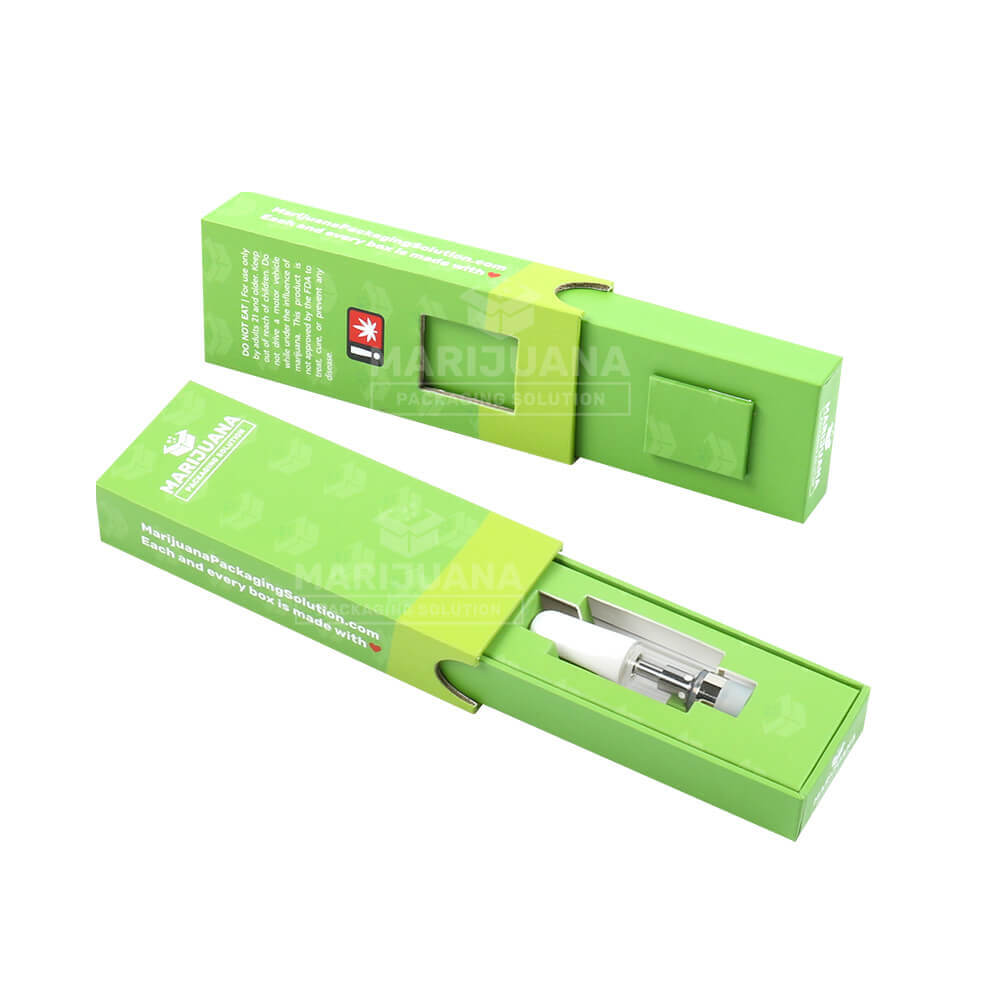
Safety regulators continue to tighten restrictions on packaging visuals to prevent youth appeal.
New York and California have expanded their bans on bright neon colors, fruit imagery, and cartoonish fonts.
This shift toward a more “pharmaceutical” aesthetic aligns perfectly with the natural look of sustainable packaging for cannabis.
Earth-toned, matte-finish paperboard provides a sophisticated, professional appearance that satisfies safety inspectors.
For example, sustainable cannabis pre roll packaging often utilizes rigid paper tubes with integrated, plastic-free child-resistant (CR) sliders.
These designs offer a high-end tactile experience while adhering to the most stringent safety protocols in the country.

Image Credit: Brett Sayles | Pexels
Future-Proofing Your Design Strategy
The regulatory environment will only grow more complex as federal hemp language and international plastic treaties evolve.
We recommend that brands conduct bi-annual audits of their packaging materials to ensure ongoing compliance.
Adopting sustainable cannabis packaging is the most effective way to future-proof your business against the next wave of environmental legislation.
By prioritizing mono-materials, eliminating harmful chemicals, and embracing transparent labeling, you create a brand that is resilient, compliant, and respected.