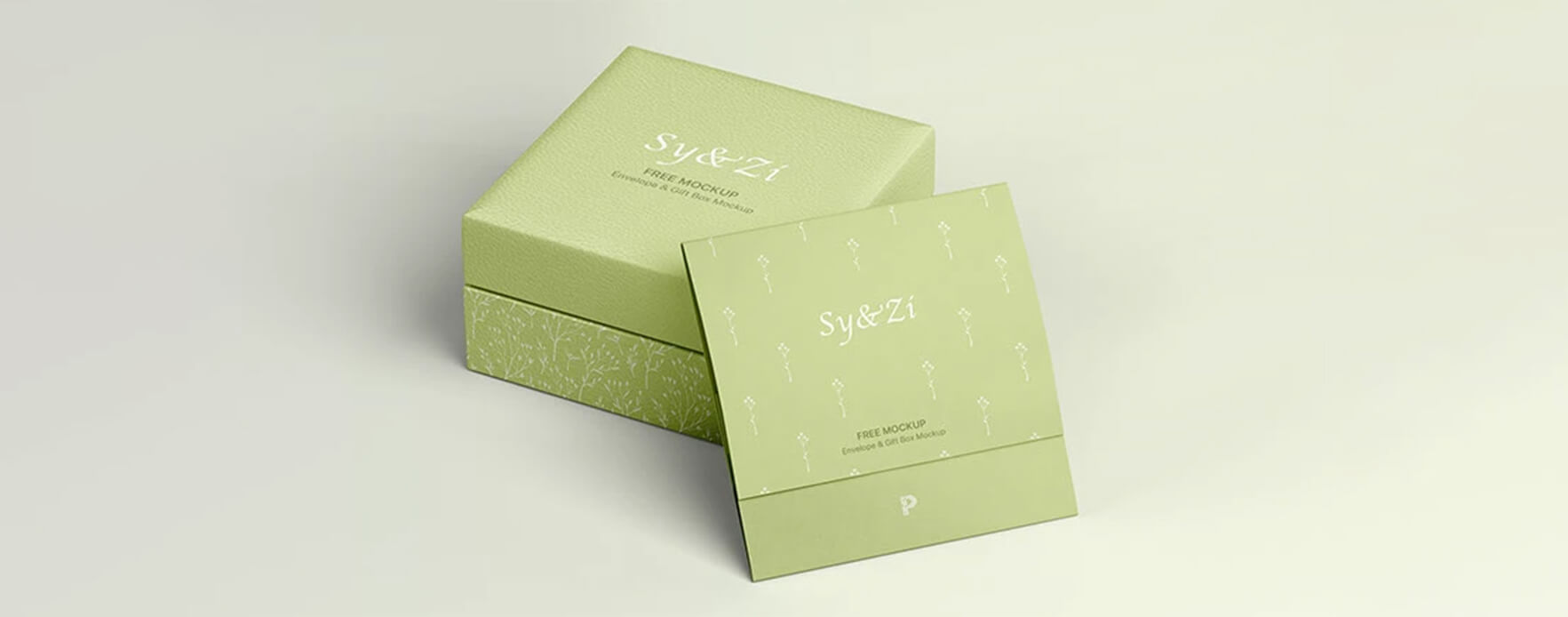
Textured Paper
Textured paper offers a distinctive and elevated look for custom paper packaging.
Unlike standard smooth paper, textured paper introduces subtle patterns and raised surfaces that add depth, character, and a sense of craftsmanship to packaging designs. Whether used for rigid textured boxes, textured cardstock paper, or wrap labels, this material enhances visual appeal while also delivering a unique feel in the hand. Available in a wide variety of finishes—such as leather textured paper, white textured paper, or black textured paper—it allows for a range of creative applications across edibles, pre-rolls, vape cartridges, and more.

1
What is Textured Paper
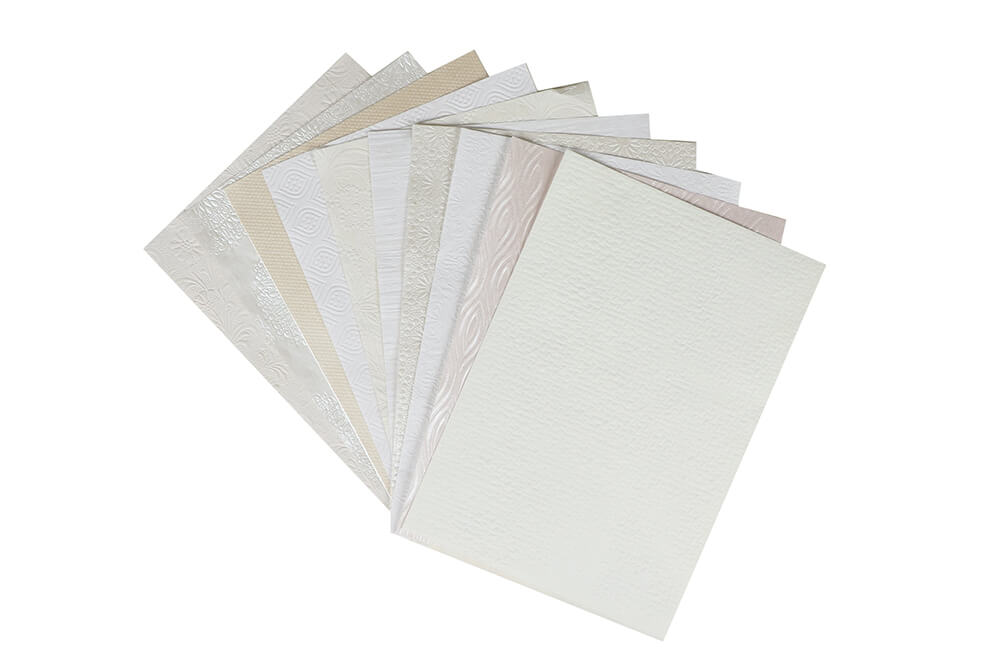
Textured paper is a type of specialty paper that features a raised or embossed surface pattern, giving it a tactile and visually distinctive appearance. Unlike smooth or glossy papers, textured paper incorporates unique surface designs—such as linen, leather, felt, or laid textures—that are either pressed into the paper during manufacturing or added through post-production treatments.
2
What’s Textured Paper Made of?
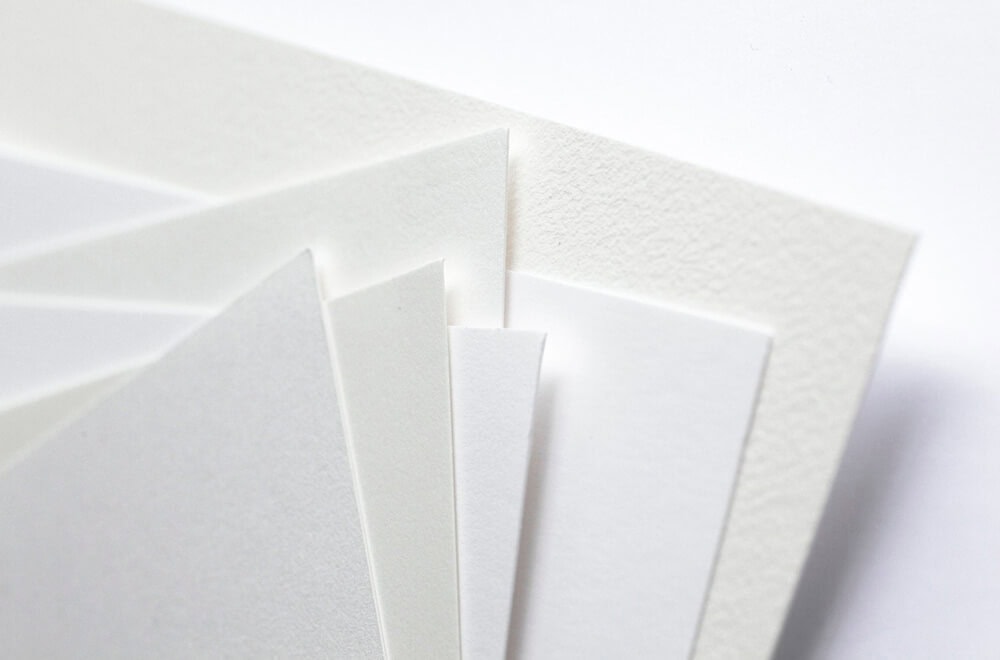
Textured paper is commonly made from high-quality cellulose fibers, and may also include recycled content or wood-free pulp, depending on the desired finish and sustainability goals. Some textured papers are uncoated for a natural, matte look, while others may be coated to enhance durability and printability.
3
What Makes It Different?
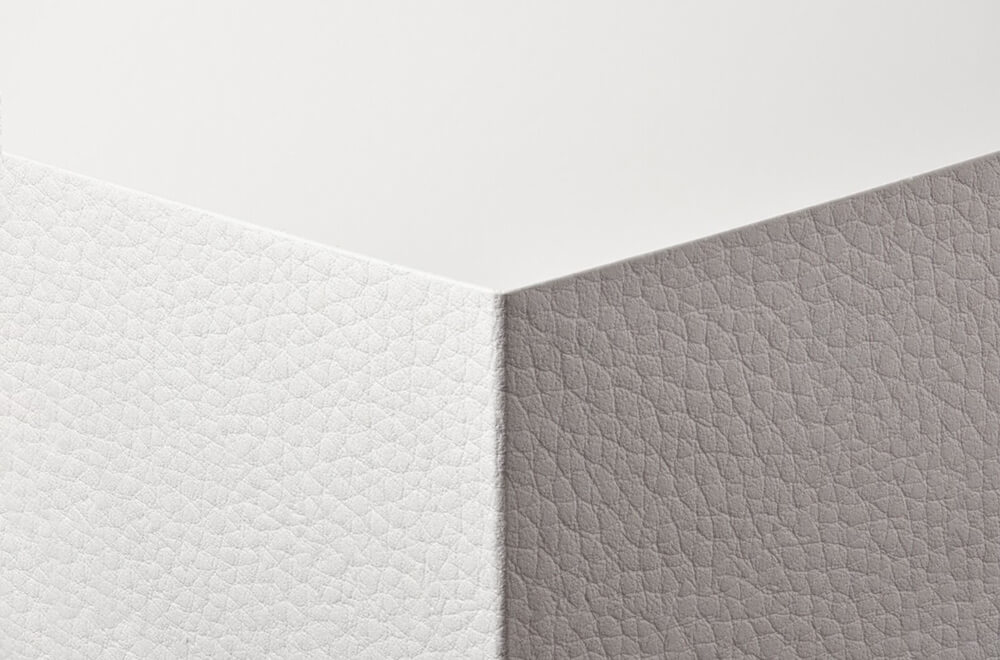
What sets textured paper apart is its ability to add a sense of depth and sophistication to packaging. It is widely used in premium product boxes, luxury labels, and high-end cannabis packaging where tactile appeal plays a major role in brand perception. Whether it’s used for folding cartons, rigid boxes, or textured cardstock paper, this material helps brands stand out with a crafted, elegant presentation that appeals to both the eye and the touch.
Benefits of Textured Paper in Custom Packaging
Ready to Customize Your Textured Paper Boxes?
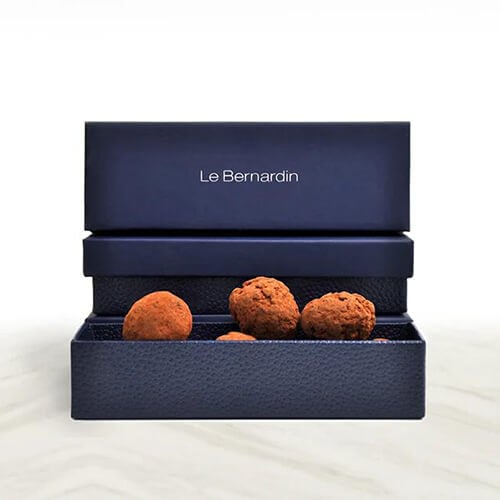
Textured Paper vs. Embossed Art Paper
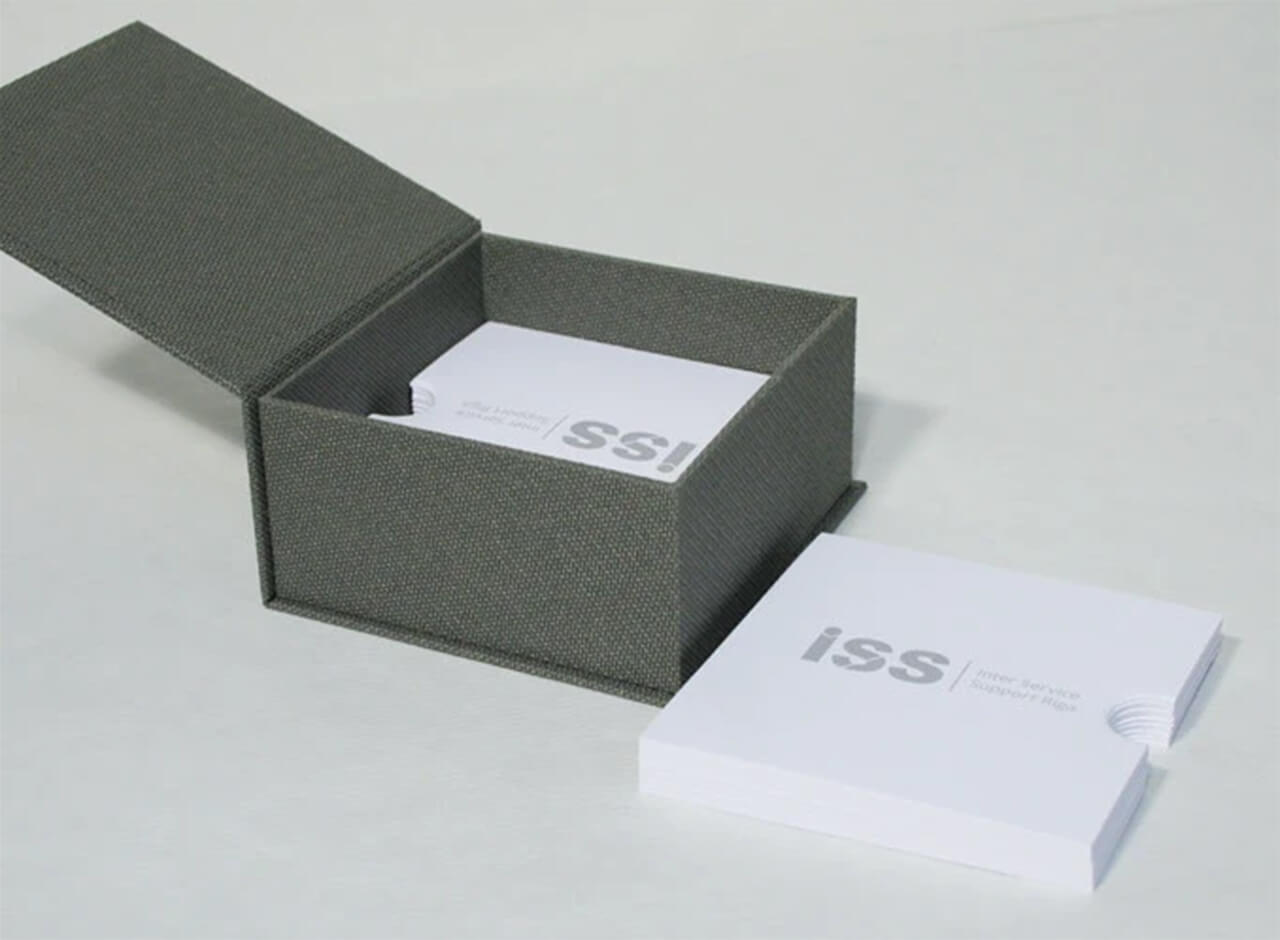
Textured Paper
Textured paper is manufactured with a built-in texture—like linen, laid, felt, or leather grain—formed during the papermaking process. The texture is uniform and consistent across the entire surface.
Best used for:
- Giving your entire packaging a sophisticated, tactile feel.
- Maintaining a uniform surface across large areas like drawer boxes, sleeves, or cartons.
- Enhancing brand identity through subtle textures that don’t overpower design elements.
Limits:
- Not suitable for direct printing methods like CMYK or PMS printing
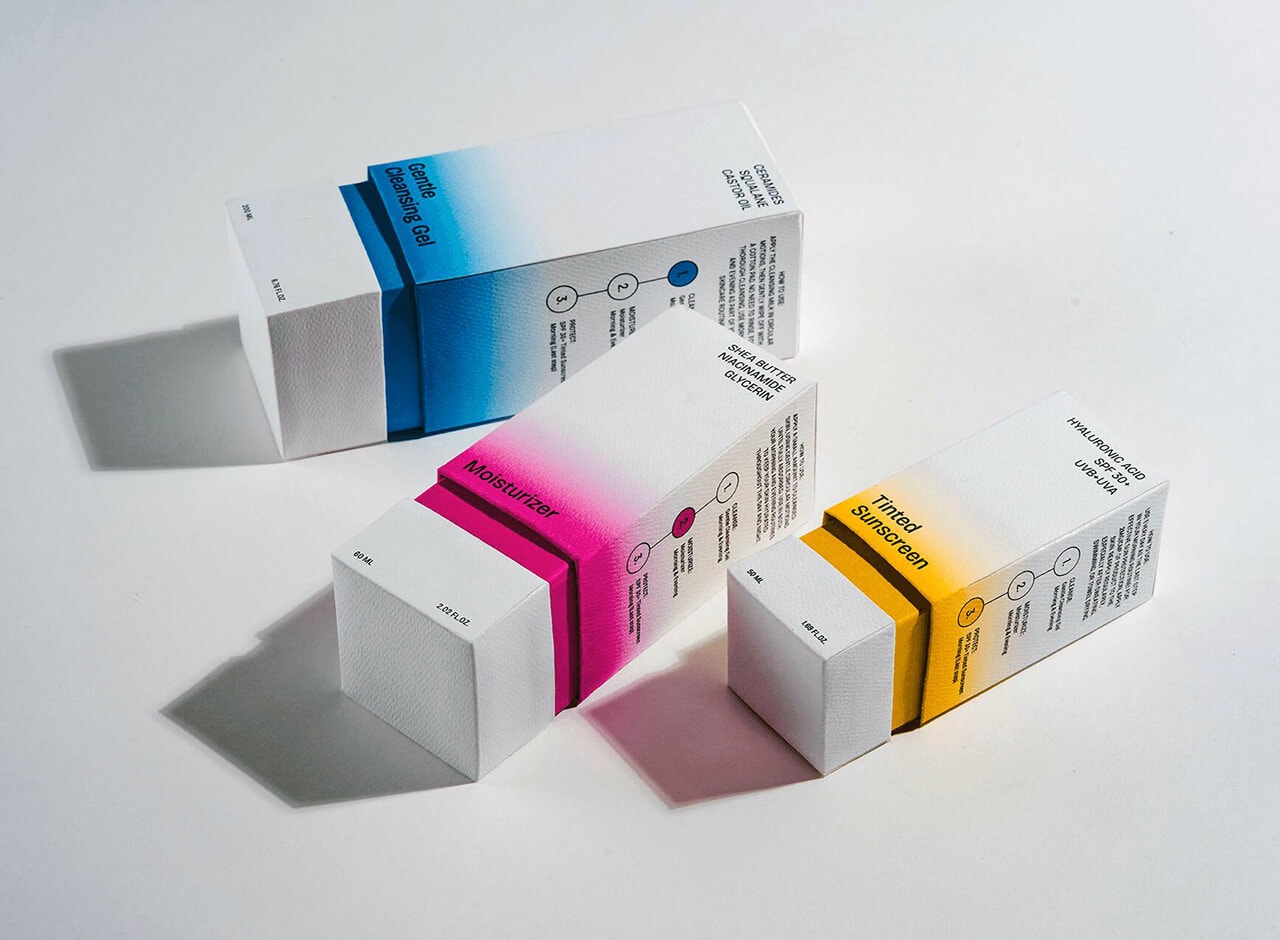
Embossed Art Paper
Embossed art paper starts as a flat, smooth sheet—typically coated or uncoated art paper—that undergoes an embossing process to imprint a pattern or design (e.g., floral, geometric, or linen texture). This gives it a designer, decorative finish.
Best Used For:
- Creating a premium feel with visually striking, patterned textures.
- Adding artistic or ornamental effects to rigid boxes, magnetic closure boxes, or gift sets.
- Drawing attention to a custom look that mimics textiles or traditional artwork.
Limits:
- Limited texture options for choosing
Key Difference?
Textured Paper
Textured paper, due to its inherently uneven surface, is not suitable for direct printing methods like offset or digital printing. The texture can interfere with ink absorption and lead to inconsistent results. As a result, textured paper is best paired with finishing techniques such as hot foil stamping, Spot UV, or embossing to achieve a premium look without relying on full-color printing.
Embossed Art Paper
In contrast, embossed art paper starts as a smooth surface that allows for high-quality printing before the texture is applied. Since the embossing is done after the printing process, this material supports all standard printing methods and surface treatments, making it far more versatile for detailed graphics, branding elements, and decorative finishes.
Surface Treatments for Textured Paper Packaging
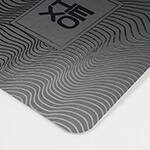
✅ Spot UV / Raised UV
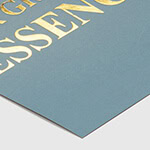
✅ Hot Foil Stamping
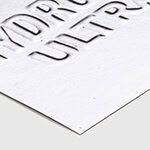
✅ Embossing / Debossing