As THC tinctures continue gaining popularity for their precision, discretion, and fast-acting effects, cannabis brands are quickly learning that packaging plays a much bigger role than just housing a product.
From preserving potency to meeting strict compliance standards, THC tincture packaging has become a key part of launching a successful product.
In this guide, I’ll walk you through everything cannabis brands need to know—from selecting the right glass dropper bottles and meeting U.S. labeling laws to implementing child-resistant features and choosing custom printed boxes that reflect your brand identity.
I’ll also touch on sustainable packaging options, niche needs for delta 8 THC tinctures, how tincture packaging differs from edibles, and the most important features to consider before going to market.
Whether you’re designing packaging for a 1000mg THC tincture or exploring options for custom CBD blends, this guide will help you make smart, compliant, and brand-worthy decisions.
1. Why THC Tincture Packaging Matters
THC tincture is quickly becoming one of the most sought-after cannabis products for both recreational and medical users.
As someone who’s worked with a lot of cannabis packaging solutions, I’ve noticed that THC tincture stands out because of how discreet, precise, and fast-acting it is.
That rising popularity also means the packaging expectations are higher than ever.
In the cannabis industry, packaging is about compliance, functionality, and brand storytelling.
THC tincture packaging must meet strict legal requirements while also protecting the product and enhancing the customer’s experience.
It’s one of the most important touchpoints your brand has with consumers, and getting it right can boost trust, safety, and shelf appeal.
From state-specific regulations to child safety laws, THC tincture packaging plays a crucial role in shaping how your brand is perceived.
Whether you’re just starting out or refreshing your product line, you need packaging that’s compliant, protective, and uniquely you.
2. What Is THC Tincture and Why It Needs Special Packaging
If you’re new to the world of THC tinctures, let’s start with the basics.
A THC tincture is a cannabis extract that’s suspended in alcohol or oil and usually consumed by placing a few drops under the tongue.
It’s known for its fast onset time and easy dosage control—something a lot of consumers prefer over edibles.
Because it’s a liquid, THC tincture packaging needs to be leak-proof and light-resistant to preserve its potency.
THC is light-sensitive, meaning exposure to UV rays can degrade the quality of the product.
Additionally, dosage accuracy is key, so packaging must enable precise delivery—usually through a calibrated dropper.
Unlike edibles, which often come in pouches or jars, THC tinctures need secure, sealed bottles that won’t spill, leak, or confuse users.
That’s why packaging for tincture THC requires more careful attention to material selection and sealing mechanisms.
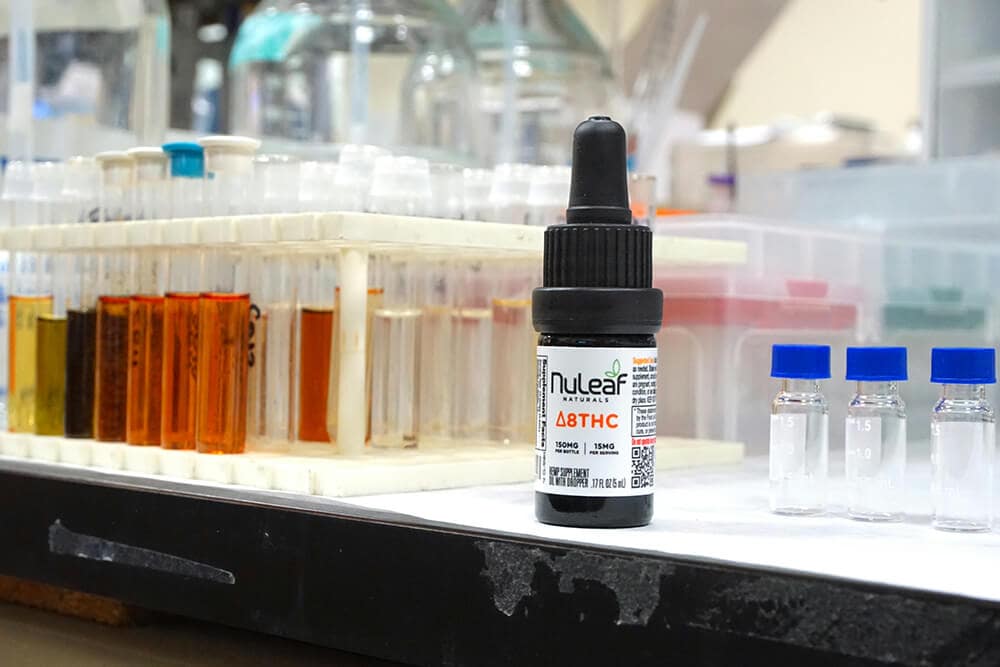
Image Credit: Elsa Olofsson | Unsplash
3. Choosing the Right Bottle: Glass Dropper Bottles & Vial Options
When it comes to choosing the right bottle for your THC tincture, glass is the industry gold standard.
Amber glass bottles are ideal because they offer superior UV protection, which helps extend the shelf life of the tincture.
Clear glass might look sleek, but it’s better suited for products with short turnaround times or for showcasing color in a secondary box.
Most brands go for 15ml or 30ml sizes, especially for THC tincture 1000mg doses.
These standard volumes are familiar to consumers and easier to dose.
The dropper cap is another vital piece.
Calibrated droppers help users measure their dose accurately, and options like spray nozzles or pump tops are becoming more popular.
Don’t forget child-resistant closures—these are often required by law and essential for safety and compliance.
4. THC Tincture Labeling Requirements in the U.S.
Labeling your THC tincture properly is about more than just branding—it’s a legal requirement.
Your label needs to include essential information like the cannabinoid profile (e.g., THC/CBD ratio), dosage per serving, total volume, batch or lot number, and manufacturing date.
Some states even require a QR code linking to third-party lab results.
Font size, label layout, and warning statements must follow state-specific guidelines.
For example, California mandates that warning labels be at least 6-point font and include the universal cannabis symbol.
Whether you’re selling tincture THC in the U.S., Canada, or elsewhere, double-check that your labels meet local regulations.
A small mistake can lead to big fines or product recalls.
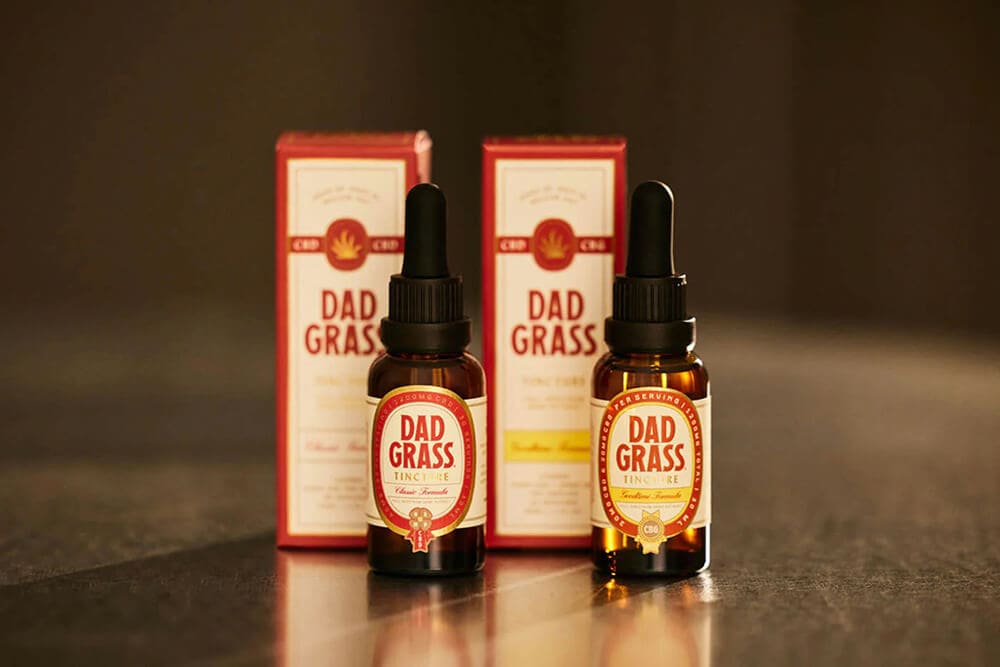
Image Credit: Dad Grass | Unsplash
5. Child-Resistant & Tamper-Evident Features
Safety features are non-negotiable for THC tincture packaging.
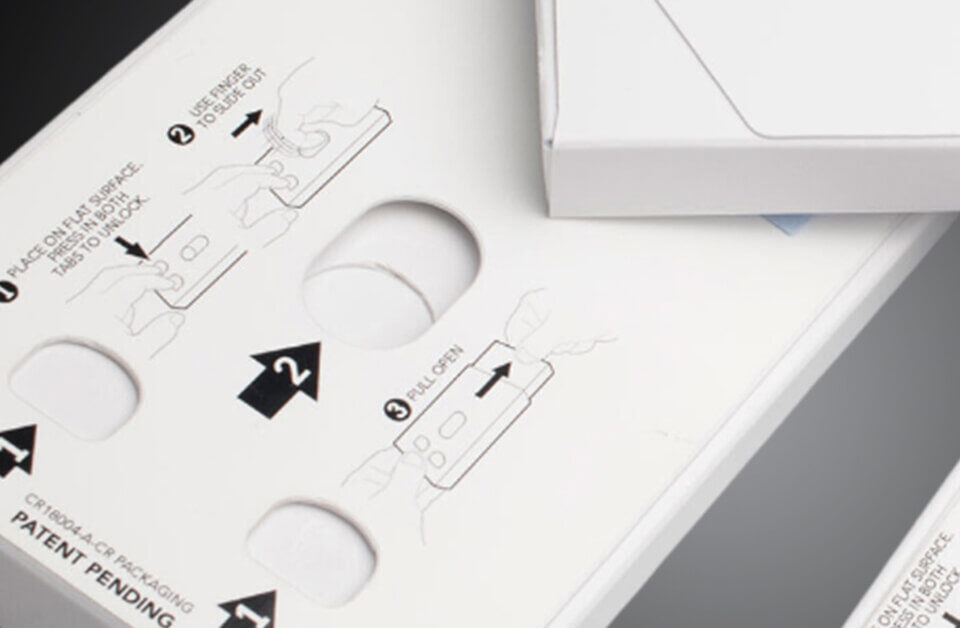
Most states require both child-resistant and tamper-evident mechanisms.
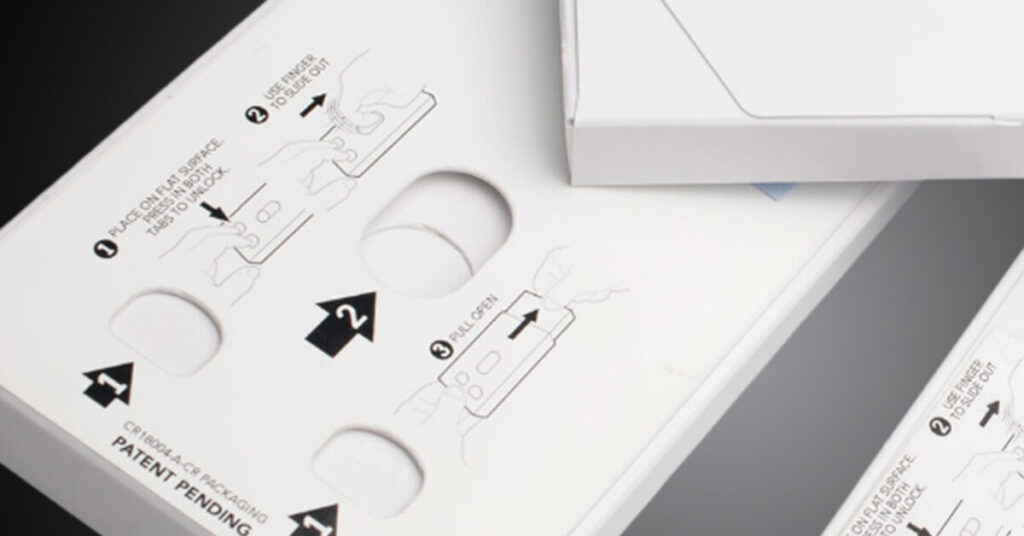
That means your packaging needs to prevent kids from accidentally opening it and show evidence if someone’s tampered with the product.
Child-resistant dropper caps are common in the market, and they come in several formats, including push-and-turn or squeeze-and-turn mechanisms.
For extra security, many brands add a shrink band over the cap or a tamper-evident seal that tears upon first use.
These features build consumer trust while also protecting your brand from regulatory risk.
6. Custom Printed Boxes for THC Tincture Drops
While the bottle is essential, your secondary packaging is where you can really make your THC tincture stand out.
A well-designed custom box not only protects the bottle but also communicates your brand’s story.
You can choose between matte and gloss finishes, or go a step further with foil stamping, spot UV, or embossing.
These tactile elements add a premium feel and help the box stand out on dispensary shelves.
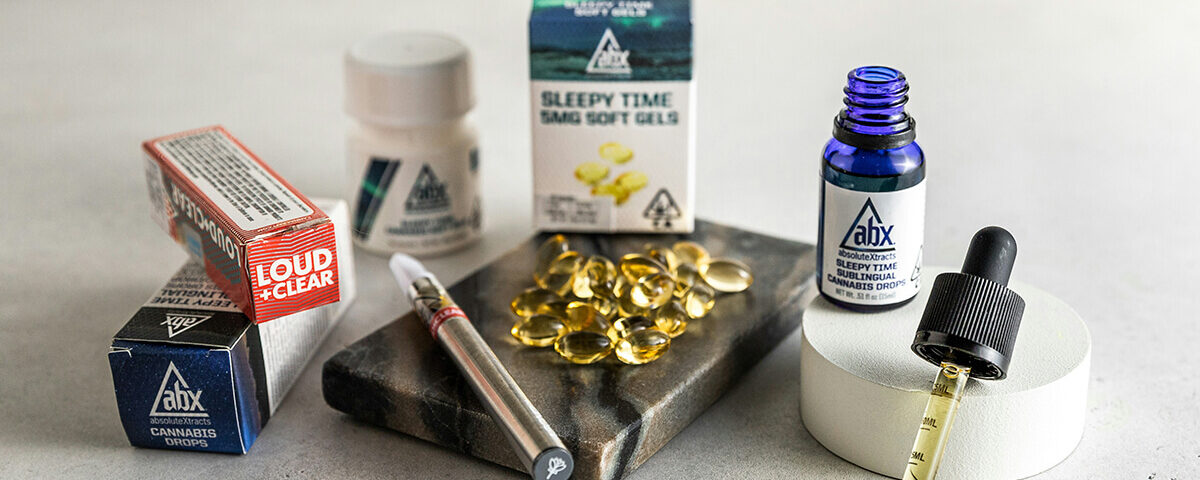
Custom boxes also allow you to organize information clearly—something especially helpful when you offer more than one variant, like a THC CBD tincture or a delta 8 THC tincture.
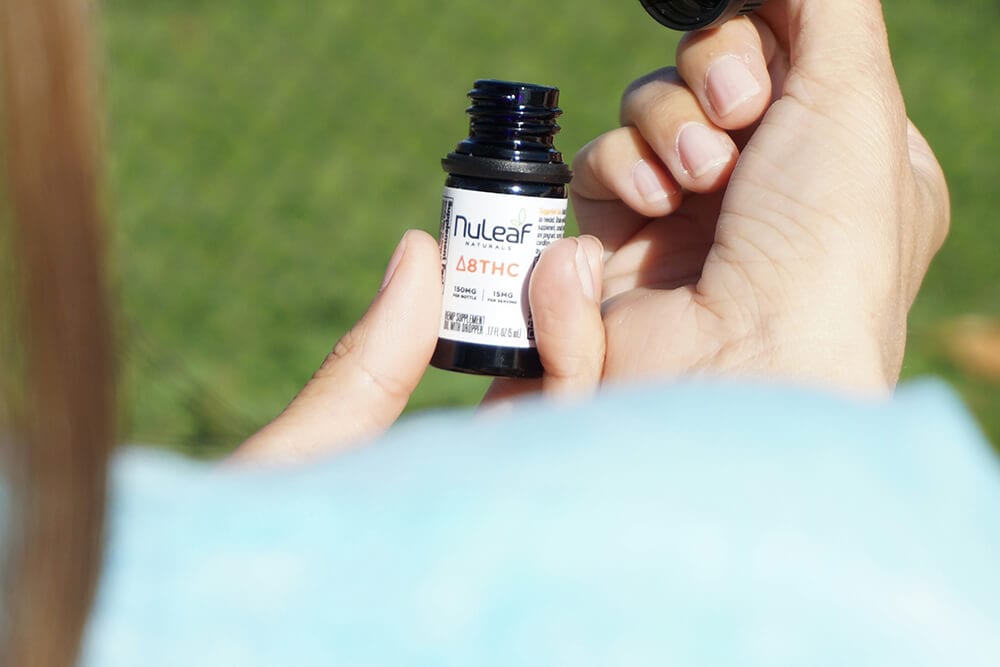
Image Credit: Elsa Olofsson | Unsplash
7. Sustainability Trends in THC Tincture Packaging
More cannabis brands are switching to eco-conscious packaging—and for good reason.
Customers are paying attention to how sustainable your THC tincture packaging is.
You can opt for recyclable amber glass bottles, compostable box materials, or biodegradable inks.
FSC-certified paper is also a smart move if you’re working with paperboard cartons.
Minimalist designs not only look sleek but also reduce waste. It’s all about delivering value without compromising the environment.
8. Delta 8 THC Tincture and Niche Packaging Considerations
Delta 8 THC tincture has its own niche in the market, and the packaging should reflect that.
Since delta 8 is less potent than delta 9, many consumers are new to it and need educational cues on the label or box.
Clear visual distinctions between your delta 8 and traditional THC tinctures can prevent confusion and help guide consumer expectations.
I’ve seen brands use unique colors, icons, or flavor indicators to differentiate their products while still keeping a cohesive brand image.
This is also where packaging plays a role in education—answering questions like “what is THC tincture” or “does THC tincture get you high” right on the label can go a long way.
9. THC Tincture vs Edible: How Packaging Differs
It’s easy to lump tinctures in with edibles, but they need very different packaging strategies.
Tinctures require packaging that supports dosage precision, light protection, and child resistance. Edibles, on the other hand, focus more on freshness, tamper resistance, and portability.
Tincture THC bottles need calibrated droppers for accurate dosing and often come with secondary boxes to support branding.
Edibles might use resealable pouches or blister packs, depending on the product.
The messaging also shifts—tinctures emphasize effects, onset speed, and dosing instructions, while edibles focus more on flavors and experience.
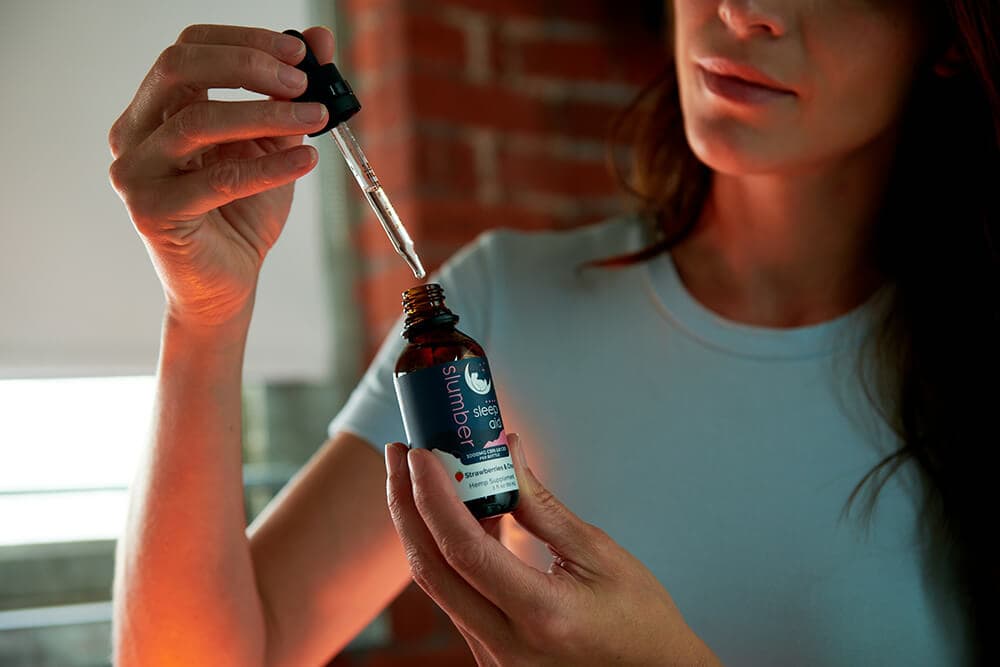
Image Credit: Slumber Sleep Aid | Unsplash
10. Final Checklist: What Cannabis Brands Should Look For
Before launching your THC tincture product, run through this quick checklist:
Compliance: Does your packaging meet state and federal laws?
Functionality: Is the product protected from light, leaks, and children?
Labeling: Are you including dosage, THC/CBD content, and batch info?
Branding: Does the packaging tell your story and stand out on shelves?
Sustainability: Are you using recyclable or biodegradable materials?
Cost and supply: Can your supplier deliver consistently without breaking the bank?
THC tincture packaging may seem like a small detail, but it’s one of the most critical factors in your brand’s success.
Take the time to get it right.
Choosing the right THC tincture packaging is more than just a design decision—it’s a strategic move that protects your product, aligns with regulatory standards, and builds consumer trust.
From selecting high-quality dropper bottles and ensuring compliant labeling to incorporating child-resistant closures and sustainable materials, every detail matters.
As the cannabis market grows increasingly competitive, brands that invest in thoughtful, functional, and compliant packaging will stand out on dispensary shelves and earn lasting customer loyalty.
If you’re looking to position your THC tincture products for long-term success, start by making packaging a priority.