
A weed rolling tray may seem like a basic accessory, but it plays a major role in the cannabis experience.
For brands looking to leave a lasting impression, this seemingly simple item offers a valuable canvas for design and branding.
In my experience, a thoughtfully crafted weed rolling tray doesn’t just serve a function—it becomes part of the daily ritual for many consumers.
If you want your customers to keep—and actually use—your weed rolling tray, you’ll need to go beyond printing a logo.
From choosing the right materials to nailing the aesthetics and functionality, here’s everything I’ve learned about designing a weed rolling tray that gets used, not tossed.
1. Understand the Core Function of a Weed Rolling Tray
Before diving into the design, it’s important to understand the basic purpose of a weed rolling tray.
It’s a flat surface designed to help users prepare and roll their cannabis efficiently, keeping the process clean and contained.
A great weed rolling tray should offer a non-stick, easy-to-clean surface, with enough room to hold tools, papers, and flower.
When customers look for a rolling tray for weed, they want something that minimizes mess and maximizes ease of use.
Your design must take that into account from the very beginning.
If the tray doesn’t work practically, it won’t matter how attractive it looks—it’ll get left in the drawer.

Image Credit: Capture Dbyaugutine | Pexels
2. Choose Durable, Appealing Materials
Material selection plays a major role in how a weed rolling tray is perceived.
While plastic trays are affordable, they can often feel disposable.
I’ve found that metal rolling trays for weed—particularly stainless steel and aluminum—convey a more premium, long-lasting impression.
Bamboo and wood also appeal to the eco-conscious customer and provide a natural, tactile feel.
On the other hand, a paper rolling tray can be cost-effective for single-use promotions or limited-edition packaging.
Whatever material you choose, make sure it aligns with your brand and the expectations of your target market.
3. Prioritize Shape, Size, and Portability
A rolling weed tray must fit comfortably into a user’s lifestyle.
Standard dimensions—roughly 7 to 11 inches in length—work well for most use cases.
However, it’s smart to offer different sizes for different users.
A mini weed rolling tray is ideal for on-the-go use, while a larger tray serves those who prefer to roll at home.
Rounded edges, curved lips, and raised borders are all practical features that prevent spillage.
If a tray is too bulky or awkward to carry, it’s less likely to be used regularly.
I always recommend testing your prototypes in real-life scenarios before finalizing your weed rolling tray design.
4. Use Branding That Feels Premium, Not Promotional
The biggest mistake I see brands make is treating the weed rolling tray like a throwaway swag item.
If your tray looks like cheap promotional merchandise, that’s how it will be treated. Instead, approach it like a long-term brand asset.
Subtlety goes a long way. Instead of plastering your logo front and center, try using embossing, metallic foil, or minimalist design elements.
Incorporate your brand colors or iconography in a way that feels natural and elevated.
A tray that looks like a design piece will be proudly displayed, not hidden away.

Image Credit: The Earthy Jay | Unsplash
5. Add Functional Features That Set You Apart
The weed rolling tray has evolved beyond a flat board.
Many popular trays now include magnetic lids, storage compartments, sifting sections, or tool holders.
These features add convenience and differentiate your tray from generic alternatives.
For example, including an area that snugly holds a grinder or lighter increases user value.
A well-designed weed rolling tray set with coordinated accessories can make your product even more memorable.
By combining form and function, you turn a simple tray into a daily-use essential.
6. Align with Sustainability and Market Trends
Today’s cannabis consumers care about sustainability, and your weed rolling tray should reflect that.
Using recyclable or biodegradable materials, low-impact inks, and minimal packaging are all smart ways to show that your brand takes responsibility seriously.
If you’re offering a paper rolling tray, make sure it’s made with FSC-certified or post-consumer recycled materials.
You can even create reusable trays that double as storage to further reduce waste.
Not only does this make your packaging more eco-friendly—it also earns respect from environmentally conscious customers.

Image Credit: KindelMedia | Pexels
7. Design for Collectibility and Reuse
One strategy I’ve found especially effective is designing trays with collectible artwork or limited-edition collaborations.
When customers see the tray as a piece of art rather than just a tool, they’re much more likely to keep and reuse it.
Consider working with local artists or running small-batch drops that rotate seasonally.
Some customers even build collections of rolling trays, especially if the visuals are striking or meaningful.
With the right design, your weed rolling tray can live on desks, coffee tables, and social media feeds—providing ongoing exposure for your brand.
Final Thoughts: Create a Weed Rolling Tray Worth Keeping
The most successful weed rolling tray designs I’ve worked on always follow the same principle: make it beautiful, make it functional, and make it personal.
Customers are overwhelmed with options, and only the trays that feel intentional and elevated will stand out.
If you’re thinking about offering your own custom weed rolling tray, treat it like an extension of your brand—not just an add-on.
Choose your materials carefully, focus on utility, and design for reuse. When done right, this one piece of packaging can turn casual buyers into loyal fans.
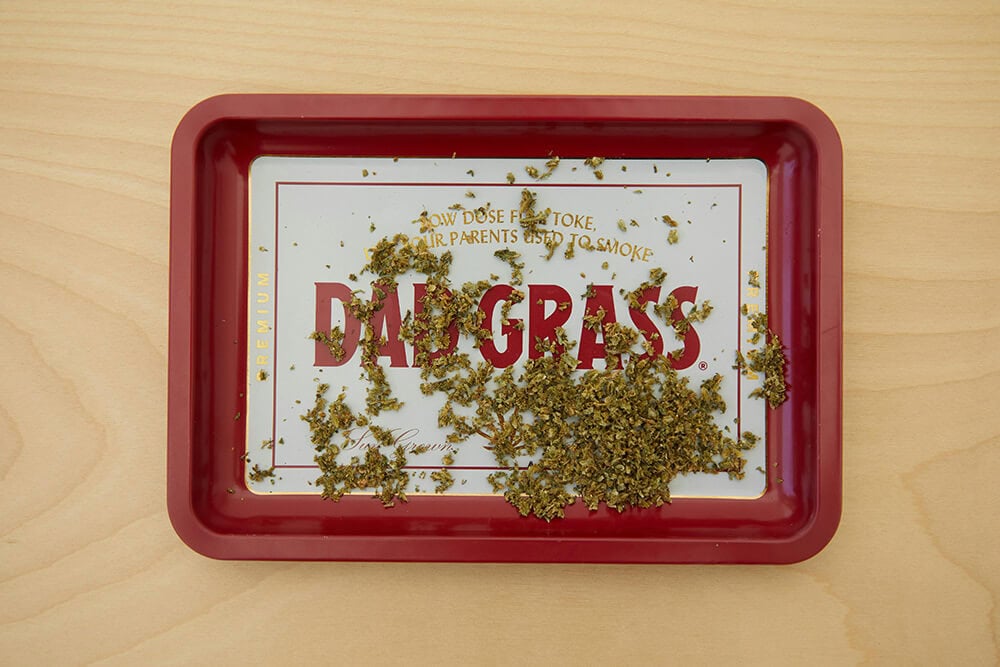
Image Credit: Dad Grass | Unsplash
Designing a weed rolling tray that customers actually keep requires more than good looks—it demands purpose, quality, and brand alignment.
When you combine functional features like raised edges or non-stick surfaces with thoughtful design elements such as bold visuals, premium materials, and custom shapes, your tray becomes more than packaging—it becomes a lifestyle accessory.
Whether you’re creating a metal rolling tray for weed, a paper rolling tray, or a collector’s item as part of a weed rolling tray set, the goal is the same: to add lasting value to the user’s experience.
By focusing on durability, user convenience, and brand storytelling, you can create a product that not only enhances your packaging but also leaves a strong, lasting impression.