
White Kraft Paper
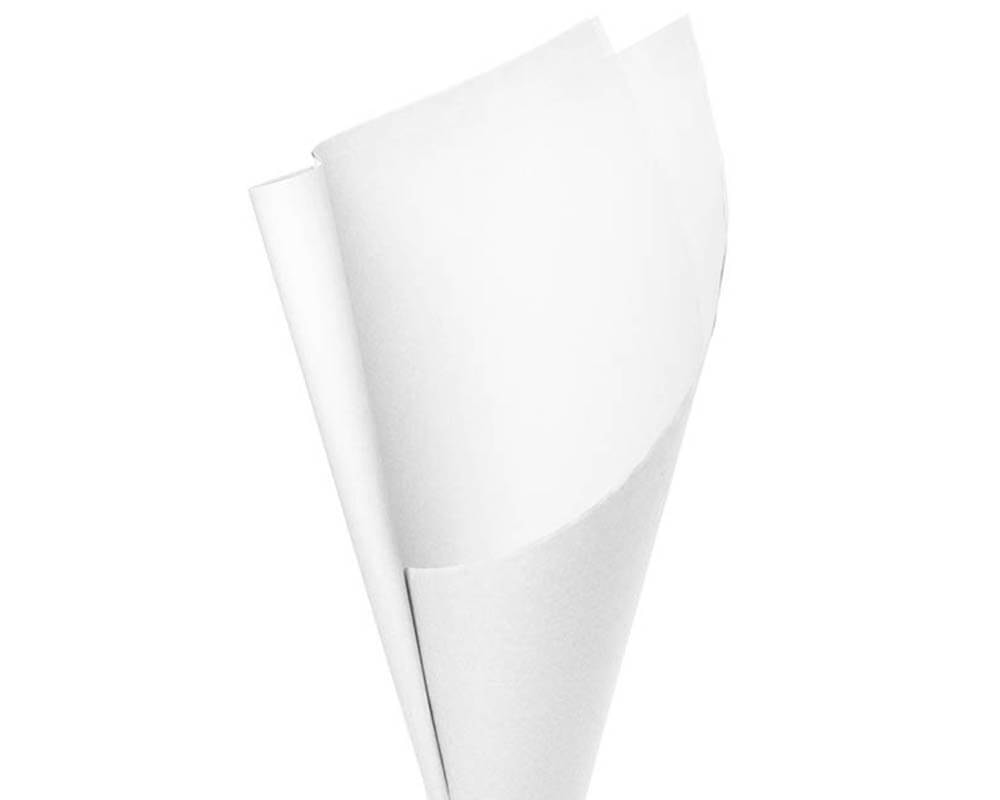
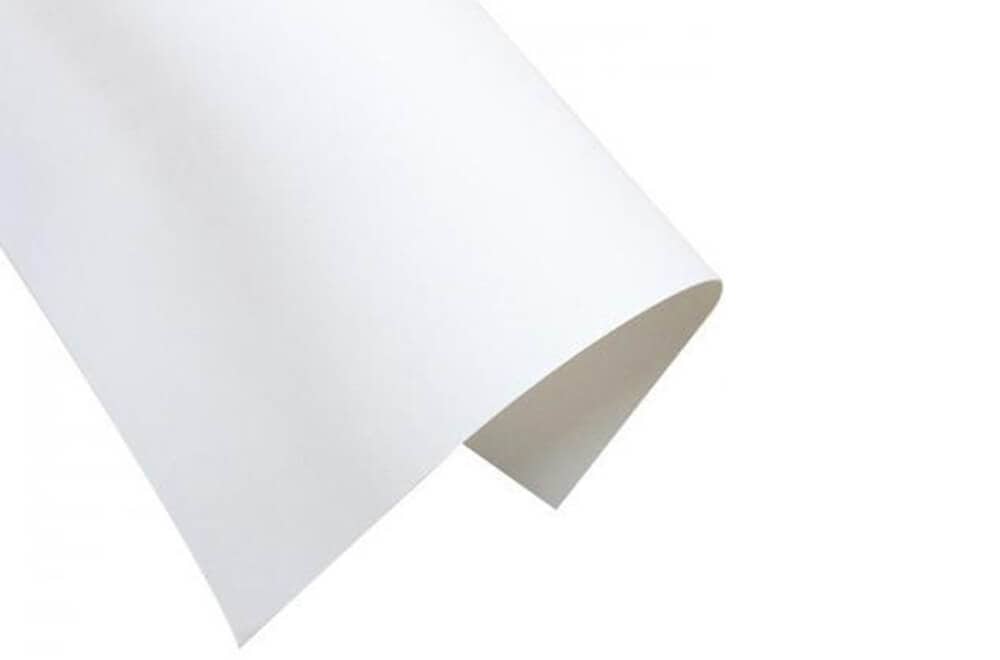
White kraft paper refers to a broad category of bleached kraft materials commonly used in packaging.
It’s made from bleached wood pulp and comes in variations like domestic white cowhide and imported white cowhide—each with subtle differences in shade. Domestic versions tend to have a warmer, creamier tone, while imported types lean brighter and cooler in color.
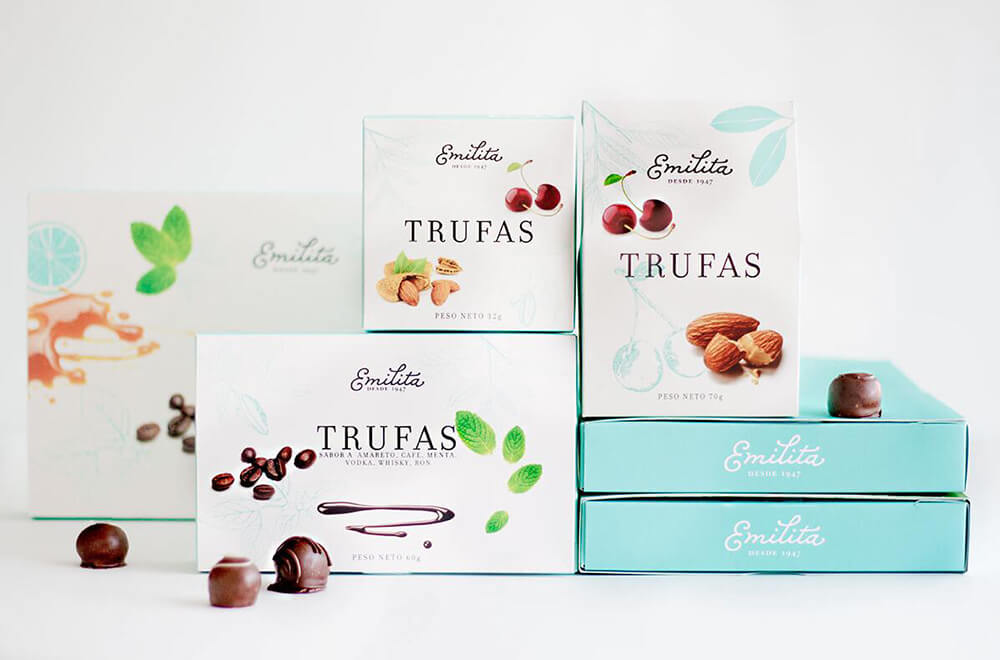
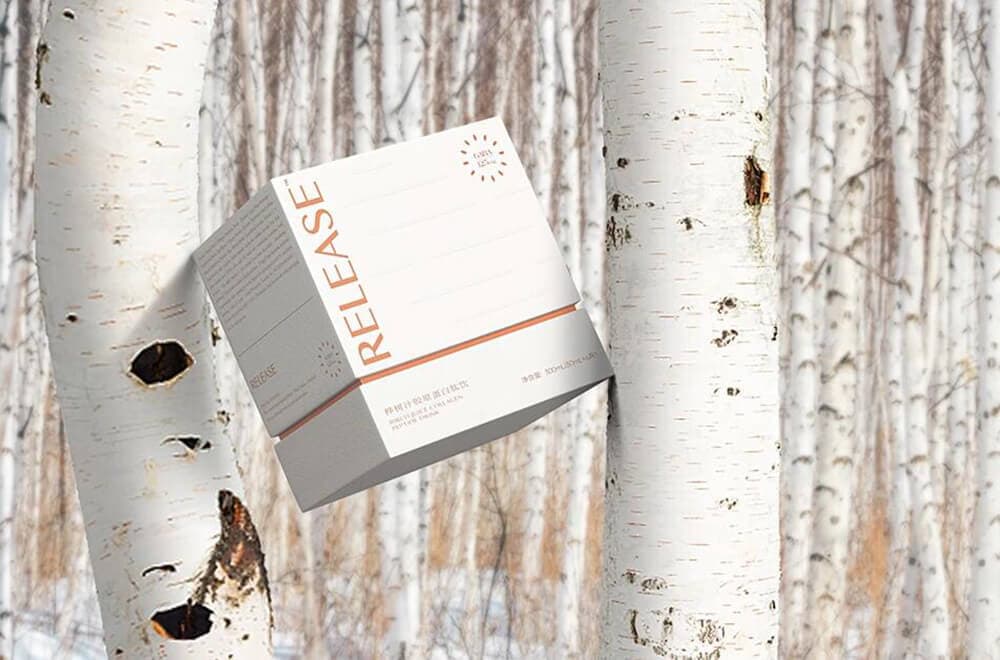
Thanks to its strength and smooth finish, white kraft is commonly used for folding cartons, retail bags, and branded cards. It's also highly compatible with a range of surface treatments like lamination, soft-touch film, embossing, and debossing—making it a versatile base material for high-impact, custom marijuana packaging.
1
What is White Kraft Paper?
White kraft paper is a durable, bleached paper made from wood pulp that's been processed to remove the natural brown color found in traditional kraft. It goes through a bleaching stage—usually using eco-safe methods—to achieve its bright white appearance. This bleaching not only changes the color, but also gives the paper a smoother, more refined surface, making it especially good for printing clean, sharp graphics.
2
What Makes It Different?
What sets white kraft paper apart is its combination of strength, versatility, and printability. It retains the same toughness and tear resistance as brown kraft, but the white surface provides a more polished, premium look. That makes it ideal for brands—especially in industries like cannabis or wellness—that want a natural yet modern feel. Whether you’re making folding boxes, pouches, or inner liners, white kraft gives you a clean slate that’s ready for full-color design, custom finishes, or eco-friendly branding.
3
Why Use It For Your Products?
If you’re looking for clean, strong, and eco-friendly packaging, white kraft paper checks all the boxes. It offers the same durability and recyclability as traditional brown kraft, but with a brighter, smoother surface that makes colors and designs pop. That clean white finish gives your cannabis products a modern, upscale feel—especially useful when you're going for minimal, natural, or clinical branding. Whether you're packaging pre-rolls, edibles, or wellness-focused CBD goods, white kraft gives you a sturdy, sustainable canvas that looks sharp and prints beautifully.
Benefits of White Kraft Paper in Custom Packaging
Ready to Customize Your White Kraft Paper Boxes?
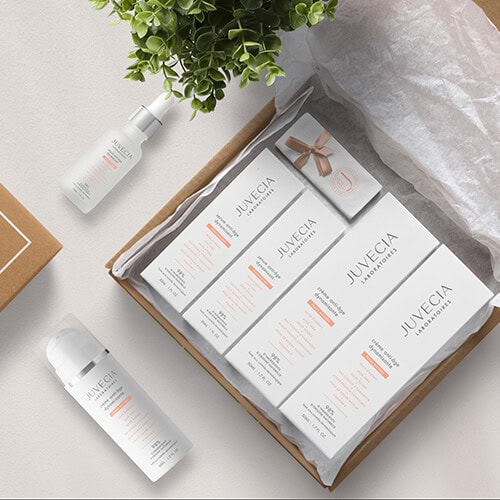
White Kraft Paper vs. Brown Kraft Paper
1. Color & Appearance
White kraft paper is bleached to give it a clean, bright surface.
Brown kraft paper keeps its natural, unbleached color—earthy, raw, and rustic.
2. Printability
White kraft handles full-color designs, fine details, and vibrant logos better.
Brown kraft works best with bold, minimalist designs using black, white, or single-color prints. White ink is often used to create contrast on brown kraft.
3. Brand Vibe
White kraft gives a modern, polished, or clinical feel—ideal for wellness and premium products.
Brown kraft sends a natural, eco-conscious message—great for organic, sustainable, or artisanal brands.
4. Customization Options
Both papers are compatible with finishes like foil stamping, embossing, or spot UV, but they behave differently:
White kraft is better for flashy finishes and detailed graphics.
Brown kraft shines with subtle, earthy embellishments.
5. Perceived Sustainability
While both are recyclable and eco-friendly, brown kraft is often perceived as the greener option since it’s unbleached and has that "raw" look.
How to Choose?
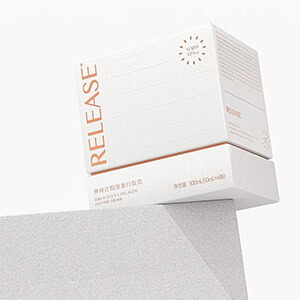
Clean and Premium
Go with white kraft paper
- You need bold, colorful printing
- Your brand leans toward luxury or wellness
- You want a smooth, polished surface
Raw and Authentic
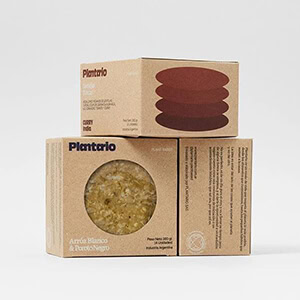
Go with brown kraft paper
- You want a natural or rustic vibe
- Your branding is focused on sustainability
- You’re working with minimalist designs or earthy tones
Surface Treatments for White Kraft Paper Packaging
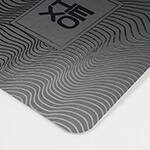
✅ Spot UV / Spot Gloss
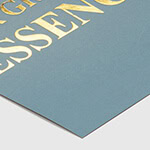
✅ Foil Stamping
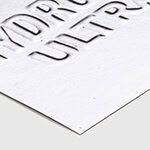
✅ Embossing / Debossing
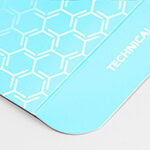
✅ Aqueous Coating (Eco-Friendly)

✅ White & Full-Color CMYK Printing
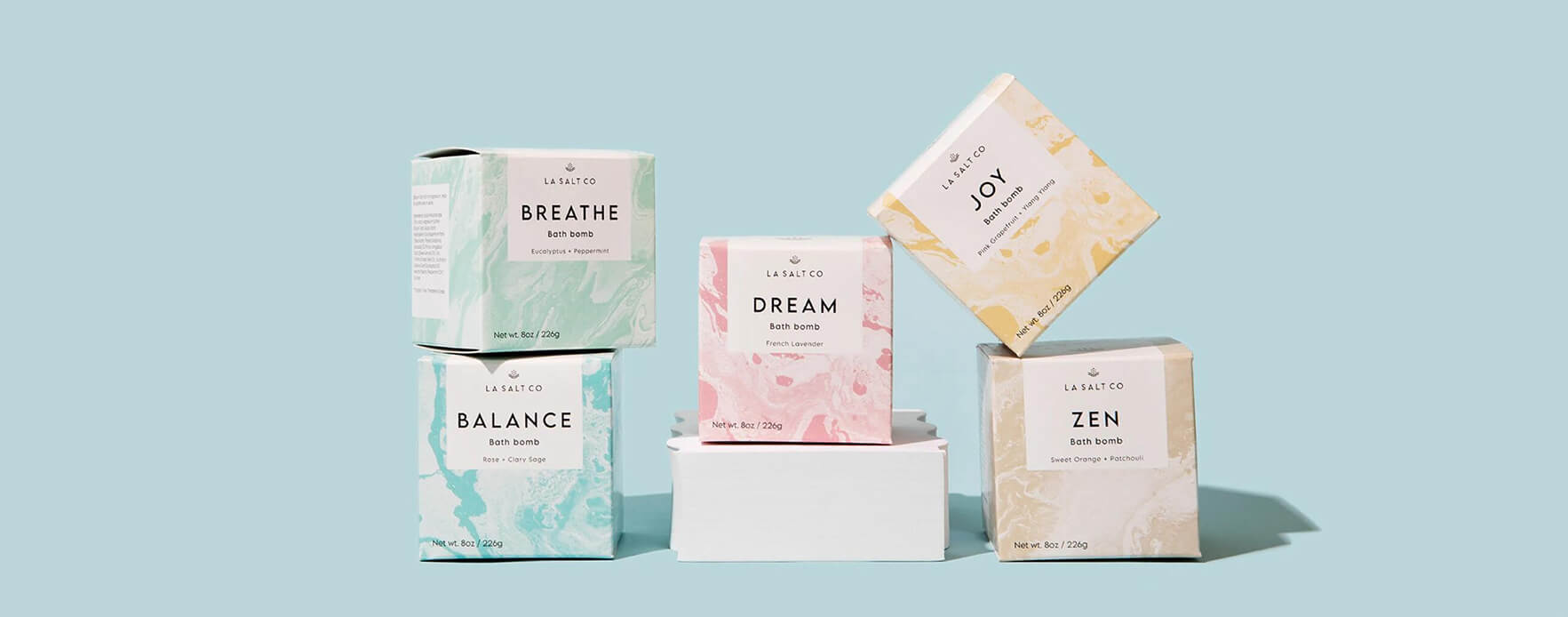
What Should You Avoid If you Choose White Kraft Paper?
🚫 Avoid: Heavy Gloss Coatings
Gloss laminates or high-shine varnishes tend to look out of place on kraft paper. They fight against its natural, earthy texture and can reduce recyclability.