
The cannabis industry is experiencing rapid growth, with an increasing focus on sustainability.
As consumer preferences shift toward eco-conscious products and packaging, the demand for biodegradable cannabis packaging has surged.
Companies in the cannabis space are beginning to recognize that sustainable packaging isn’t just a trend—it’s a necessity.
With more cannabis consumers seeking environmentally-friendly options, packaging is now playing a pivotal role in shaping brand identities and consumer trust.
This post will explore the rise of biodegradable cannabis packaging, the trends driving its adoption, and the innovative solutions that are paving the way for a more sustainable future in cannabis packaging.
What is Biodegradable Cannabis Packaging?
Biodegradable cannabis packaging refers to packaging materials designed to break down naturally over time without harming the environment.
Unlike traditional plastic or non-compostable materials, biodegradable packaging decomposes into natural elements when exposed to environmental conditions.
This makes it an environmentally friendly alternative to traditional packaging solutions, which can contribute to landfill waste and plastic pollution.
Biodegradable packaging for cannabis products is made from materials such as biodegradable plastics, plant-based materials, and biodegradable paperboard.
These materials offer the same protective qualities as conventional packaging but with the added benefit of being less harmful to the environment.
This shift towards biodegradable cannabis packaging is transforming the way brands approach product packaging, helping them meet consumer demand for eco-conscious choices while still ensuring product safety and quality.

The Environmental Impact of Biodegradable Cannabis Packaging
The environmental impact of biodegradable cannabis packaging is one of the primary reasons for its rise in popularity.
Cannabis products, particularly pre-rolls and flowers, often come in packaging made of plastic or other materials that take hundreds of years to decompose.
In contrast, biodegradable packaging materials break down naturally within a short period, reducing the amount of waste in landfills.
By adopting biodegradable cannabis packaging, cannabis companies can help mitigate the environmental footprint of their products.
This transition is especially significant in the context of growing concerns over plastic pollution and the increasing pressure on industries to adopt sustainable practices.
The benefits include reducing plastic waste, lowering carbon footprints, and promoting a circular economy where materials are reused or naturally decomposed, rather than remaining in the environment for decades.
Biodegradable cannabis packaging also plays a role in helping companies meet sustainability goals, contributing to cleaner, more responsible practices that resonate with today’s eco-conscious consumer.
Trends Driving the Adoption of Biodegradable Cannabis Packaging
Several key trends are driving the adoption of biodegradable cannabis packaging in the cannabis industry.
First and foremost is the growing consumer demand for environmentally responsible products.
More than ever, consumers are making purchasing decisions based on sustainability, seeking out brands that align with their values.
This shift is prompting cannabis companies to reconsider their packaging strategies and move toward eco-friendly alternatives.
Another driving factor is the increasing regulatory pressure to reduce the environmental impact of packaging.
As governments and regulatory bodies place more emphasis on sustainability, cannabis brands are being encouraged—or in some cases, required—to adopt greener packaging solutions.
Biodegradable cannabis pre-roll packaging, for example, is becoming more common as regulations around waste reduction and plastic bans evolve.
In addition to consumer demand and regulation, corporate social responsibility (CSR) initiatives are also playing a pivotal role.
Companies are increasingly adopting biodegradable packaging for cannabis as part of their broader CSR strategy.
This shift not only enhances brand reputation but also shows consumers that the company is committed to making a positive impact on the environment.
Innovations in Biodegradable Cannabis Packaging
Innovation is key to the evolution of biodegradable cannabis packaging.
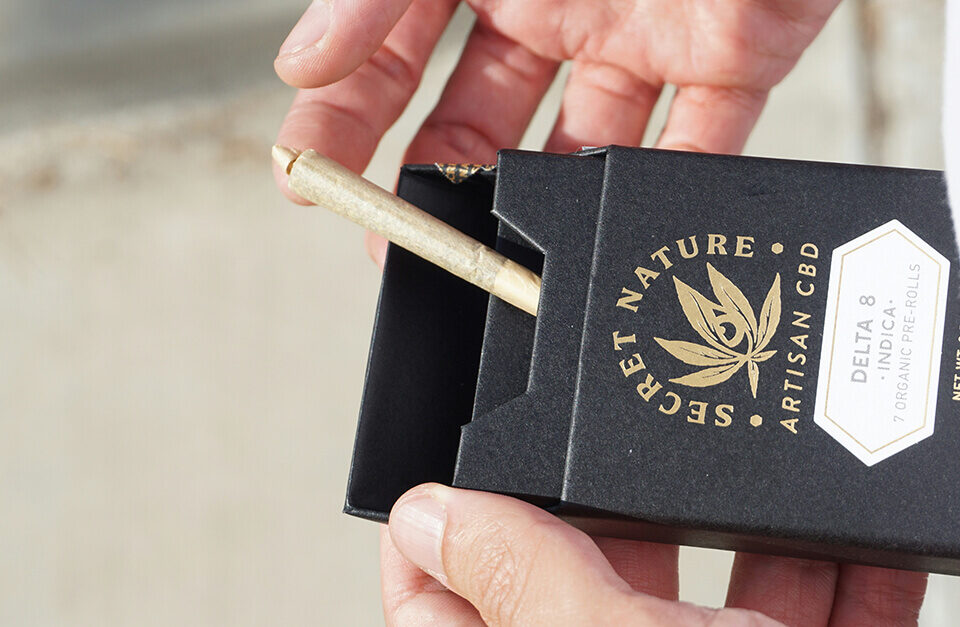
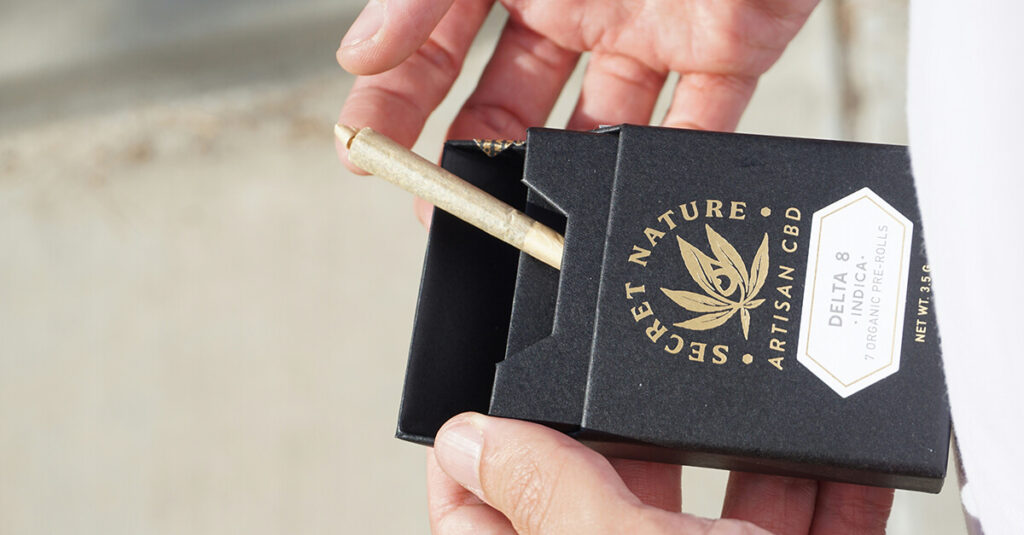
One of the most notable developments in this space is the emergence of biodegradable cannabis pre-roll packaging.
Pre-rolls, a popular product among cannabis consumers, have traditionally been packaged in plastic or foil, materials that are not environmentally friendly.
However, innovators in the packaging industry have developed new materials that offer the same protective qualities as traditional packaging but are completely biodegradable.
Another exciting innovation is biodegradable paperboard cannabis packaging, which is increasingly being used for marijuana flower and other cannabis products.
Paperboard, a sustainable and recyclable material, is being enhanced with biodegradable coatings and plant-based inks, making it an ideal solution for eco-friendly cannabis packaging.
These biodegradable paperboard cannabis packaging solutions provide durability while offering a greener alternative to plastic-based containers.
Furthermore, advancements in material science have led to the development of plant-based plastics and compostable coatings, which are now being integrated into biodegradable cannabis packaging.
These innovations make it possible to create custom packaging solutions that are both functional and sustainable, aligning with the growing consumer demand for environmentally friendly options.
Smart packaging features are also gaining traction.
Biodegradable packaging for cannabis can now incorporate QR codes, NFC chips, and other digital technologies that enhance the consumer experience.
These features allow consumers to learn more about the sustainability efforts behind the packaging or track the product’s journey from farm to retail, increasing transparency and trust in the brand.

Benefits of Biodegradable Cannabis Packaging for Brands
Adopting biodegradable cannabis packaging offers several benefits for brands beyond just environmental impact.
First, it can significantly improve brand image and consumer loyalty.
Today’s consumers are increasingly concerned about the planet, and they want to support businesses that are taking tangible steps to reduce their environmental footprint.
By switching to biodegradable cannabis packaging, brands can align themselves with this growing movement, demonstrating a commitment to sustainability and attracting eco-conscious customers.
Additionally, adopting biodegradable packaging can help cannabis brands comply with evolving regulatory standards.
As more regions implement strict regulations regarding plastic use and waste management, biodegradable cannabis packaging offers an easy way to meet these requirements without compromising on product quality or safety.
Another key advantage is that biodegradable cannabis packaging can serve as a point of differentiation in a crowded market.
In the competitive cannabis industry, brands that prioritize sustainability can stand out from the competition, attracting customers who are willing to pay a premium for eco-friendly products.
Challenges of Biodegradable Cannabis Packaging
While the shift to biodegradable cannabis packaging brings numerous benefits, there are also challenges that cannabis companies must address.
One of the primary obstacles is the cost of biodegradable materials.
Currently, biodegradable packaging can be more expensive than traditional plastic alternatives, which may be a barrier for smaller businesses or those operating on tight margins.
Another challenge is the scalability of biodegradable packaging solutions.
While biodegradable materials are available, the infrastructure for producing and distributing these materials on a large scale is still developing.
This means that sourcing high-quality, affordable biodegradable packaging may be difficult for some companies, especially those that require large volumes of packaging.
Finally, standardization and regulation of biodegradable cannabis packaging are still evolving.
While biodegradable packaging is a step in the right direction, it’s important for the cannabis industry to establish clear guidelines and certifications to ensure that packaging truly breaks down as intended and does not contribute to microplastic pollution or other environmental concerns.
The Future of Biodegradable Cannabis Packaging
The future of biodegradable cannabis packaging is bright, with innovations in material science, manufacturing processes, and consumer demand driving rapid advancements.
In the next 5 to 10 years, we can expect to see even more sustainable and efficient solutions in the cannabis packaging space.
As technology improves and economies of scale are achieved, the cost of biodegradable materials is likely to decrease, making it more accessible for brands of all sizes.
Collaboration between cannabis companies, packaging manufacturers, and regulatory bodies will be key to ensuring that biodegradable cannabis packaging becomes the industry standard.
With continued innovation and investment in sustainable packaging solutions, the cannabis industry will play a crucial role in the global shift toward more sustainable business practices.
Biodegradable cannabis packaging is rapidly rising in importance as a key solution for reducing the environmental impact of the cannabis industry.
From biodegradable cannabis pre-roll packaging to biodegradable paperboard cannabis packaging, these innovations provide a sustainable alternative to traditional packaging while enhancing brand reputation and meeting consumer demand for eco-friendly products.
As the industry continues to evolve, biodegradable cannabis packaging will become a vital component of a greener, more responsible cannabis industry.
By embracing these innovations, cannabis brands can not only reduce their environmental footprint but also position themselves as leaders in sustainability, attracting eco-conscious consumers and staying ahead of regulatory changes.