Color accuracy plays a central role in custom packaging design.
The way a logo, product name, or brand color appears can directly influence how customers perceive quality and trust.
Two primary systems dominate the world of print: cmyk printing and the Pantone Matching System (PMS).
Brands that understand the differences between these methods can make better decisions about packaging production, cost, and color consistency.
What Is CMYK Printing?
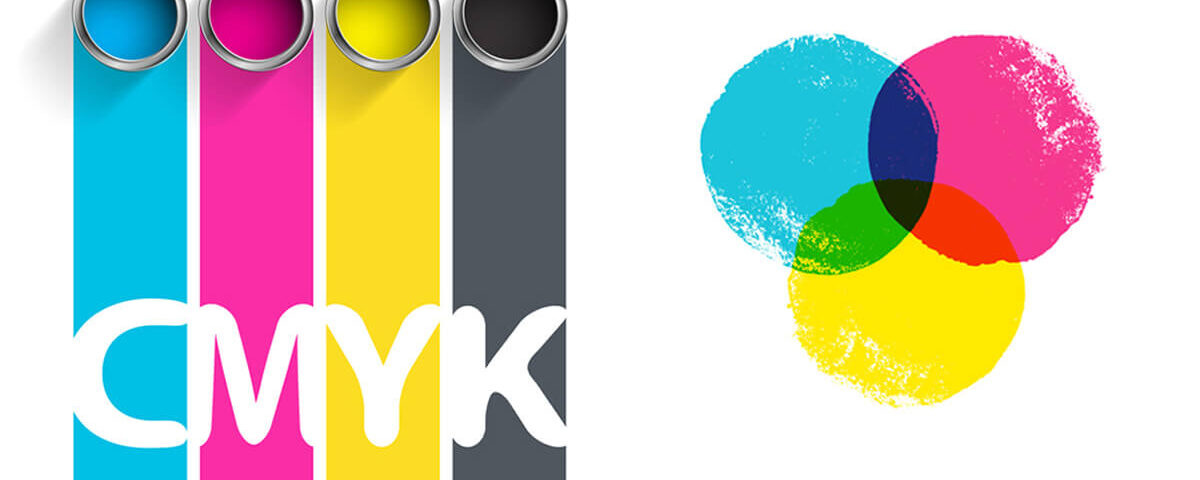
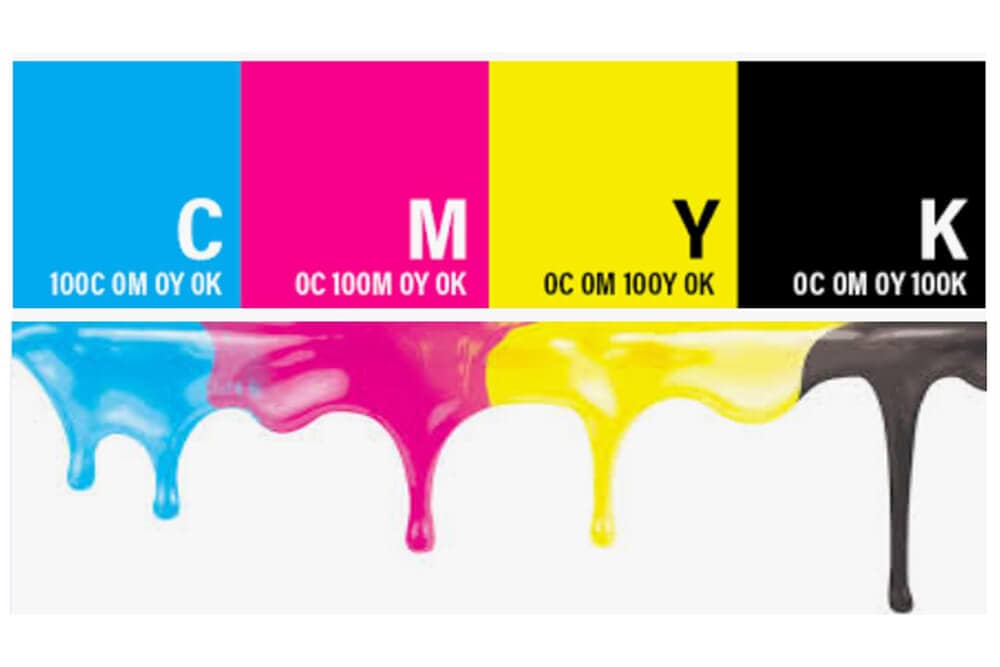
So, what is cmyk printing? CMYK refers to a four-color process that uses Cyan, Magenta, Yellow, and Black inks.
In fact, what does cmyk stand for in printing is exactly that: the four base ink colors. Printers overlay these inks in varying percentages to produce a wide spectrum of colors.
The cmyk printing process works by layering tiny dots of each ink color until the eye perceives a complete image.
This technique allows designers to reproduce photographs, gradients, and complex artwork with flexibility.
It also explains why is cmyk used for printing—because no other model can efficiently handle full-color, high-detail images for packaging.
It’s important to compare cmyk vs rgb printing. RGB, which stands for Red, Green, Blue, applies to digital screens, while rgb vs cmyk printing highlights why only CMYK translates correctly onto paper.
Even cmyk screen printing follows the same principle, using these four inks to build images layer by layer.
What Is Pantone Matching System (PMS)?
The Pantone Matching System works differently.
Instead of mixing four inks, it uses pre-mixed spot colors.
Each Pantone shade has a unique code, ensuring the same hue appears regardless of where or how it is printed.
PMS is particularly valuable when a brand demands exact consistency—think Coca-Cola red or Tiffany blue.
CMYK Printing vs PMS Printing
When comparing cmyk printing vs PMS printing, each system offers distinct benefits:
CMYK Printing: Best for projects requiring full-color designs, gradients, and images.
It is cost-effective for large runs and provides flexibility in design.
PMS Printing: Ensures precise color matching for logos and brand-specific hues. It works well when exact reproduction matters more than complex imagery.
In practice, brands often balance the two. CMYK printing vs Pantone matching system decisions depend on whether accuracy or versatility is the priority.

Converting Pantone to CMYK
Sometimes, budget or equipment limitations make it necessary to convert Pantone to CMYK for printing.
While this allows printers to use four-color presses instead of mixing spot inks, it comes with trade-offs. Some Pantone colors do not reproduce perfectly in CMYK, leading to slight variations in vibrancy or tone.
A packaging specialist can help determine whether the difference is acceptable for your brand.
Choosing the Right Option for Packaging
Brands must weigh several factors when deciding between cmyk printing and PMS:
Choose cmyk printing when you need full-color packaging, cost efficiency, and flexibility.
Opt for PMS when strict brand guidelines require exact color consistency.
Combine both systems when a design includes full-color imagery along with specific brand hues.
Understanding these differences ensures your packaging both looks appealing and aligns with your brand identity.
Color is one of the strongest brand signals, and choosing the right printing system helps maintain consistency while controlling costs.
CMYK printing offers versatility and efficiency for full-color packaging, while PMS ensures precision for critical brand colors.
When deciding between the two, consult with your packaging partner to evaluate design needs, budgets, and production goals.
Frequently Asked Questions About CMYK Printing
Q1: What is cmyk printing?
CMYK printing is a four-color process that combines Cyan, Magenta, Yellow, and Black inks to create a wide range of colors for packaging.
Q2: Why is cmyk used for printing instead of RGB?
RGB applies to digital screens, while CMYK translates to paper. Cmyk vs rgb printing explains why printers use CMYK to achieve accurate results.
Q3: What does cmyk stand for in printing?
CMYK stands for Cyan, Magenta, Yellow, and Key (Black). These inks form the foundation of full-color printing.
Q4: Can you convert Pantone to CMYK for printing?
Yes, but results vary. Some Pantone shades reproduce accurately, while others lose vibrancy when converted. A test print can help confirm results.
Q5: Which is better for packaging—CMYK printing or PMS?
It depends. CMYK printing vs Pantone matching system choices depend on whether you value flexibility and efficiency (CMYK) or exact color consistency (PMS).