
In today’s highly competitive commercial landscape, procurement managers and brand architects face a continuous operational dilemma:
delivering an exceptional, premium brand presentation while strictly maintaining bottom-line efficiency.
Proactive, strategic sourcing of custom printed packaging prevents costly manufacturing bottlenecks and protects profit margins.
Whether you are packaging delicate botanicals, premium concentrates, or edibles, the core objective remains the same.
You must define actionable strategies that lower per-unit costs without sacrificing structural integrity, consumer appeal, or strict market compliance.
Material Selection: Evaluating High-Performance, Cost-Effective Substrates
Evaluating high-performance, cost-effective substrates is the foundational step in budget optimization.
Procurement teams must continuously compare the cost-efficiency of unbleached Kraft paperboard against Solid Bleached Sulfate (SBS).
While SBS offers a pristine, smooth surface ideal for high-end branding and vibrant color fidelity, Kraft appeals heavily to eco-conscious consumers and often incurs lower raw material costs.
Furthermore, structural material optimization is critical for transit safety.
By utilizing custom printed cardboard packaging and specifically engineered corrugated boxes, brands can maximize impact protection for heavy glass jars or fragile goods while minimizing overall material weight.
Smart material choices directly reduce dimensional shipping fees and elevate the unboxing experience without unnecessarily inflating the raw production budget.

Structural Engineering: Choosing the Right Form Factor
Choosing the correct form factor drastically influences both manufacturing expenses and shelf appeal.
Brand managers must analyze the production costs of a structured custom printed packaging box—such as premium rigid drawer or sliding boxes—against the highly economical footprint of custom printed flexible packaging.
Multi-piece structural designs add a luxury feel, but they require careful engineering to remain cost-effective at scale.
If a rigid structure isn’t strictly necessary for product safety, right-sizing to a precisely dimensioned custom printed packaging pouch eliminates wasted structural air space.
By designing exact dielines, you reduce excess material and lower dimensional weight shipping fees.
Furthermore, standardizing these dielines and utilizing versatile window patching across multiple product lines heavily reduces initial custom tooling expenses, ensuring your custom printed packaging operations remain lean and adaptable.
Maximizing Print and Finishing Efficiency
Achieving high-end custom printed retail packaging aesthetics does not require breaking the budget.
Cost optimization heavily relies on intelligent ink and press selection.
For massive commercial volumes, transitioning from CMYK digital printing (ideal for short, variable runs) to flexographic or offset printing dramatically lowers the per-unit cost over time.
Furthermore, brands can achieve luxury aesthetics by using budget-conscious, targeted finishing treatments—such as Spot UV or strategic foil accents—rather than expensive full-surface laminates.
When integrating necessary compliance features, such as hidden child-resistant mechanisms, streamlining the design to require fewer complex folds and glue points ensures that the assembly of your custom printed packaging remains cost-effective and efficient on the factory floor.
Volume Management and Supply Chain Logistics
Understanding the tipping point of economies of scale is vital for successfully procuring custom printed product packaging.
High-volume orders dramatically reduce unit costs, but these savings must be carefully balanced against warehousing fees and Minimum Order Quantities (MOQs).
Savvy B2B procurement officers negotiate flexible MOQ terms with manufacturing partners to prevent capital from being tied up in aging, obsolete inventory.
Additionally, the Total Cost of Ownership (TCO) must be evaluated beyond just the raw materials and freight.
Labor costs at the retail level play a massive role in overall efficiency.
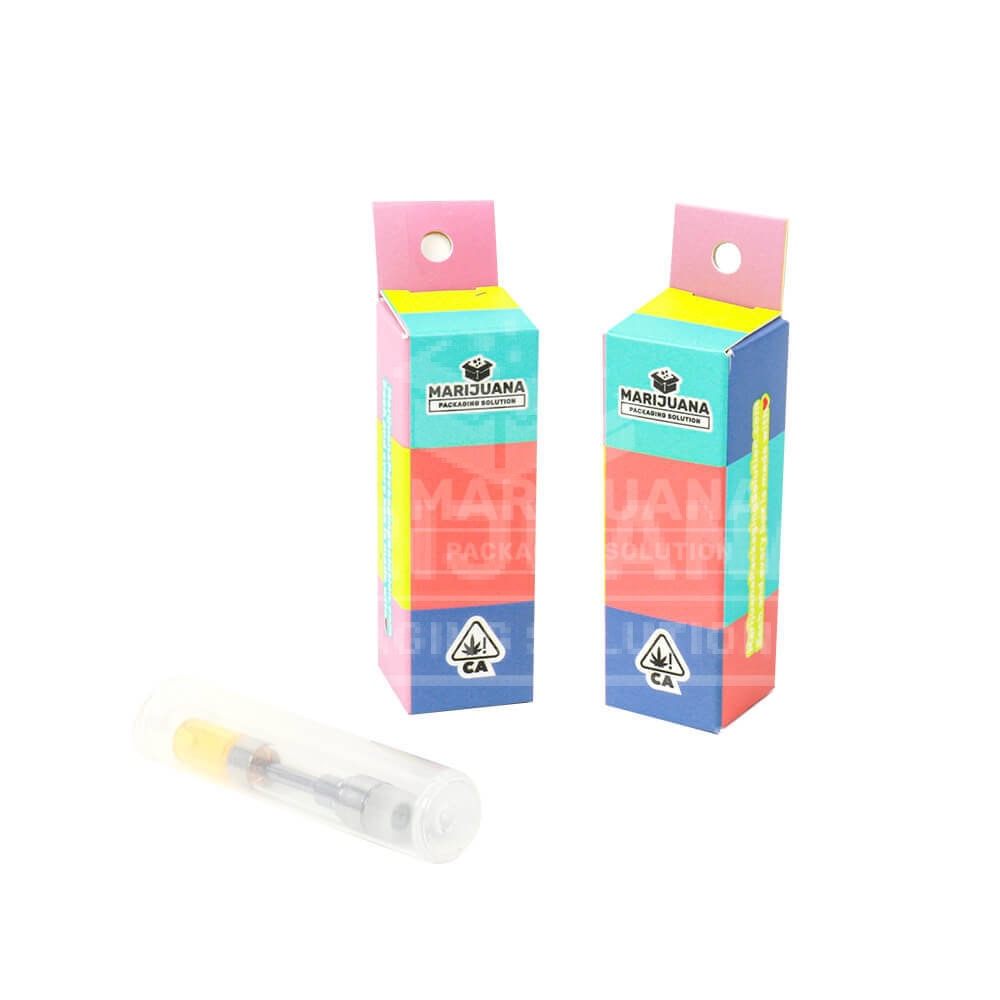
For point-of-sale visibility, investing in pre-assembled dispenser boxes featuring a functional thumb notch—rather than relying on flat-packed designs with perforated lines—saves substantial retail labor time during setup.
This strategic foresight ensures that the operational deployment of your custom printed packaging is just as optimized as its initial production.
Conclusion: The Strategic Takeaway
Ultimately, cost optimization is an ongoing, dynamic collaboration between brand managers, compliance officers, and structural engineers.
Smart material choices, properly scaled corrugated boxes, and intelligent volume management guarantee a high return on investment.
By proactively refining your procurement strategy, your custom printed packaging becomes a powerful tool for brand growth rather than a mere operational expense.
When engineered thoughtfully, custom printed packaging secures your product, engages your consumer, and protects your bottom line.
Investing time and resources into these strategic methodologies ensures that every production run of your custom printed packaging delivers maximum value and competitive advantage for your B2B enterprise.