
The cannabis concentrate market has evolved rapidly, with live resin emerging as a premier choice for consumers seeking a robust, full-spectrum, and terpene-rich experience.
Because this particular extract is flash-frozen immediately after harvest at sub-zero temperatures, it retains a volatile and delicate chemical profile that standard, off-the-shelf containers simply cannot protect.
For producers and extractors, this means selecting the right live resin packaging is no longer just a late-stage afterthought;
it is a critical component of supply chain logistics, product integrity, regulatory compliance, and brand positioning.
A misstep in packaging can lead to degraded product, lost revenue, and damaged brand reputation.
The Unique Protective Demands of Live Resin
Unlike conventionally cured extracts, live resin is highly susceptible to environmental degradation due to its high concentration of monoterpenes.
Exposure to light, oxygen, and temperature fluctuations can rapidly degrade these delicate compounds, altering both the flavor and the potency of the product.
Furthermore, terpenes act as natural solvents, meaning they can actually dissolve cheap plastics or low-quality lid liners.
To maintain the highly sought-after “live” profile, your chosen live resin packaging must feature airtight seals, utilize chemically non-reactive materials, and ideally include PTFE (Teflon) lid liners.
A physical barrier against UV light and oxygen is absolutely essential to prevent the oxidation process that turns premium, golden extracts into dark, degraded oil.
Primary vs. Secondary Packaging in the Cannabis Extract Market
When engineering a comprehensive packaging solution, it is vital to distinguish between primary and secondary structures.
Primary packaging refers to the vessel that is in direct, physical contact with the extract, such as a glass jar, a silicone-lined container, or a vape cartridge.
Secondary packaging is the outer casing, typically a customized paper box or a barrier pouch, that houses the primary container.
The most effective live resin packaging strategies utilize a symbiotic combination of both.
Secondary packaging not only shields the primary container from physical damage during transit but also serves as the necessary “billboard” for mandatory state compliance labeling, lab testing results, Universal Symbol (UID) tags, and your brand’s unique artwork.
Evaluating Primary and Secondary Structural Options
Glass Jars (Primary)
Glass jars remain the undisputed industry standard for raw, scoopable concentrates like diamonds and sauce or badder.
The primary advantage of glass is its inert nature; it is entirely non-reactive, ensuring that the sticky, terpene-heavy consistency of the extract remains untainted and safe from chemical leaching.
However, glass is fragile, relatively heavy, and offers a highly restricted surface area for mandatory compliance labeling.
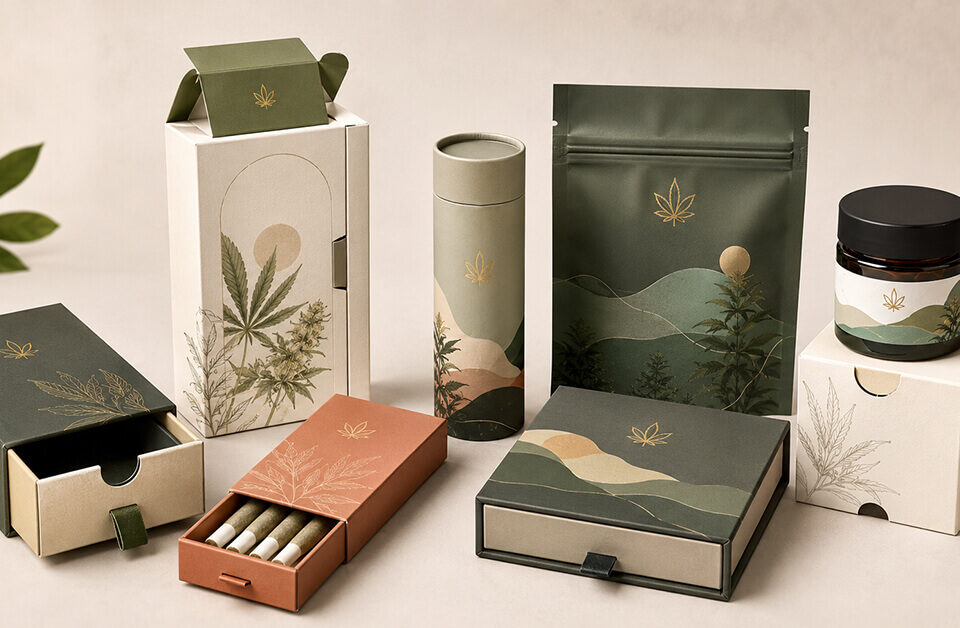
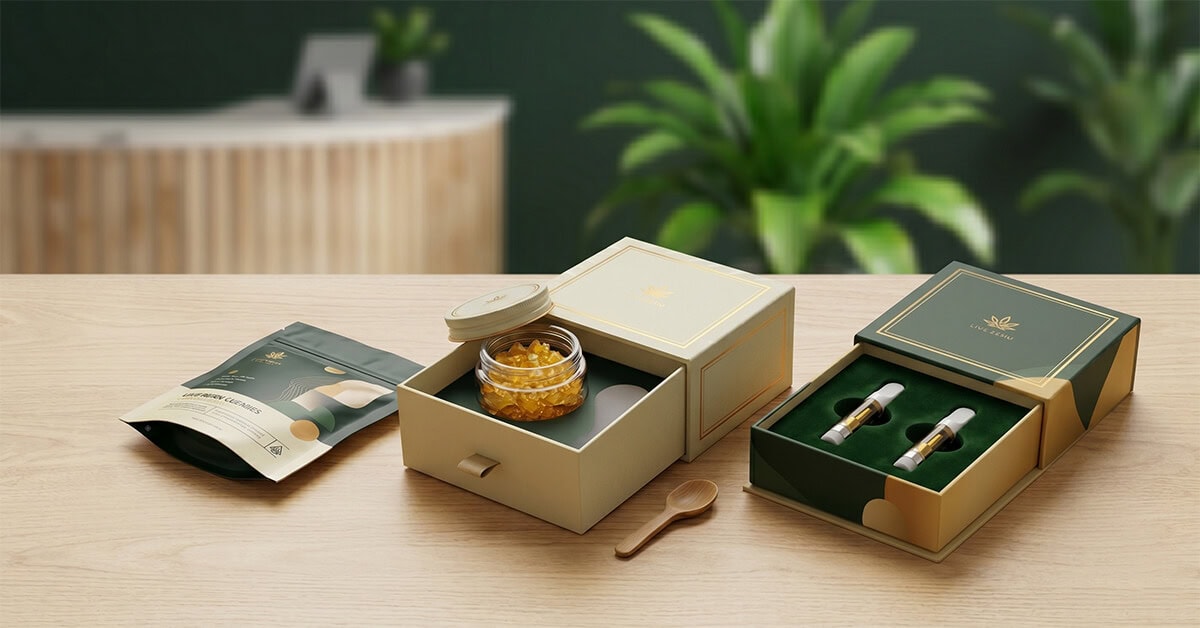
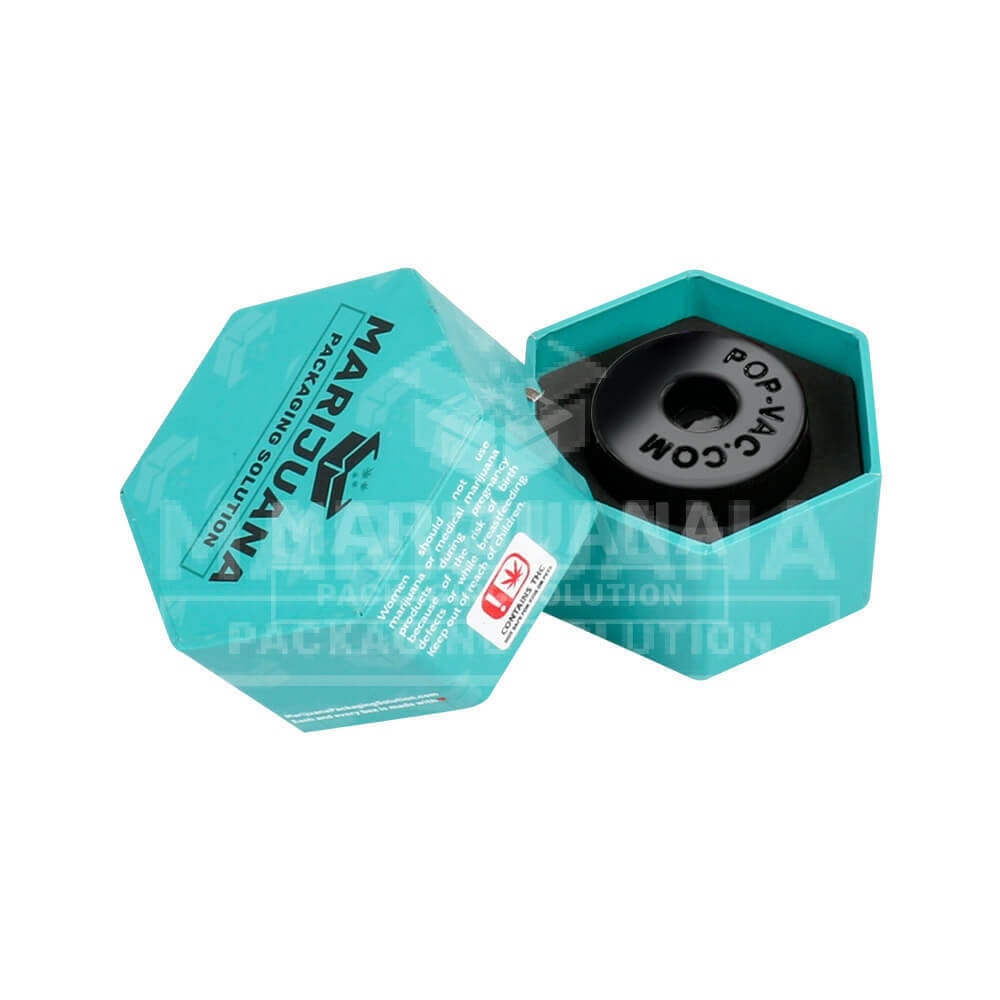
To mitigate these physical and regulatory drawbacks, glass jars are best paired with custom rigid boxes—such as premium drawer boxes with custom-cut foam inserts.
This combination provides superior structural protection against shattering while offering an expansive, flat canvas for high-end branding and compliance text.
Mylar Bags (Primary or Secondary)
Mylar bags are highly cost-effective, inherently airtight, and structurally flexible, making them a staple in dispensary storage.
Constructed from multiple layers of barrier films (like PET, VMPET, and PE), they offer exceptional defense against moisture, oxygen, and light.
They can be easily equipped with certified child-resistant (CR) zippers, making them a highly versatile tool for legal compliance.
Structurally, they are an exceptional choice for live resin gummies packaging, where a secure moisture barrier is strictly necessary to keep edibles fresh, potent, and free from mold.
Additionally, custom-printed Mylar pouches serve as an excellent, barrier-proof secondary option for smaller concentrate jars, cementing their status as a reliable, budget-friendly component of the broader live resin packaging ecosystem.
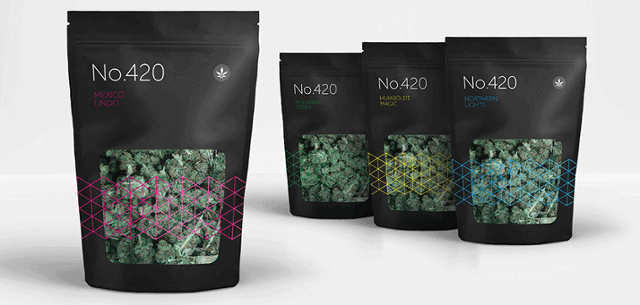
Cannabis flowers are often stored in pouches.
Custom Paper Boxes and Cartons (Secondary)
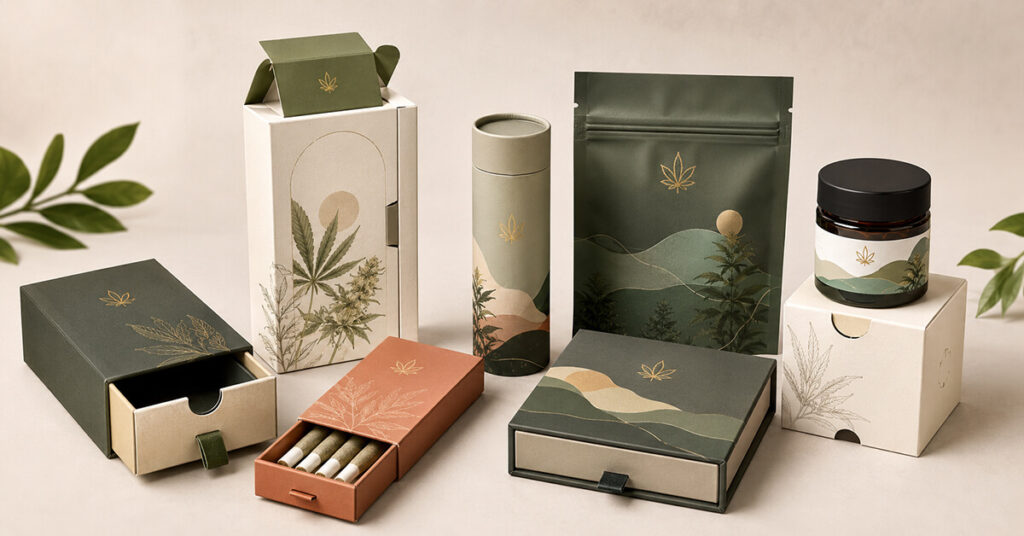
Custom paper boxes represent the gold standard for secondary retail presentation, offering unparalleled versatility in structural design.
They provide maximum surface area for high-resolution printing, brand storytelling, and complex compliance text without cluttering the aesthetic.
More importantly, paper boxes can be structurally engineered from sturdy SBS (Solid Bleached Sulfate) paperboard or unbleached Kraft to house a wide variety of formats.
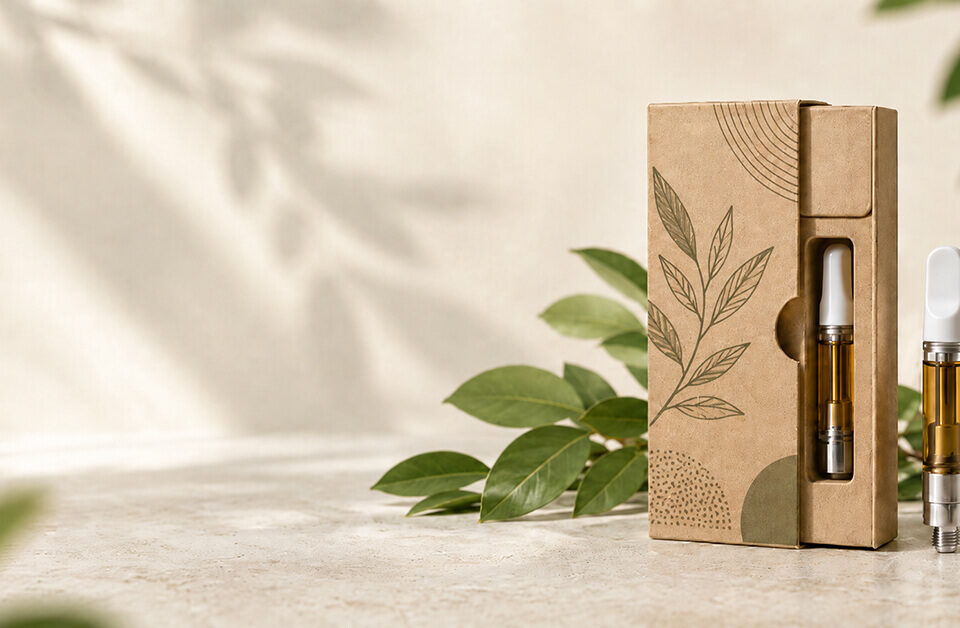
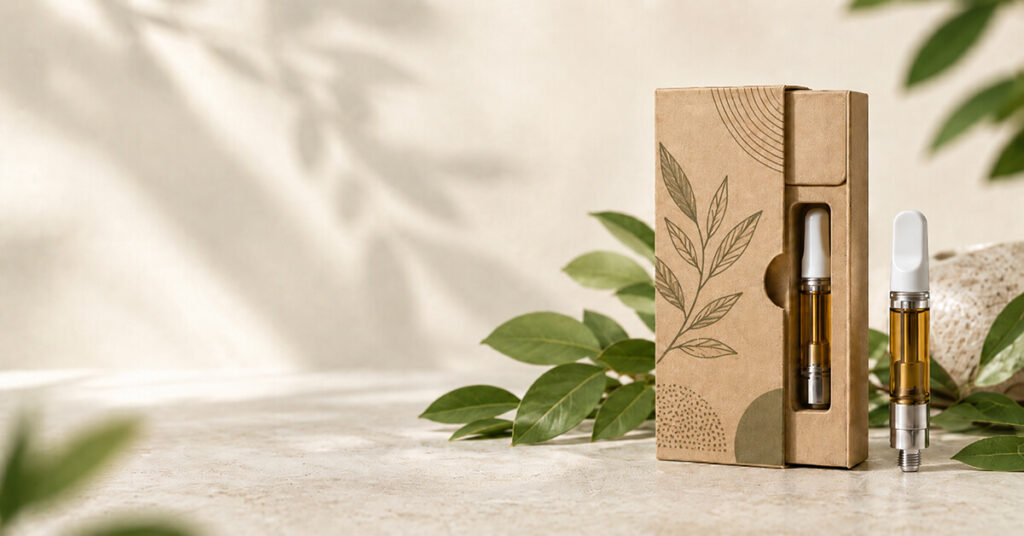
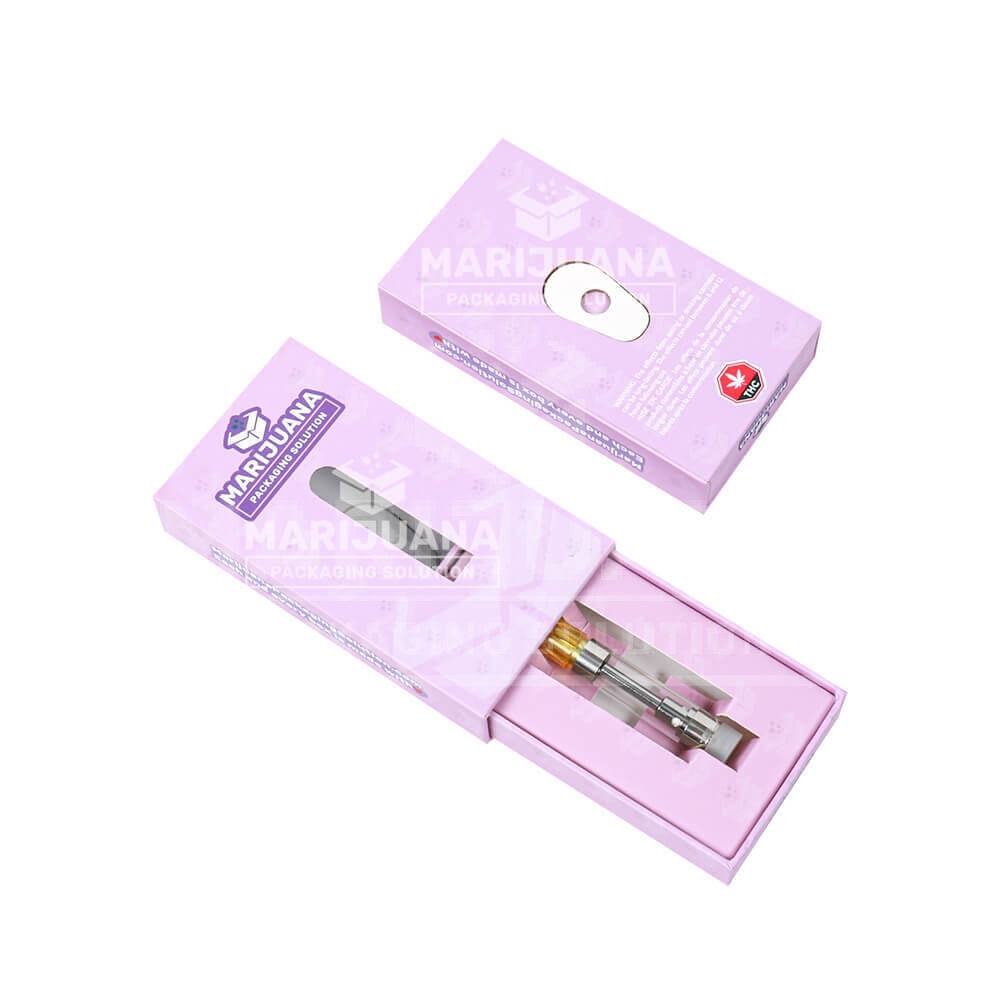
Whether incorporating custom molded pulp inserts to hold a delicate glass jar or designing elongated folding cartons with child-resistant locking buttons specifically tailored for live resin cartridge packaging, paper-based solutions offer unlimited customization.
Incorporating premium structural designs, like child-resistant drawer boxes, significantly elevates the unboxing experience and the perceived value of the product inside.
Structuring Packaging for Vapes and Cartridges
As consumer preferences continue to shift toward on-the-go convenience, the market for live resin vapes has grown exponentially.
Because live resin has a different viscosity and chemical makeup than standard distillate, the hardware is often more sensitive, requiring highly specialized protection.
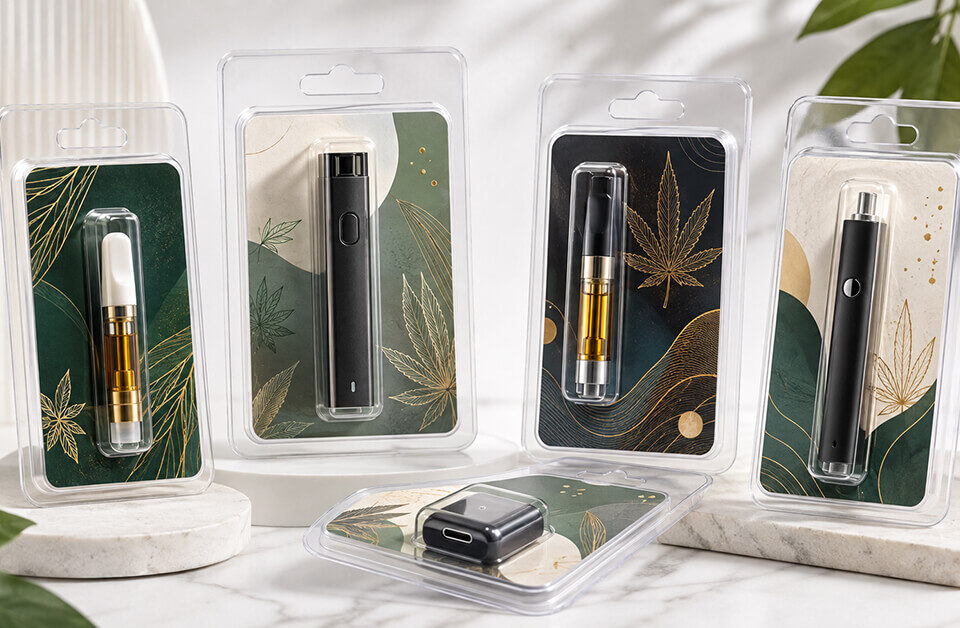
Proper live resin vape cartridge packaging must prevent the glass components from shattering and ensure the hardware remains strictly upright to mitigate the risk of oil leakage into the mouthpiece.
A meticulously engineered box with custom die-cut EVA foam or recyclable blister inserts is essential for this.
Furthermore, well-designed live resin cart packaging prevents the hardware from rolling loosely during transit, protecting the 510-thread connection and maintaining the pristine condition of the product from the manufacturing facility all the way to the dispensary shelf.
Developing secure structures for these fragile items is an increasingly crucial segment of modern live resin packaging.
Balancing Aesthetics, Compliance, and Sustainability
The ultimate challenge for any packaging specialist is harmonizing beautiful aesthetics with strict, state-by-state regulatory requirements.
Integrating child-resistant mechanisms into live resin packaging is non-negotiable in almost all legal jurisdictions, but it should never compromise or complicate the adult consumer’s unboxing experience.
Utilizing premium finishes on custom paper boxes—such as spot UV coating, metallic foil stamping, or intricate blind embossing—helps convey a luxury brand identity that easily justifies a top-shelf price point.
Additionally, utilizing paper-based secondary packaging provides a distinct, eco-friendly advantage over 100% plastic solutions.
By opting for FSC-certified paperboard and biodegradable inks, brands can appeal directly to the growing demographic of environmentally conscious cannabis consumers.
The decision between glass jars, flexible Mylar bags, and custom paper boxes is not a matter of choosing one over the other,
but rather understanding how to intelligently combine their distinct structural strengths.
Glass offers non-reactive purity, Mylar provides flexible and airtight barrier protection, and paper boxes deliver vital structural integrity and unmatched brand presentation.
The most successful live resin packaging strategy is a cohesive system that holistically protects the delicate terpenes, ensures strict legal compliance, and simultaneously captures consumer attention on increasingly crowded dispensary shelves.
By carefully analyzing and investing in these structural options, brands can ensure their premium extracts arrive in the hands of the consumer exactly as the master extractor intended, maximizing both ROI and brand loyalty.