Modern consumers demand luxury, sensory experiences in the retail cannabis market.
Brands constantly seek innovative ways to elevate simple paperboard into a premium product.
The core emboss vs deboss concept represents the ultimate strategy to achieve this goal.
When you understand the emboss vs deboss dynamic, you transform ordinary boxes into tactile masterpieces.
This guide explores how these physical finishes capture customer attention and drive immediate dispensary sales.
Understanding the Mechanics: Deboss vs Emboss
You must define the exact manufacturing processes that create these distinct physical textures.
Printers use custom metal dies and heavy machinery to manipulate the paperboard fibers directly.
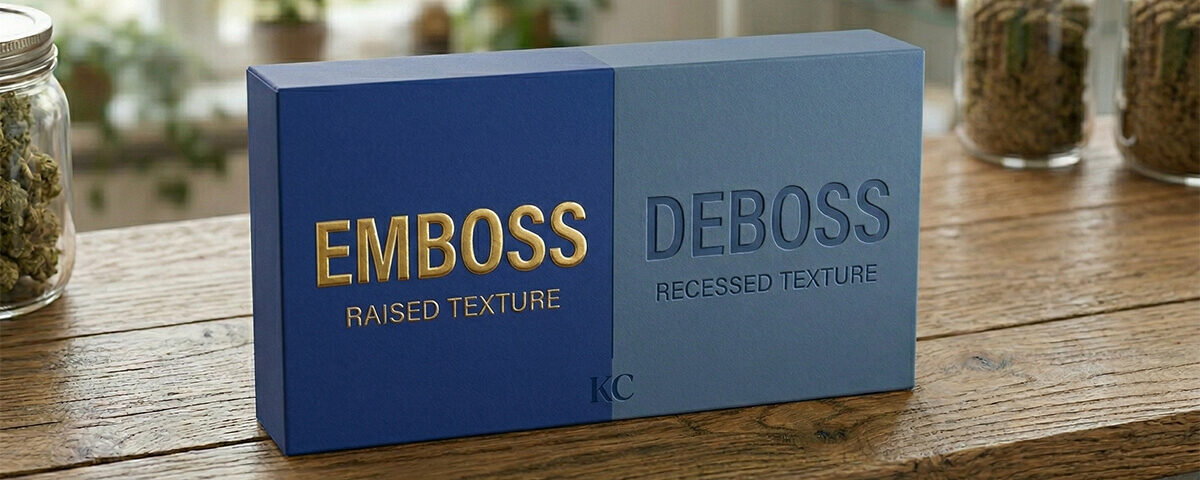
To create an embossed effect, the machine pushes the paper upward from underneath.
Conversely, the machine presses the paper downward from the top to achieve a debossed look.
This mechanical action clearly illustrates the fundamental deboss vs emboss difference.
A clear emboss vs deboss comparison reveals how each method alters the structural integrity and aesthetic of your final packaging.
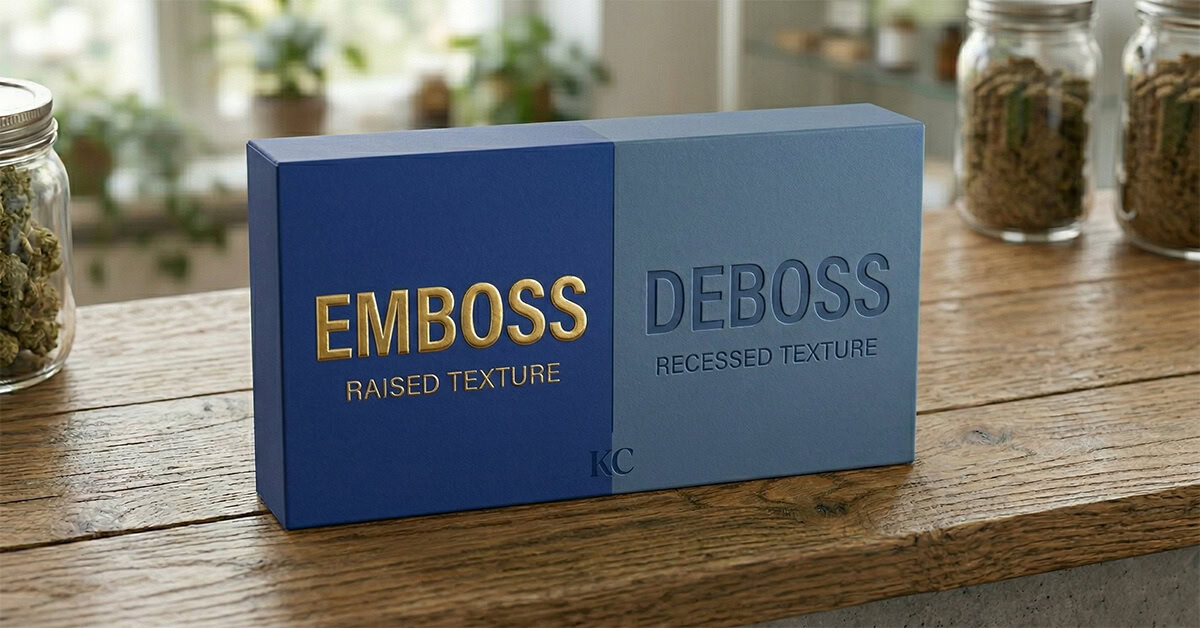
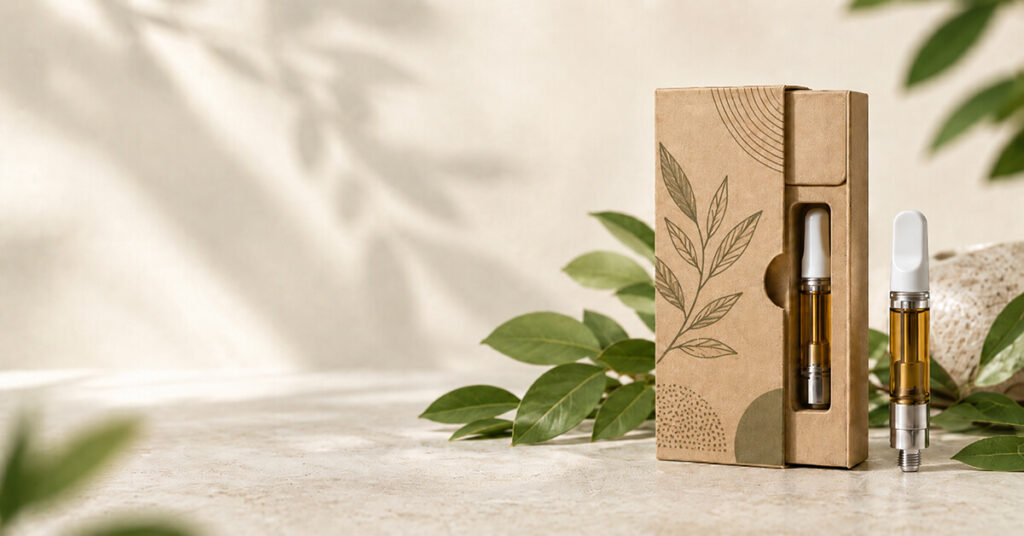
Image generated with Google Gemini
Designing the Perfect Embossed vs Debossed Logo
Graphic designers must select the right technique to make the brand’s primary emblem stand out on dispensary shelves.
Intricate details hold up differently depending on your mechanical choice.
When you design an embossed vs debossed logo for custom cannabis boxes, you must consider line thickness and spacing carefully.
Thin, delicate lines often look better when you press them inward.
Bold, thick typography pops effectively when you raise it outward.
You master the emboss vs deboss technique when you align your artwork perfectly with the physical capabilities of the metal dies.
Evaluating the Visual Impact: Debossed vs Embossed Finishes
Retail lighting interacts dynamically with raised and recessed surfaces to create striking, premium shadows.
Brand owners must understand how an embossed vs debossed finish changes the entire mood and perceived value of the product inside.
A raised surface catches overhead dispensary lights, creating bright highlights that draw the eye immediately.
A recessed surface creates deep, luxurious shadows that invite customers to pick up and touch the box.
Evaluating the debossed vs embossed visual impact helps you communicate your brand’s unique identity effectively.
You always want to leverage the emboss vs deboss visual contrast to maximize your shelf appeal.
The Ultimate Emboss vs Deboss Decision Matrix
We provide a clear, actionable checklist that helps brands choose the right application for specific products, such as pre-roll packs, vape cartridges, or edible boxes.
First, evaluate your budget, as emboss vs deboss packaging involves different die setup costs and production timelines.
Second, analyze your target demographic and decide if they prefer subtle luxury or bold textures.
Third, review your artwork complexity to ensure the design translates well to a physical stamp.
Use this emboss vs deboss decision matrix to streamline your design process and eliminate costly trial and error.
Proper planning ensures your emboss vs deboss application flawlessly matches your marketing objectives.
Conclusion: Finalize Your Premium Packaging Strategy
Each tactile finish brings unique, powerful benefits to custom paper containers.
Cannabis businesses must utilize these premium printing techniques today to solidify their market dominance and attract high-end consumers.
When you implement a smart emboss vs deboss strategy, you immediately elevate your product above the competition.
Invest in high-quality textures right now to secure your brand’s luxury status.
Master the emboss vs deboss principles, and you will transform your packaging into your strongest sales tool.