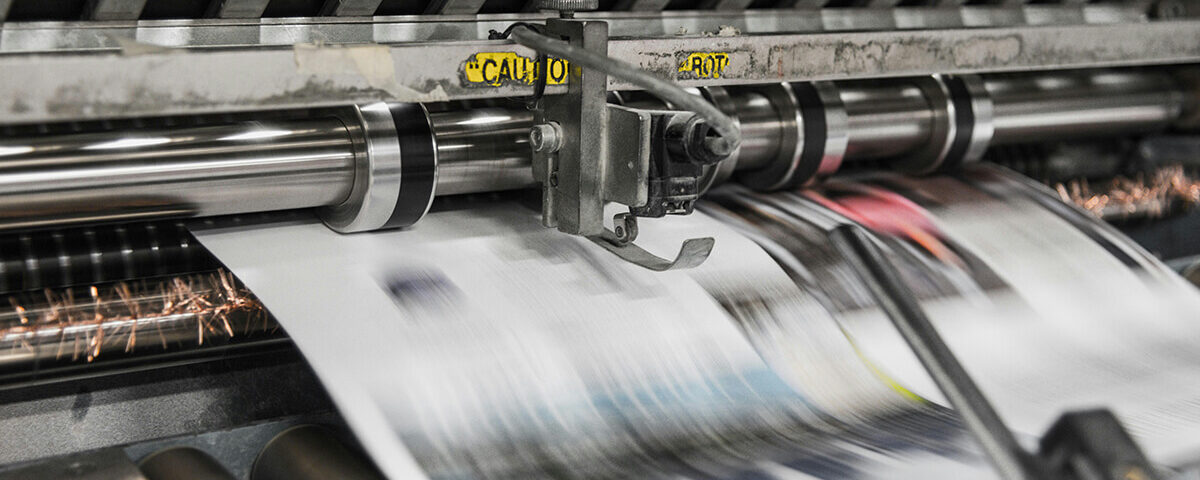
When we evaluate printing methods for cannabis packaging, We start by comparing offset printing and digital printing.
These two techniques dominate the packaging industry, each offering unique strengths depending on project needs.
Cannabis brands often face a critical decision when choosing the right method for their packaging—one that influences product quality, branding, compliance, and overall consumer perception.
Before diving into comparisons, it is important to clarify what is offset printing and how it differs from digital printing.
By understanding both processes clearly, brands can make informed decisions to align their packaging strategy with marketing goals, order volume, and cost expectations.
What is Offset Printing?
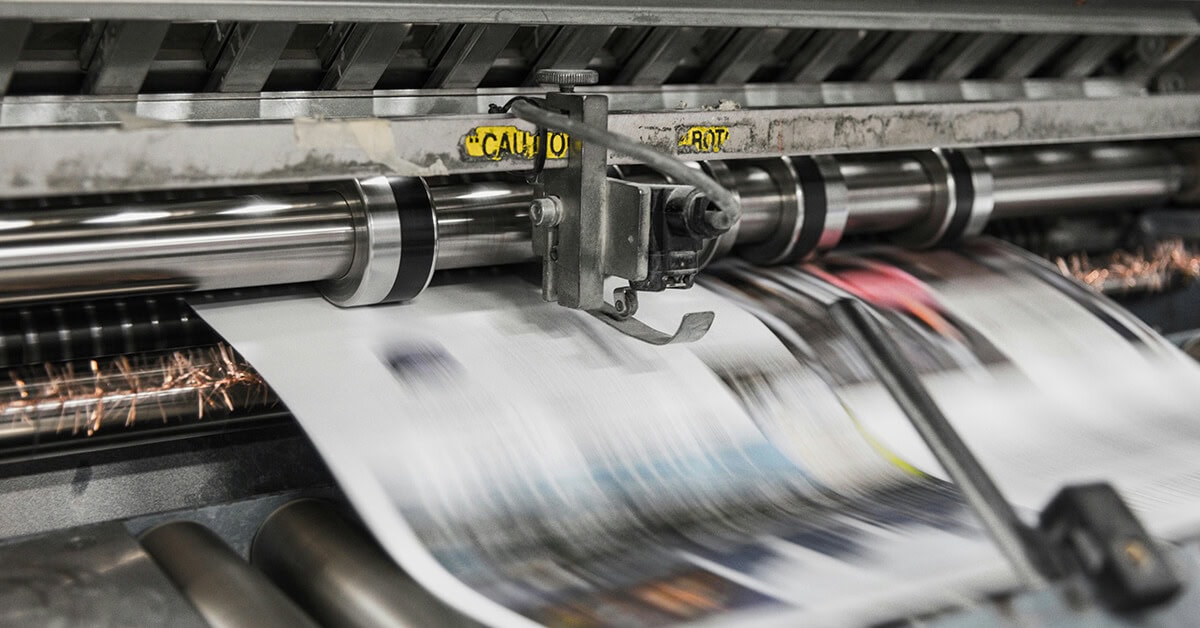
Offset printing is a traditional yet highly advanced printing method that transfers ink from a plate to a rubber blanket and then onto the packaging material.
This indirect transfer method is what gives offset its name.
It is ideal for producing high-quality prints with consistent color accuracy, making it a top choice for cannabis packaging projects that require sharp graphics and a premium finish.
Many offset printing companies offer 4 color offset printing, a process using cyan, magenta, yellow, and black (CMYK) inks to achieve vibrant, full-color results.
As an offset printing company, we often recommend this method for cannabis packaging because it ensures durability, professional finishes, and precision across large production runs.
What is Digital Printing?
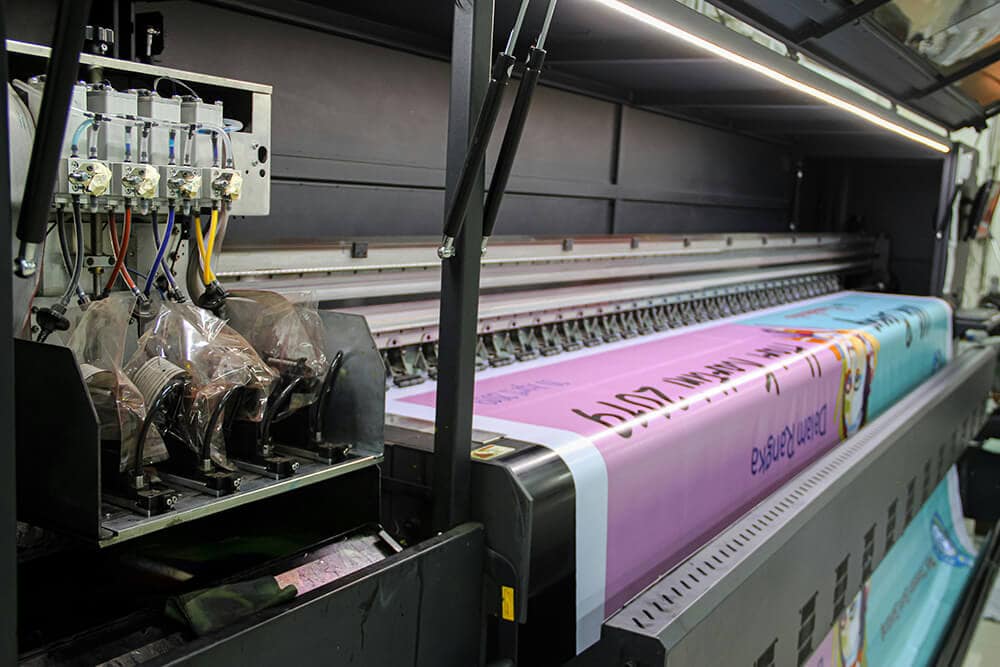
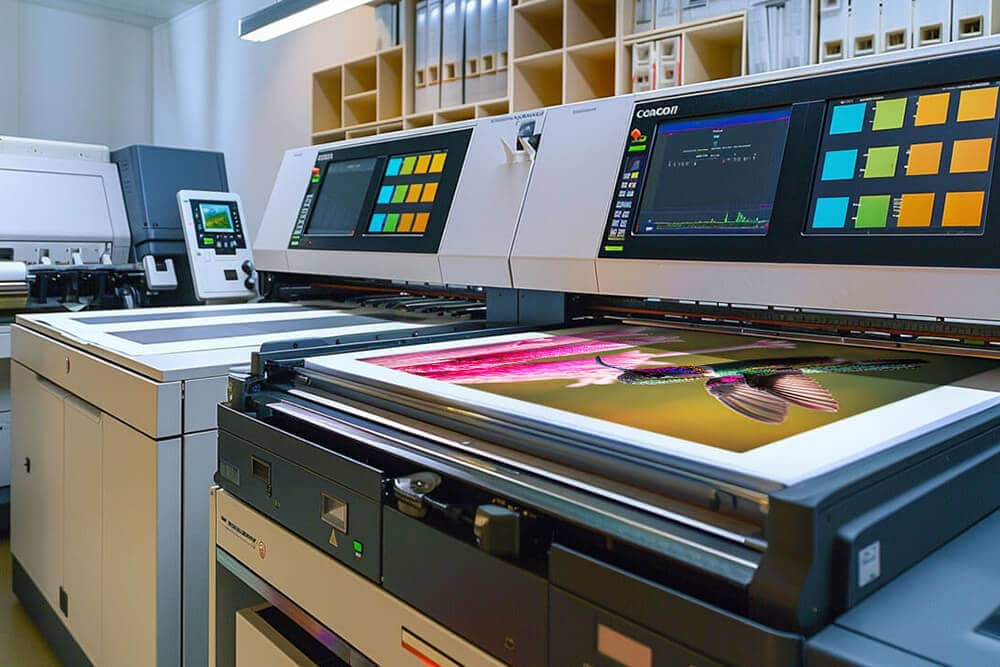
Digital printing works differently. Instead of creating plates, it prints directly from a digital file onto the packaging material.
This eliminates setup steps, resulting in faster turnaround times and lower initial costs for small-batch projects.
For cannabis brands producing prototypes or seasonal editions, digital printing offers speed and flexibility.
However, as the offset printing vs digital printing comparison shows, digital methods sometimes fall short in areas like color consistency, finish options, and cost-efficiency for bulk orders.
Offset Printing vs Digital Printing: Key Differences
When comparing offset printing vs digital printing, several factors matter: print quality, cost per unit, turnaround time, and customization potential.
Offset printing consistently delivers superior quality because it uses plates, precision rollers, and professional-grade inks.
It becomes more economical as the order volume increases, making it the best choice for cannabis brands with growing product lines.
Digital printing, on the other hand, provides flexibility for smaller runs or frequent design changes but can become expensive for large-scale projects.
Understanding the difference between offset and digital printing helps cannabis brands choose the right method for their timelines, budgets, and brand goals.
Advantages of Offset Printing for Cannabis Packaging
I often recommend offset printing for custom cannabis packaging because it offers unmatched image quality and consistency.
The use of 4 color offset printing ensures logos, compliance details, and product information appear sharp and vibrant on every package.
When brands collaborate with professional offset printing services, they gain access to advanced coatings, specialty finishes, and eco-friendly inks.
For large-scale orders, offset technology combines efficiency with premium aesthetics, creating a strong brand presence on dispensary shelves.
When Digital Printing Works Best
Digital printing excels in specific scenarios. It is ideal for short runs, product launches, or marketing campaigns that require rapid turnaround.
Personalization is another strength, as digital printing allows for variable data printing—such as unique QR codes or promotional designs—on each package without resetting equipment.
However, for bulk cannabis packaging projects that require durability and consistency, offset printing companies generally deliver better results.
Cost Considerations: Offset Printing vs Digital Printing
Cost efficiency is another critical factor. Offset printing has higher setup costs due to plate preparation and press calibration.
But once production starts, the per-unit cost decreases significantly for larger volumes.
This is why many offset printing companies recommend offset for scaling cannabis packaging operations.
Digital printing avoids setup costs, making it cheaper for small orders.
However, as the project size grows, offset printing services become more economical and provide higher quality at lower long-term costs.
Flexo Printing vs Offset Printing: A Brief Comparison
Some brands ask about flexo printing vs offset printing because flexographic printing also serves the packaging industry.
Flexo uses flexible relief plates and works well on corrugated boxes or simple designs.
However, for cannabis packaging that demands high-definition graphics, vibrant colors, and premium finishes, offset printing generally outperforms flexographic methods.
Choosing the Right Printing Method for Cannabis Packaging
When advising cannabis brands, I evaluate project budgets, design complexity, and production timelines.
For high-end cannabis packaging requiring bulk production, offset printing services consistently deliver superior quality and cost savings.
For short runs, rapid prototyping, or customized campaigns, digital printing provides flexibility.
Consulting with an experienced offset printing company helps brands align printing strategies with quality, compliance, and branding goals.
Conclusion
Both printing methods have value, but for premium cannabis packaging at scale, offset printing remains the preferred choice.
It combines high-quality results, cost-efficiency for large runs, and advanced finishing options that digital methods cannot always match.
By understanding the difference between offset and digital printing, cannabis brands can make informed decisions based on their unique requirements.
For consistent quality, compliance, and long-term branding, professional offset printing services offer the expertise and technology to meet evolving market needs.